
Week (seven-day period)
A week is a unit of time of seven consecutive days used in most calendars. This article describes its structure, origin, cultural variations, names of days, and common uses in work and religious life.
Overview
A week is a recurring period of seven consecutive days that forms a common unit of civil, religious and business timekeeping. The seven-day grouping is used worldwide in calendars and daily life; most years contain about 52 weeks, with occasional calendar systems assigning a 53rd week. The basic idea—seven days in sequence—is widely recognized and is the basis for scheduling work, rest and religious observance. A concise definition and standard reference for the length appears in many calendar descriptions (seven days).
Image gallery
6 Images
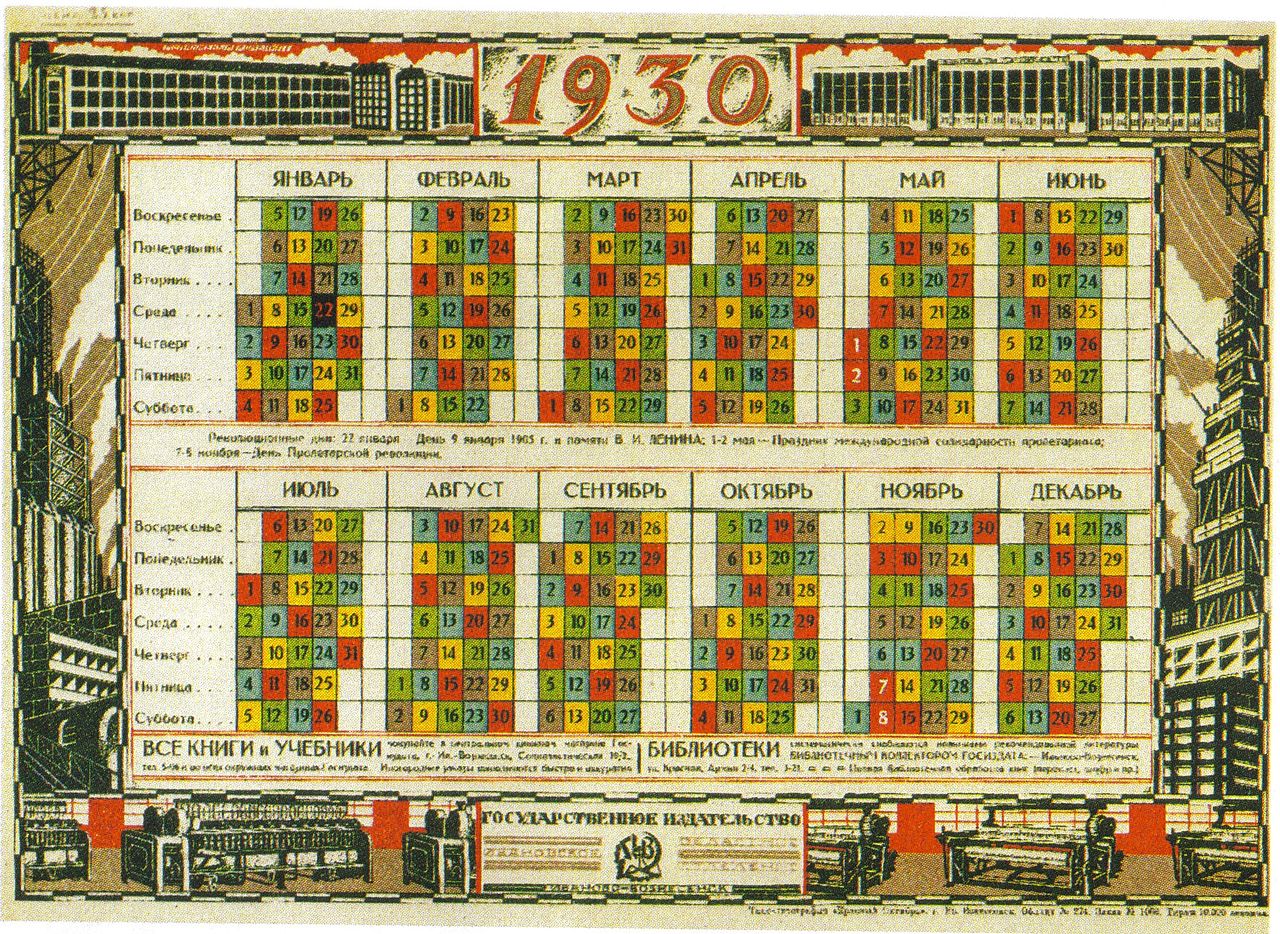


Structure and names
The modern sequence of days used in many languages and regions is Sunday, Monday, Tuesday, Wednesday, Thursday, Friday and Saturday. In English the names reflect a mix of ancient celestial names and Germanic adaptations of older deities: Sunday and Monday refer to the Sun and Moon, while Tuesday through Friday preserve names linked to gods from Germanic and Norse tradition; the connection is often discussed in studies of the English language and etymology. The weekday names are commonly associated with mythological figures and gods from northern Europe, particularly Norse mythology, with the notable exception of Saturday which preserves a Roman origin and is named after the god Saturn rather than a northern deity (Saturday).
History and origins
The seven-day week has ancient roots. Early influence came from Babylonian astronomy and Jewish religious practice, where a seven-day cycle and a weekly day of rest were well established. The Romans later incorporated a seven-day week alongside their eight-day market cycle, and through late antiquity and the Middle Ages the seven-day arrangement became dominant across Europe and regions influenced by European calendars. In the modern era standards such as ISO 8601 helped normalize whether a week is counted as starting on Monday or Sunday.
Cultural variation and uses
Different countries and organizations treat the week differently: laws or conventions can make Monday the start of the working week while other traditions begin the week on Sunday. The concept of the weekend—commonly Saturday and Sunday in many countries—is central to labor, education and leisure patterns (weekend). Religions assign particular significance to different days: for example, Friday is the main communal day of prayer in Islam, Saturday is the Sabbath in Judaism, and Sunday is observed as a day of worship in many Christian traditions (religious days).
Notable distinctions
- Calendar numbering: some systems number weeks (ISO week date) and occasionally include a 53rd week in a year.
- Start-of-week differences: practical schedules and software sometimes assume Monday-start or Sunday-start conventions.
- Work patterns: typical workweeks vary by country and industry; some use shorter or longer weekends and different workday arrangements.
The seven-day week remains a pervasive and practical rhythm for personal life, commerce and religious practice around the world, even as local customs and legal definitions create variation in how weeks are counted and observed.

Etymology
The word week is related to the words switch and change.

Author
AlegsaOnline.com Week (seven-day period) Leandro Alegsa
URL: https://en.alegsaonline.com/art/107116