
Lake Michigan: geography, history, ecology, and human uses
Lake Michigan is a large freshwater lake in North America, bordering four U.S. states. This article covers its physical features, history, ecology, uses, and notable facts.
Overview
Lake Michigan is one of the five Great Lakes Great Lakes in North America. Lying entirely within the United States, it ranks among the largest freshwater bodies on Earth with a surface area of roughly 22,300 square miles (area). Its long, roughly triangular basin and extensive shoreline have shaped transportation, settlement, and industry in the region for centuries.
Image gallery
10 Images


Physical characteristics
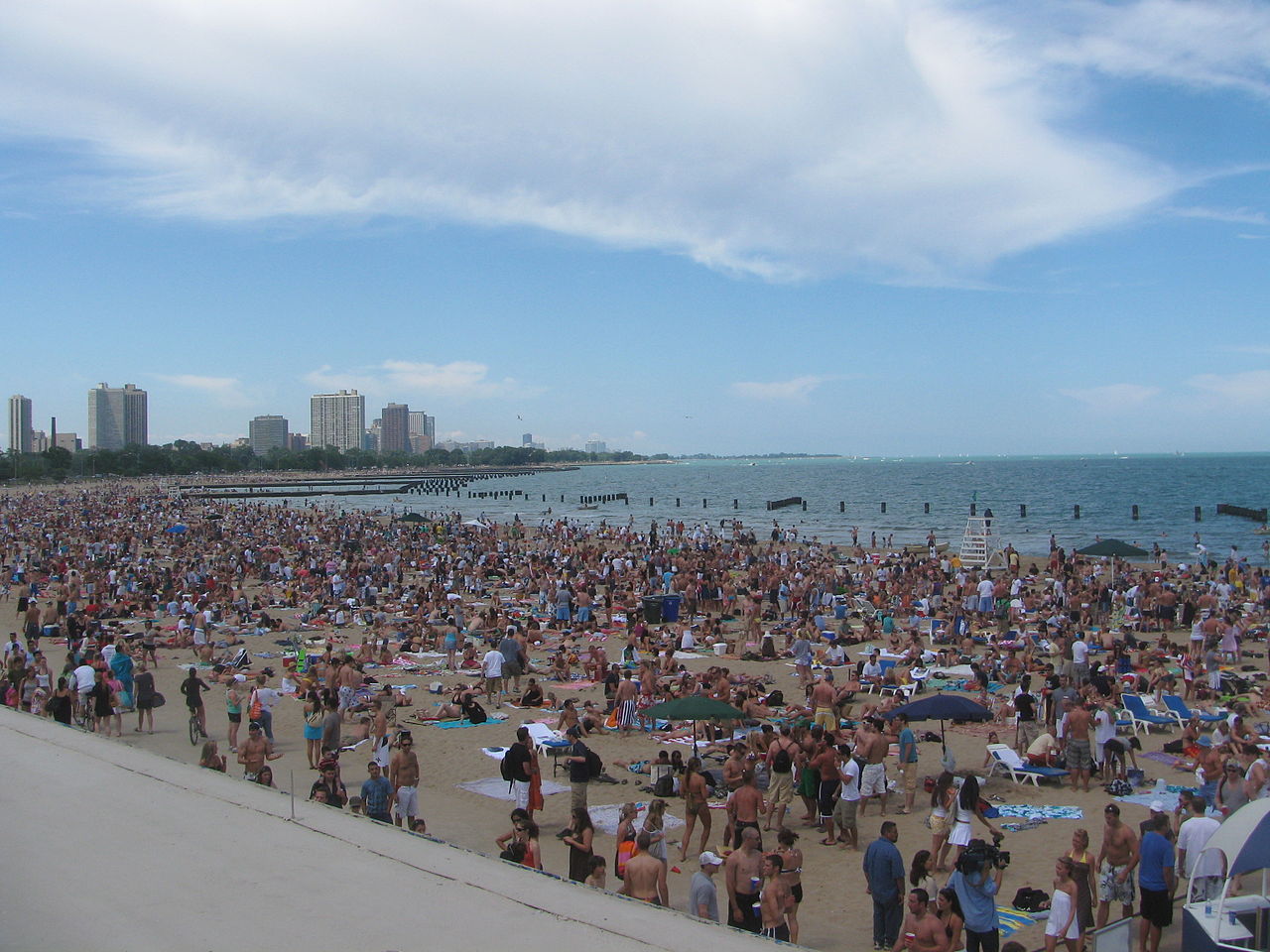
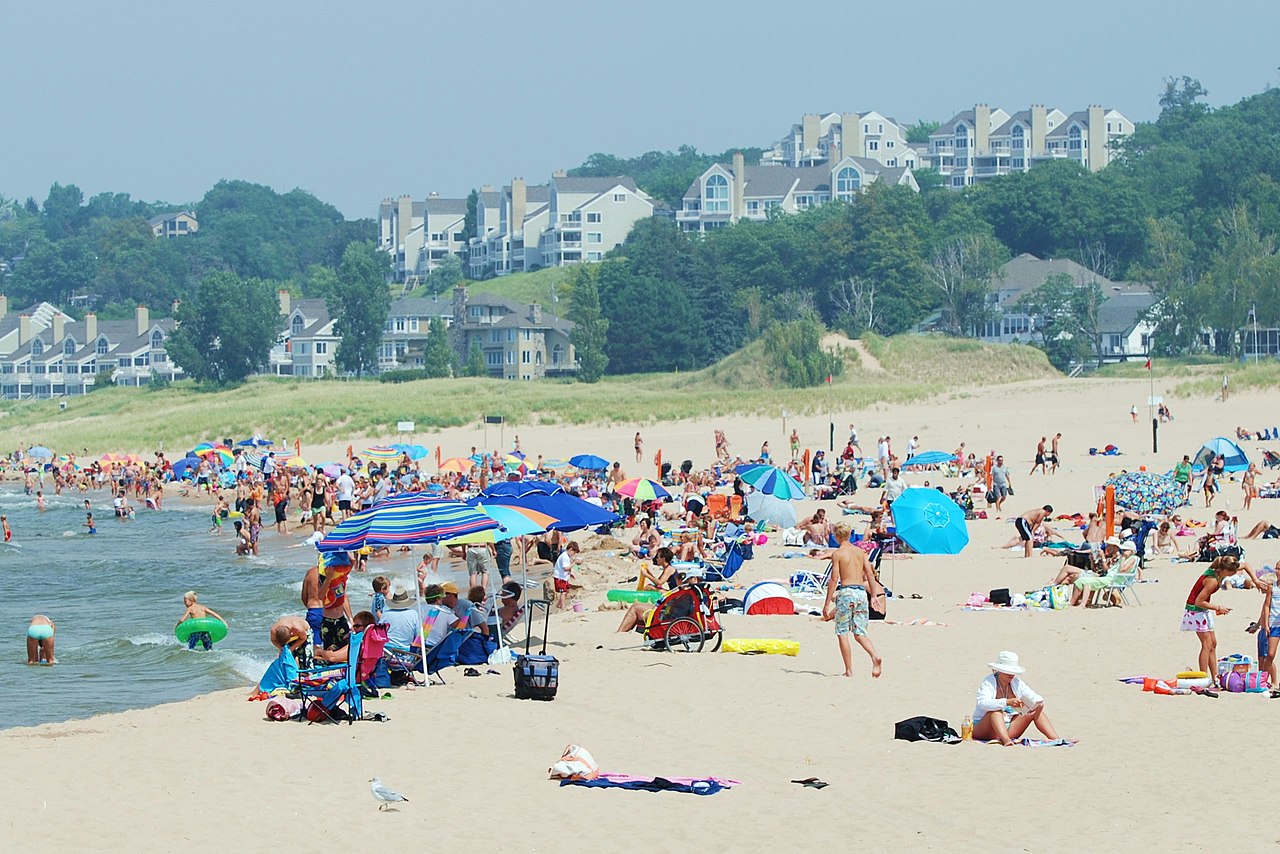
The lake measures several hundred miles across at its longest and widest points and contains deep basins with varied underwater topography. Its shoreline includes sandy beaches, dunes, bluffs, and urban harbors. Major inflows and outflows connect Lake Michigan hydrologically to the other Great Lakes, especially through the Straits of Mackinac and to Lake Huron, creating a shared lake system with distinctive water levels and currents.
Bordering states and cities
Lake Michigan is bordered by four U.S. states and by numerous cities and towns that rely on it for commerce and recreation. States that touch the lake include:
Among the major metropolitan centers on its shores is Chicago, and other important urban areas include parts of the Milwaukee region and a string of smaller communities that together support roughly twelve million people.
History and human presence
Indigenous peoples lived along Lake Michigan's shores long before European exploration; the lake’s name itself derives from an Ojibwa word often rendered as mishigami. The region's waterways later became routes for explorers, fur traders, and settlers, and during the 19th and 20th centuries the lake facilitated industrial shipping and urban growth. Early shore residents adapted to seasonal ice, storms, and shifting water levels while developing fisheries and harbor infrastructure.
Ecology, uses, and management
Lake Michigan supports diverse fish populations, wetlands, and coastal habitats that are important for migratory birds and native species. It supplies drinking water to millions, enables commercial shipping and recreational boating, and underpins tourism. Ongoing management addresses challenges such as invasive species, pollution, shoreline erosion, and the effects of changing climate on water temperature and levels.
Notable facts and scientific study
Unlike the other Great Lakes, Lake Michigan is the only one located entirely within the United States (not shared with Canada). Scientific explorations have examined its deepest basins and sediments; for example, researcher J. Val Klump reached deep parts of the lake during a submersible operation as part of a 1985 research expedition, and studies continue to use remote and manned vehicles to measure water quality and benthic environments. Efforts to protect and sustainably use the lake bring together federal, state, tribal, and local partners, researchers, and community groups.
Additional resources and regional information are available through state and federal agencies, local conservation organizations, and scientific publications. Topics for further reading include coastal dune restoration, commercial and recreational fisheries, and historic shipping on the Great Lakes (cultural studies). For practical information on navigation and public access, consult regional guides and municipal resources (ports and harbors) and local tourism pages (visitor information).
Notes: the lake’s geology and human history intersect in many places, from ancient shoreline features to industrial-era ports; continued stewardship aims to balance economic uses with ecological resilience and public enjoyment.
Related articles
Author
AlegsaOnline.com Lake Michigan: geography, history, ecology, and human uses Leandro Alegsa
URL: https://en.alegsaonline.com/art/55529
Sources
- great-lakes.net : "Lake Michigan"
- superiorwatersheds.org : "Superior Watershed Partnership Projects"
- loracsevents.com : "Variations In Sediment Accumulation Rates And The Flux Of Labile Organic Matter In Eastern Lake Superior Basins"