
Lake Onega: geography, history, and cultural significance
Lake Onega (Onego) in northwestern Russia is Europe's second-largest lake. This article summarizes its geography, islands, ecology, human use, and notable cultural sites including Kizhi Island.

Lake Onega (also Onego) is a large freshwater lake in northwestern Russia. In several regional languages it is known as Онежское озеро in Russian and as Ääninen or Äänisjärvi in Finnish. Onega is widely cited as the second-largest lake in Europe, after Lake Ladoga, and is a prominent feature of the Russian and Karelian landscape.
Image gallery
10 Images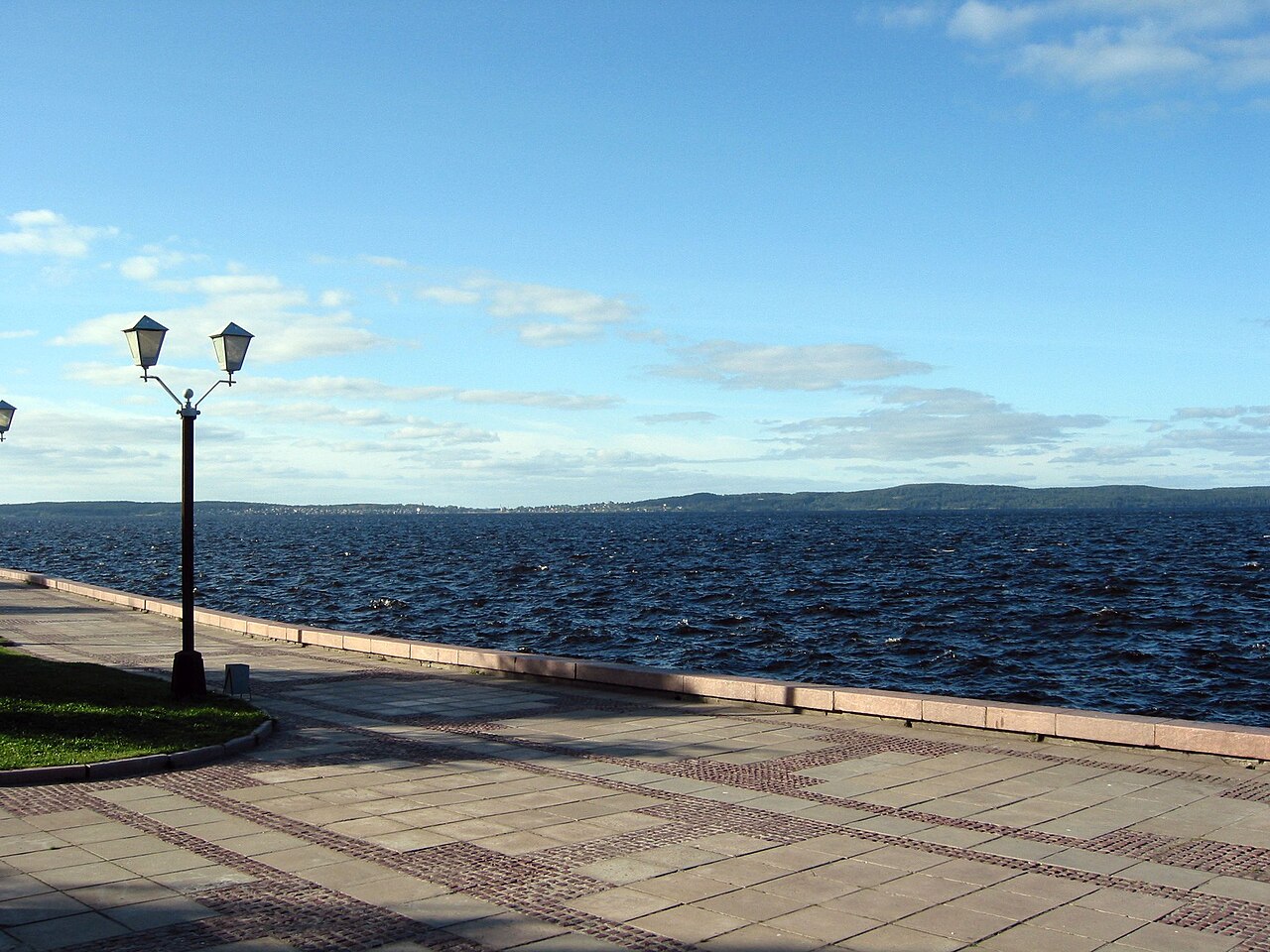





Overview and setting
Formed by glacial processes in the last Ice Age, Lake Onega occupies a broad basin surrounded by boreal forests, wetlands and rocky islands. It functions as an important regional reservoir of fresh water and supports a mosaic of habitats along its long, irregular shoreline. The name and many local place names reflect a mix of Russian, Finnic and indigenous languages.
Physical characteristics
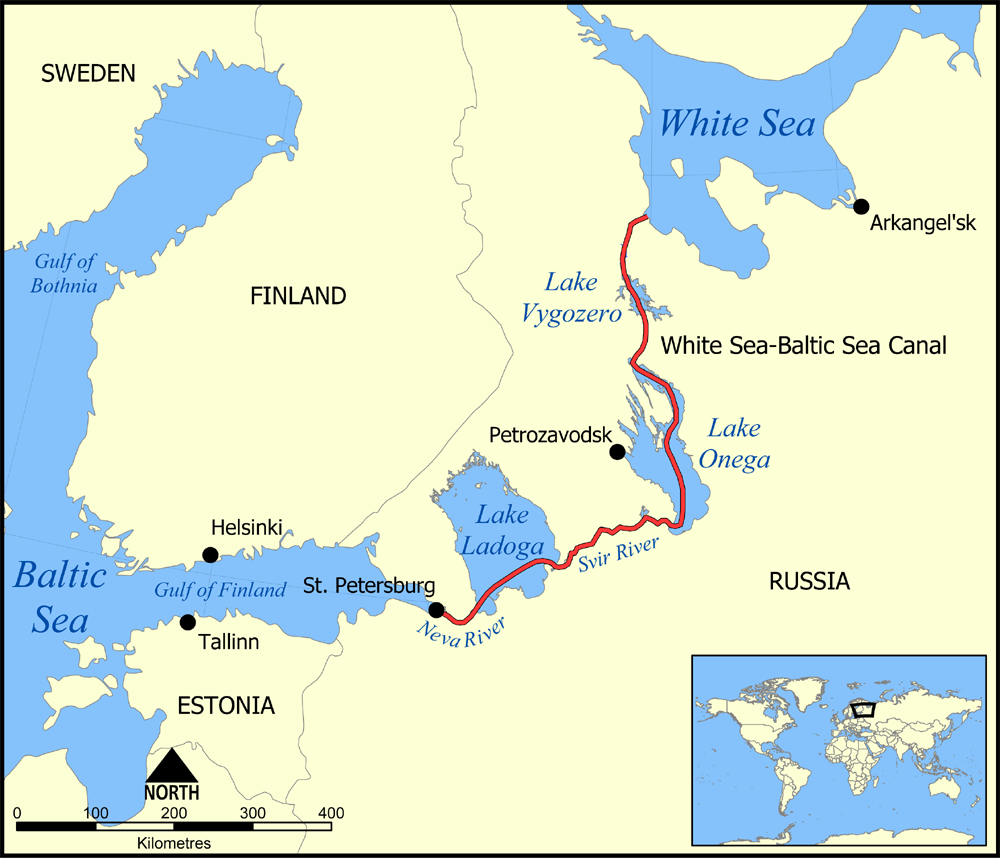
Onega is notable for its size, cold-water conditions and large number of islands. The lake receives inflows from several rivers and is linked to wider waterways and canals that connect interior Russia with the Baltic and White Sea basins. Its shoreline includes peninsulas, bays and shallow coastal shelves that influence navigation, fisheries and ice formation in winter.
Islands, towns and cultural sites
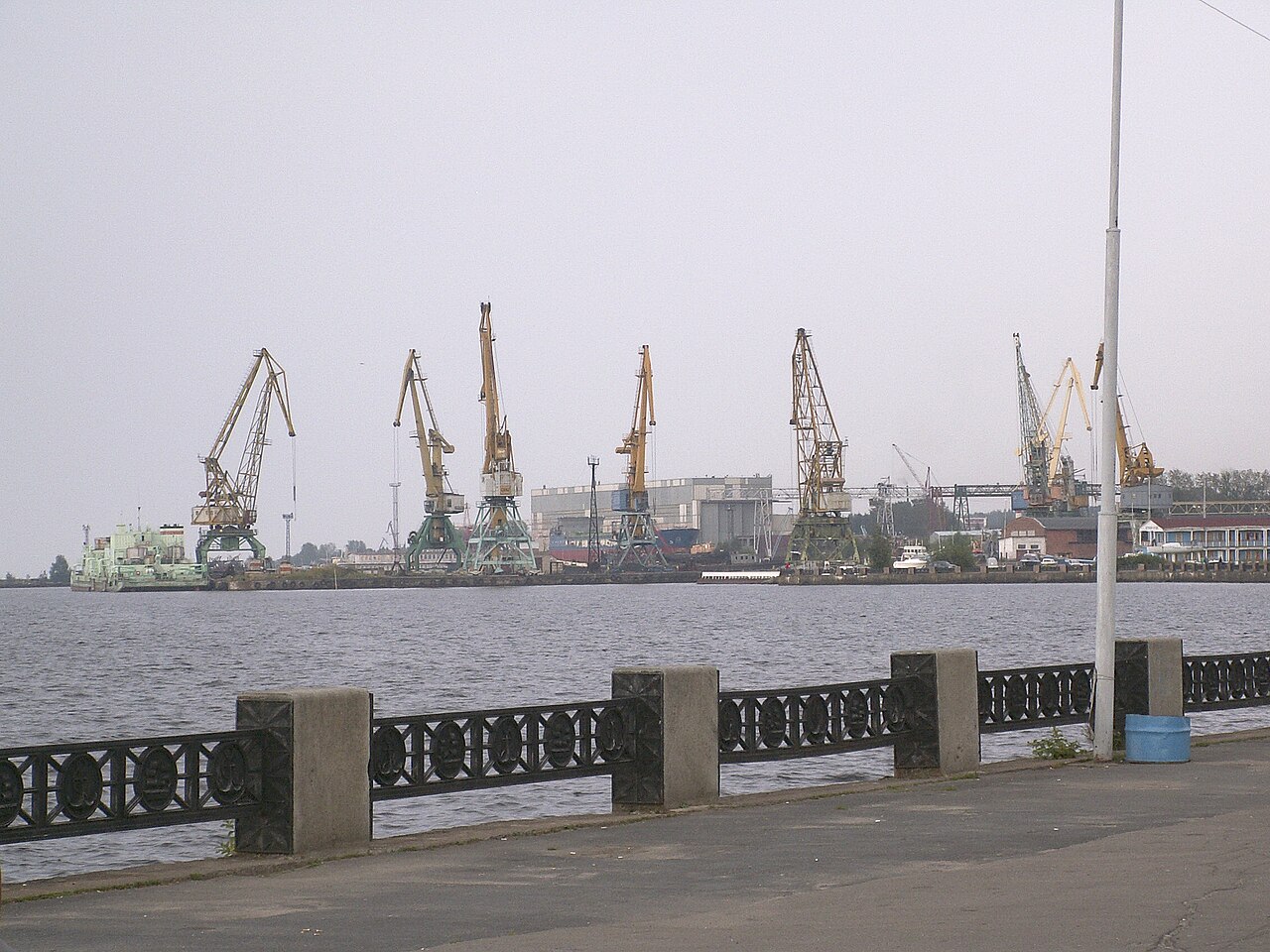
The lake contains many islands, some of which are culturally and historically important. The Kizhi island group (famous for the Kizhi Pogost and wooden church ensemble) is one of the better-known heritage sites. Towns such as Petrozavodsk and smaller settlements on the shores have long used the lake for transport, timber rafting and fishing. Visitors encounter historic wooden architecture, local museums and outdoor recreation opportunities.
Ecology and human uses
- Ecology: supports freshwater fish species, migratory birds and shoreline wetlands important for biodiversity.
- Economy: commercial and subsistence fisheries, timber transport, tourism and seasonal recreation.
- Infrastructure: connected by rivers and the White Sea–Baltic canal system to Russia's inland waterways; ice roads and ferries operate seasonally.
History and conservation
Human use of the lake dates back centuries, with trade routes, fishing communities and religious sites shaping its cultural landscape. Conservation efforts today try to balance economic activity with protection of sensitive habitats and historic monuments. Research and regional planning address water quality, invasive species and the effects of climate variability.
For names, maps and additional context about the lake and its role in regional geography, see regional language entries and descriptive materials: local lake descriptions, historical summaries and tourism guides.
Related articles
Author
AlegsaOnline.com Lake Onega: geography, history, and cultural significance Leandro Alegsa
URL: https://en.alegsaonline.com/art/55540