
Lake Neuchâtel: Switzerland’s largest entirely domestic lake
Freshwater lake in western Switzerland spanning several cantons; known for recreation, viticulture, watchmaking towns, and natural habitats shaped by glacial history.
Overview
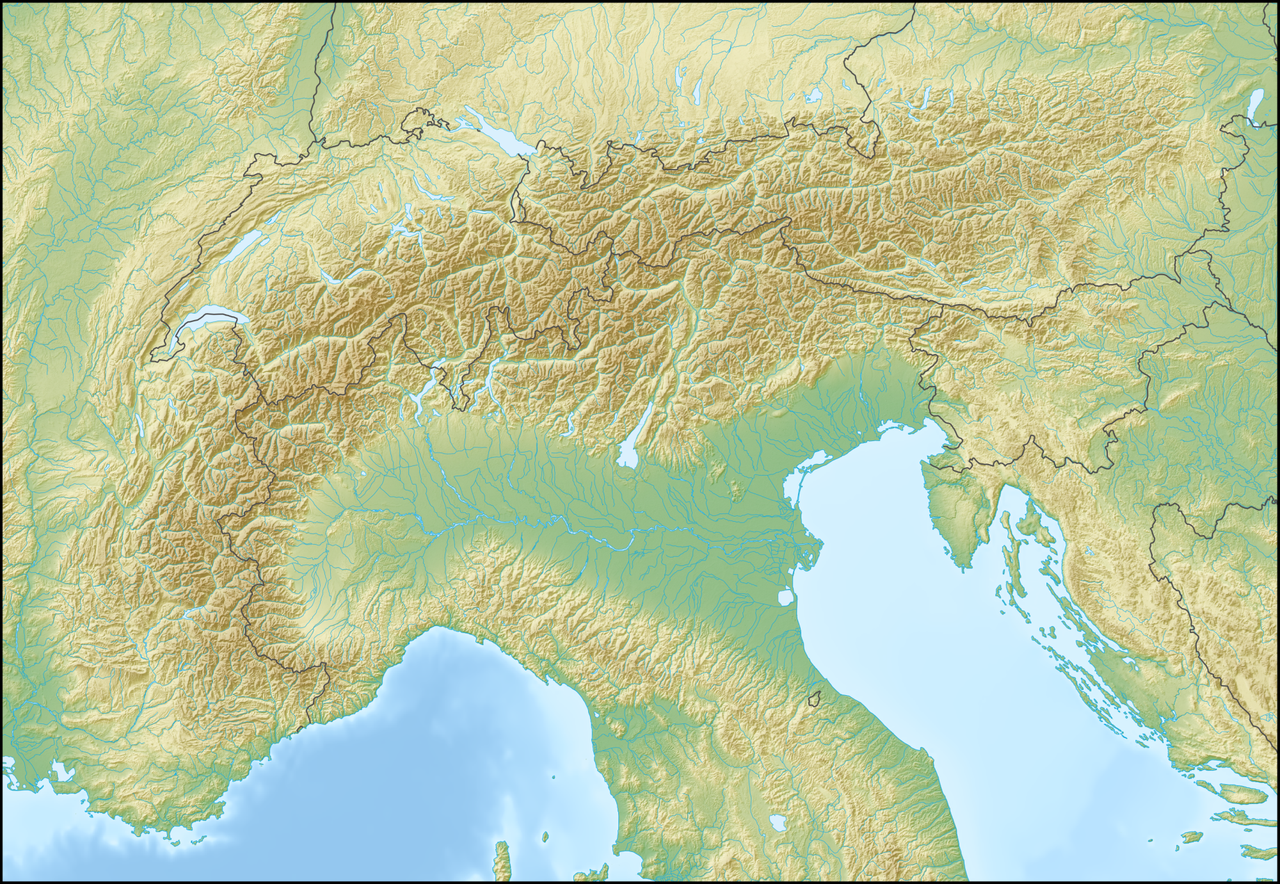
Lake Neuchâtel (French: Lac de Neuchâtel; German: Neuenburgersee) lies in western Switzerland and is the largest lake located wholly within the country. It straddles the borders of several cantons, with most of its shoreline in the canton of Neuchâtel and portions touching Vaud, Fribourg and Berne. The lake’s open water and extensive littoral zones support a mix of urban settlements, agricultural land and natural areas used for tourism and recreation.
Image gallery
7 Images



Geography and characteristics
Lake Neuchâtel occupies a lowland basin shaped largely by glacial action during the last Ice Age and is fed by a variety of small rivers and streams. Its shoreline includes sandy beaches, reed beds and cultivated slopes where vineyards are common; the region produces mainly white wines. Several towns and smaller communities ring the lake, including the city of Neuchâtel, which has a long association with watchmaking and textile crafts such as printed tapestries known historically as Indiennes.
History and human use
The basin around the lake has evidence of human activity stretching back to prehistoric lake-dwelling communities. Throughout the medieval and modern periods, towns on the lake developed trade, agriculture and specialized industries. In the 18th and 19th centuries the area became important for precision industries, notably watchmaking, which remains part of the local economy alongside viticulture and tourism.
Ecology, recreation and economy
The lake supports recreational boating, swimming and shoreline promenades, and its wetlands are valuable for birdlife and fisheries. Local economies combine tourism services, small-scale agriculture and vineyards, and urban industries. Conservation measures protect reed beds and migratory bird habitats while balancing pressure from leisure activities and shoreline development.
Notable distinctions and context
- Largest lake entirely within Switzerland; other larger lakes have significant portions shared with neighboring countries (comparison).
- Serves as a regional focus for cantonal cooperation and recreational planning (regional planning).
- Local cultural traditions include watchmaking and textile arts tied to the city of Neuchâtel and surrounding towns (watch industry, textiles).
- Viticulture along the lake produces mainly white wines marketed locally and regionally (wine production).
- Administrative and visitor information is coordinated by cantonal authorities and local tourist offices (French-speaking, German-speaking resources).
For visitors and researchers the lake offers a compact case of cultural landscapes, wetland ecology and small-scale industry set within Switzerland’s Jura and plateau region. Practical information about access, trails, protected sites and events is available from local cantonal sources and municipal tourist services (regional, cantonal, Neuchâtel, Vaud, Fribourg, maps).
Related articles
Author
AlegsaOnline.com Lake Neuchâtel: Switzerland’s largest entirely domestic lake Leandro Alegsa
URL: https://en.alegsaonline.com/art/55535