
Milwaukee: Lakefront City of Industry, Culture, and History
Overview of Milwaukee, Wisconsin: geography, history, economy, culture and notable facts about the lakefront city and county seat on Lake Michigan.
Overview: Milwaukee is the largest city in the U.S. state of Wisconsin and an important Great Lakes port on the southwestern shore of Lake Michigan. Located roughly ninety miles north of Chicago, it serves as the county seat of Milwaukee County and extends into portions of neighboring jurisdictions including parts of Washington County. The city has a long history as an industrial and commercial hub and today is home to roughly six hundred thousand people in its municipal boundaries, with a larger metropolitan population in the surrounding region.
Image gallery
10 Images


Geography and urban character
Milwaukee’s position on Lake Michigan shaped its development: harbors, shipping terminals, and lakeshore neighborhoods define much of the city’s physical layout. Downtown sits near the Milwaukee River mouth and is ringed by older industrial districts, residential neighborhoods, parks, and cultural institutions. The city contains a mixture of historic commercial corridors, dense urban neighborhoods, and waterfront redevelopment projects.
History and name
The place now called Milwaukee was long occupied by Native American peoples. The city’s name is commonly traced to an Algonquian word—often rendered as "millioke"—and has been interpreted as meaning a gathering place by the water or the good land. European-American settlement expanded in the 19th century, with waves of immigrants contributing to growth; brewing, meatpacking, and manufacturing became dominant industries through much of the 19th and 20th centuries.
Economy, institutions, and culture
Historically associated with brewing and heavy industry, Milwaukee diversified into services, healthcare, education, and technology in recent decades. Well-known institutions include museums, performing-arts venues, and annual events such as music and cultural festivals that draw regional audiences. Notable museums and collections celebrate art, design, and industrial heritage, and there are attractions tied to local companies and crafts.
Government and civic life
The city is governed by a mayor and common council; Cavalier Johnson has served as mayor since 2021. Milwaukee also functions as the seat of county government for Milwaukee County, which coordinates many regional services. Civic priorities frequently focus on economic development, lakefront access, transportation, and affordable housing.
Distinctive facts and visitors’ highlights
- Milwaukee is known for its lakefront parks, a strong festival tradition, and a legacy of breweries and manufacturing.
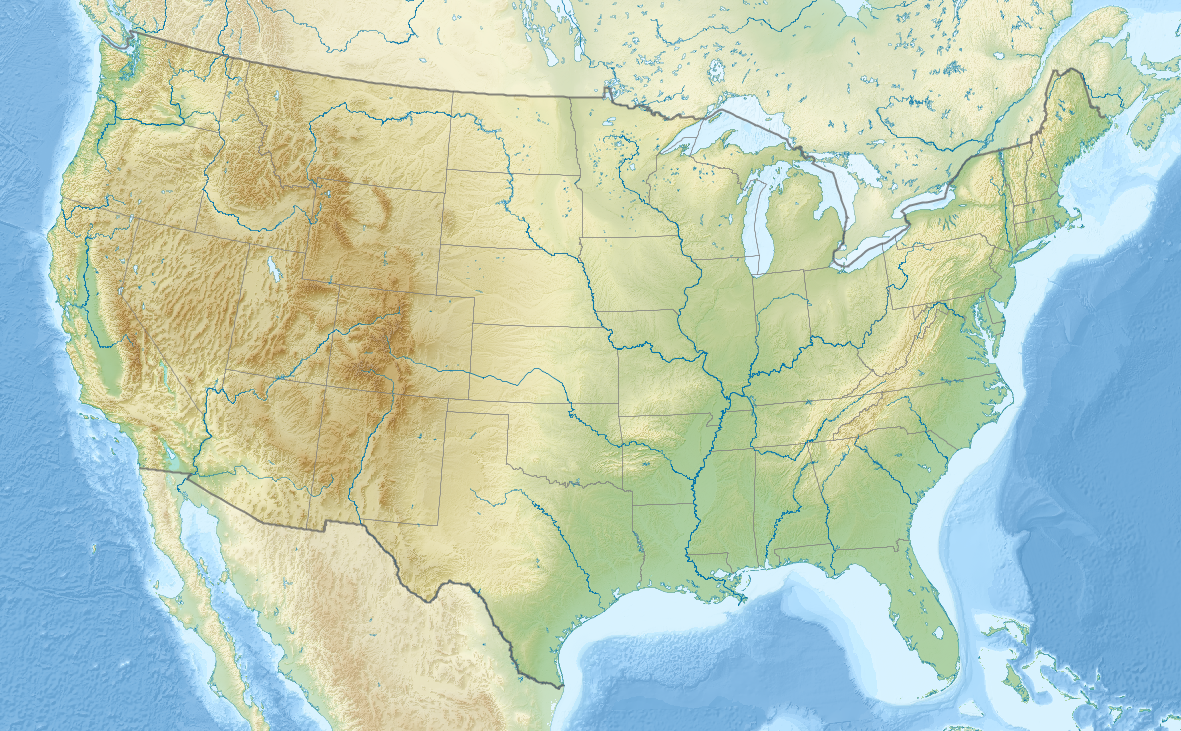
- Its location about ninety miles north of Chicago gives it regional importance as a Midwestern center for commerce and culture; see general information about the United States context for population ranking and urban networks.
- Parts of the metropolitan area extend into neighboring counties and Washington County has areas sometimes associated with the broader city region.
For more local details, historical timelines, and visitor information, consult municipal resources and regional guides: city government pages and county records remain the best sources for up-to-date statistics and civic announcements (state, county, and municipal portals).
Related articles
Author
AlegsaOnline.com Milwaukee: Lakefront City of Industry, Culture, and History Leandro Alegsa
URL: https://en.alegsaonline.com/art/65110
Sources
- jsonline.com : "Milwaukee sees small surge in population - JSOnline"
- e-referencedesk.com : "Milwaukee County, Wisconsin: History and Information"