
Lake Ontario: Geography, Natural Features, and Human Significance
Lake Ontario is the easternmost Great Lake, bordering Canada and the United States. This article covers its physical characteristics, drainage, ecology, history, and role in transportation and population centers.
Overview
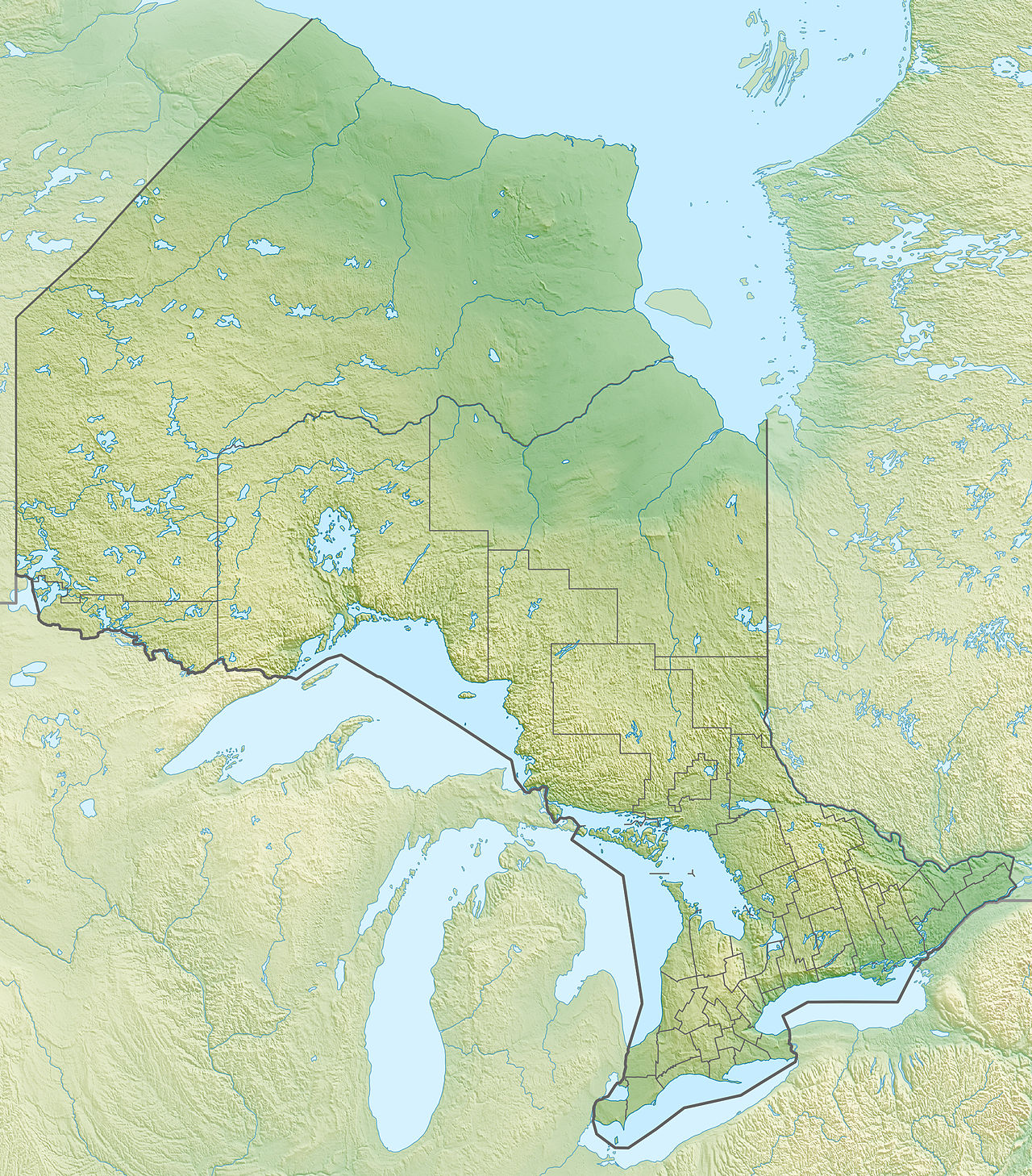
Lake Ontario is the smallest by surface area of the five Great Lakes, yet it reaches substantial depths and plays a central role in the region where North America meets major waterways. It forms much of the international boundary between the province of Ontario and the U.S. state of New York, and it serves as the receiving basin for water that flows from the upper Great Lakes before leaving the system via the Saint Lawrence River.
Image gallery
10 Images




Physical characteristics and hydrology
Despite being the smallest Great Lake by area, Lake Ontario is comparatively deep and has a complex shoreline with bays, inlets, islands, and urbanized waterfronts. Its principal inflow is the Niagara River, which brings water from Lake Erie and passes over Niagara Falls. The lake drains northeast into the St. Lawrence, creating a vital link between the interior basins and the Atlantic Ocean. Lake Ontario does not touch the U.S. state of Michigan, making it unique among the Great Lakes.
Ecology and environment
The lake supports diverse freshwater ecosystems including plankton communities, fish species, wetland habitats, and migratory bird stopovers. Fisheries have been important historically and today, though they have faced pressures from invasive species, pollution, and habitat alteration. Efforts by Canadian and American agencies aim to monitor water quality, manage shoreline development, and restore wetlands.
Human settlement, use, and economy
Nearly nine million people live in the lake's watershed, concentrated around urban centers on both shores. The lake's shoreline hosts ports, industrial zones, recreational marinas, and municipal water supplies. Historically and presently, navigation on Lake Ontario and the connected St. Lawrence corridor has been essential for transporting goods between inland North America and global markets.
History and cultural significance
Indigenous peoples inhabited the Lake Ontario basin for millennia and used its resources for food, transport, and cultural practices. European exploration and settlement transformed the region: the lake became a strategic frontier during colonial conflicts and later supported trade and industry as towns and cities grew along its coasts in both Canada and the United States.
Notable facts and distinctions
- Deepest points: Lake Ontario's maximum depth exceeds several other Great Lakes despite its smaller surface area.
- Border role: It marks much of the boundary between Ontario and New York and is the only Great Lake not bordering Michigan.
- Waterway links: Inflow from the Niagara River and outflow to the Saint Lawrence connect it to the wider Great Lakes–St. Lawrence system.
For further reading on the broader lake system and regional geography consult resources that survey the Great Lakes, North American waterways, and provincial and state conservation programs (continent overview, Ontario, New York, Canada). Additional technical and historical materials are available through archives and environmental agencies that manage cross-border watershed issues.
Related articles
Author
AlegsaOnline.com Lake Ontario: Geography, Natural Features, and Human Significance Leandro Alegsa
URL: https://en.alegsaonline.com/art/55541