
Submarine
A submarine is a watercraft designed to operate underwater for military, scientific or commercial tasks; this article outlines types, design principles, history, and principal uses.
Overview
A submarine is a specialized vessel capable of operating beneath the surface of the water. Unlike surface ships, submarines are built to submerge and navigate underwater for sustained periods. The term covers a wide range of craft from small, short-range submersibles to large, ocean-going boats used by navies. For a general definition see vessel and for basic information about underwater operation consult underwater references.
Image gallery
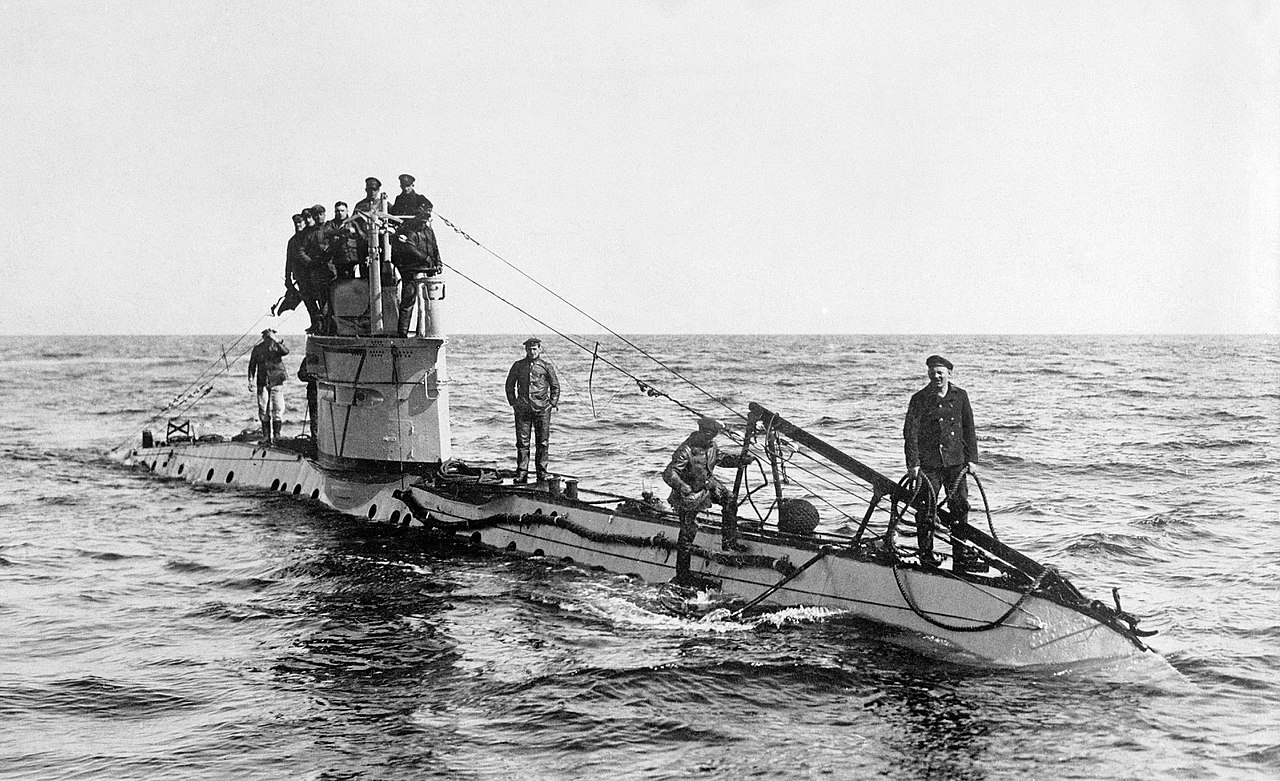
10 Images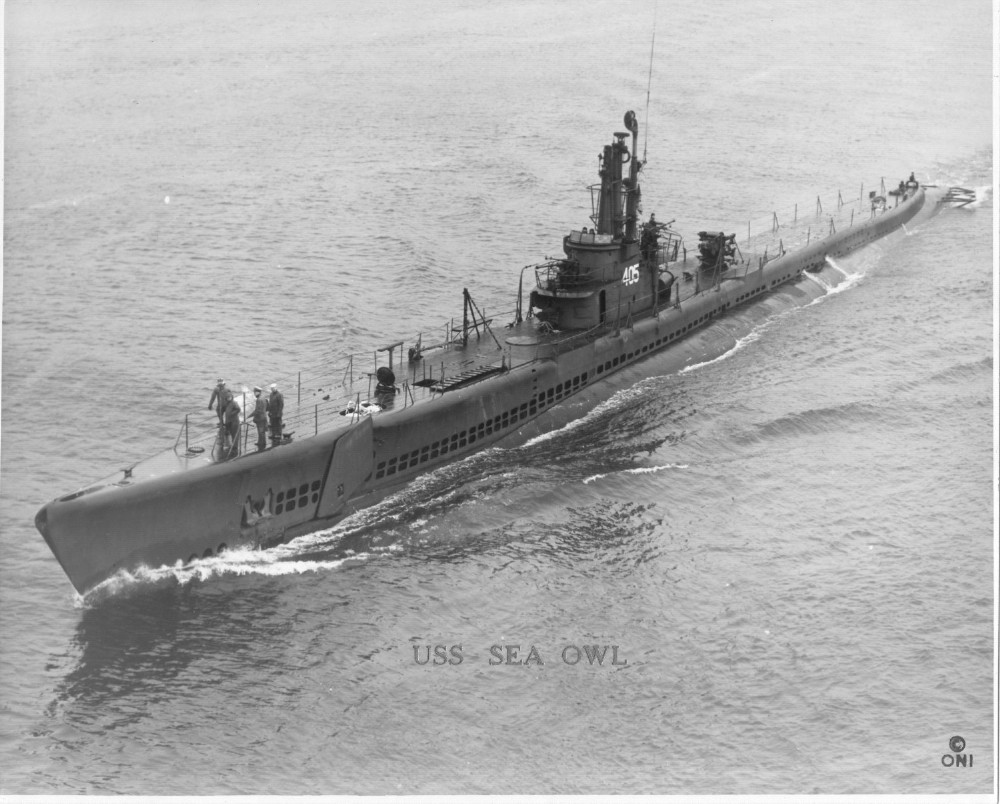




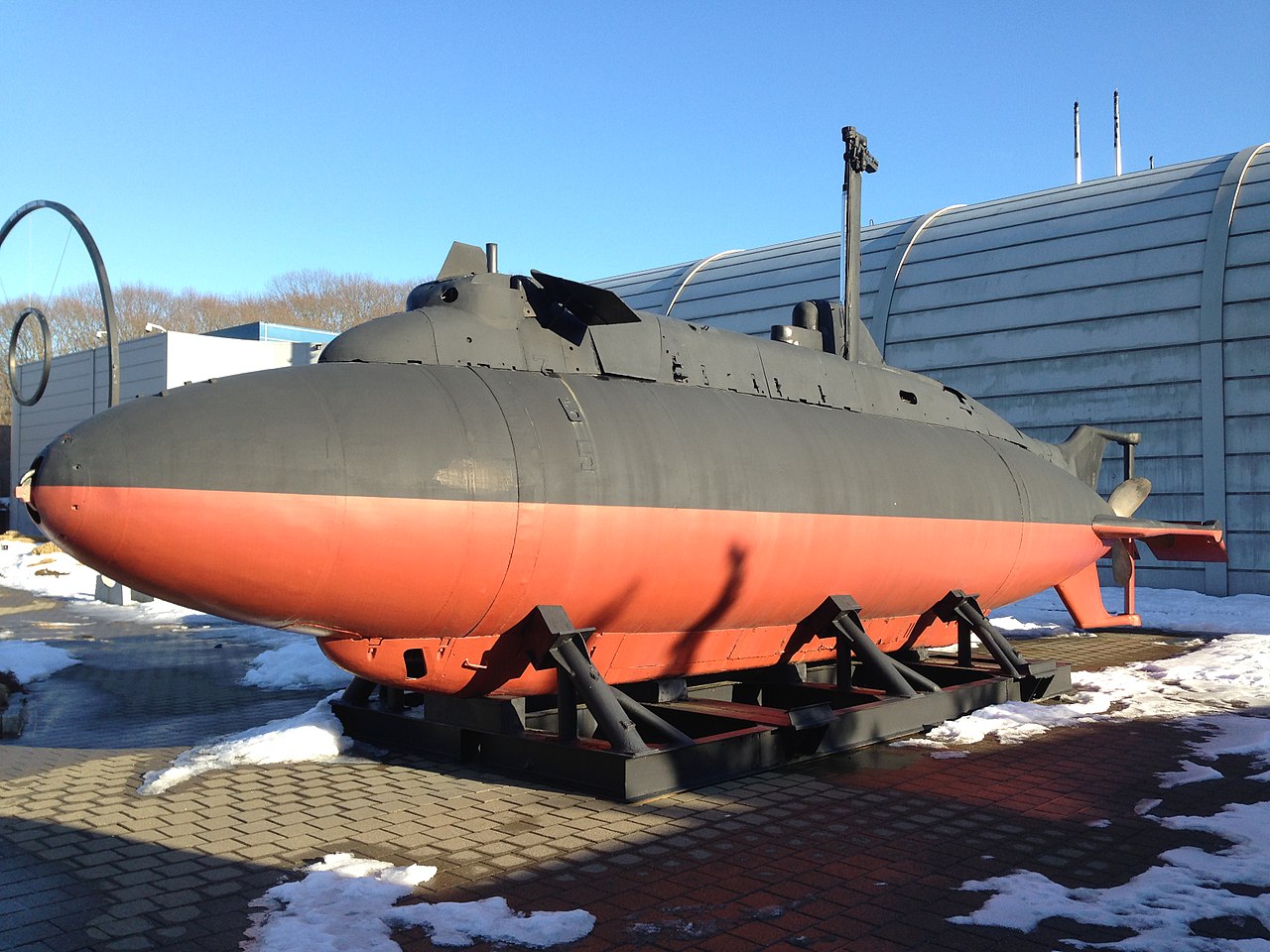


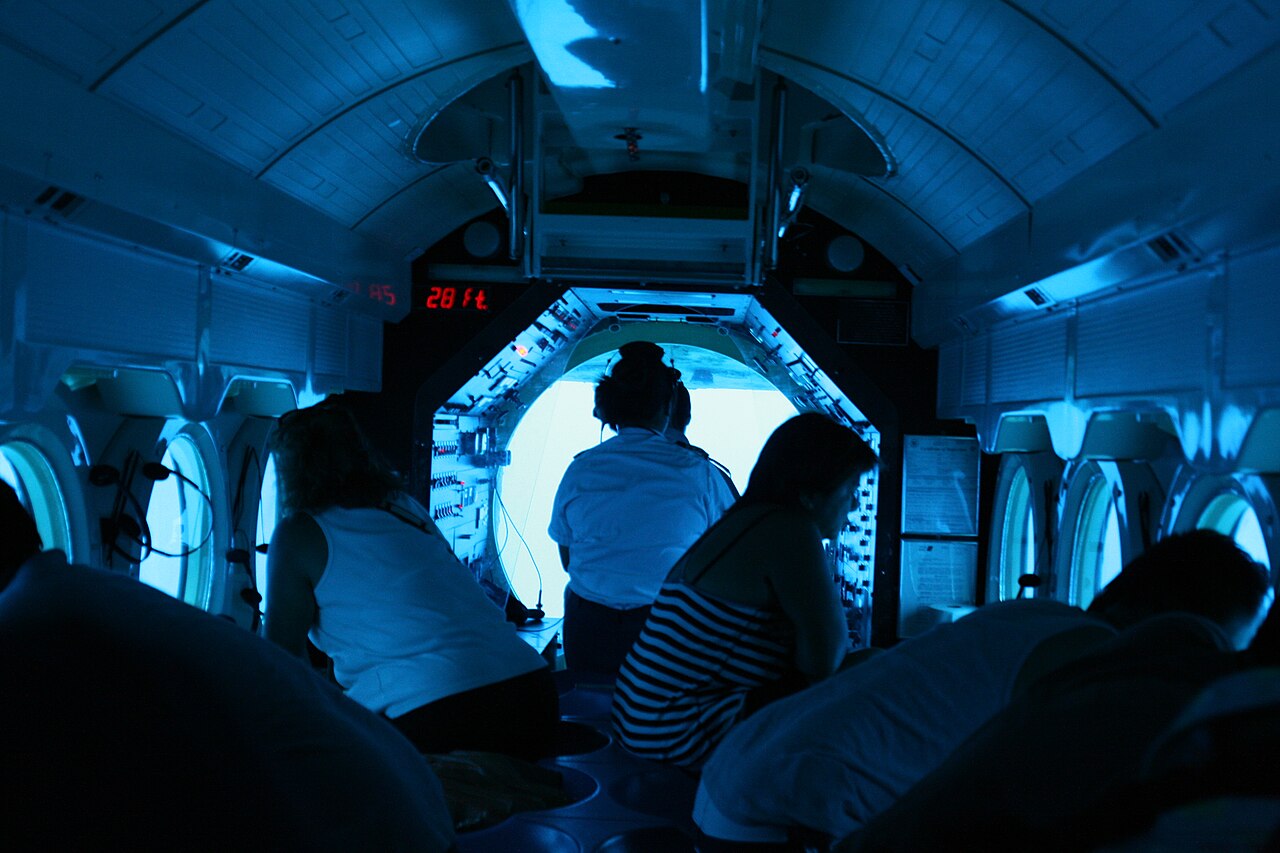
Design and main components
Typical submarines have a pressure hull that resists sea pressure, ballast tanks that control buoyancy, propulsion systems (diesel-electric, nuclear, or battery-driven), and navigation and life-support equipment. Many carry specialized sensors such as sonar and periscopes. The ability to control depth and trim distinguishes a submarine from small manned submersibles that can only make brief, shallow dives. Large military units are often described as war vessels equipped for long patrols and combat.
Types and common uses
Submersibles designed for short missions are widely used in research, offshore industry, and tourism; these are sometimes owned by companies or research institutions. Scientific work and deep-sea study often rely on small craft and remotely operated vehicles; see topics about scientific exploration and business applications. Private individuals may purchase personal submersibles to explore coastal waters and wrecks or to support underwater filming and recreation sea projects.
History and development
Concepts for underwater boats date back centuries but practical submarines appeared in the 18th and 19th centuries; propulsion and life-support advances in the 20th century enabled much longer submerged endurance. Nuclear propulsion, introduced mid-20th century, transformed strategic and tactical use by allowing extended submerged operations without surfacing.
Notable distinctions and facts
- Classification: naval tradition treats many submarines as boats rather than ships; see the term boat and why it differs from a ship.
- Operational roles: reconnaissance, anti-ship warfare, strategic deterrence, scientific research, salvage, and cable inspection.
- Limitations: crew habitability, battery or fuel supply, pressure limits, and maintenance needs constrain mission length for non-nuclear craft.
Submarines remain important in modern navies and civilian marine activity because of their unique ability to operate covertly or reach depths inaccessible to surface vessels. Advances in materials, quieting technology, and unmanned systems continue to expand what underwater craft can do.
Questions and answers
Q: What is a submarine?
A: A submarine is a vessel that goes underwater.
Q: What are most large submarines used for?
A: Most large submarines are used as war vessels.
Q: What are small submarines used for?
A: Small submarines are often used for scientific or business purposes.
Q: What are small submarines commonly called?
A: Small submarines are commonly called "submersibles".
Q: Can small submarines go far or stay long away from base?
A: No, small submarines cannot go far or stay long away from base.
Q: Are submarines considered boats or ships?
A: Submarines are considered boats, not ships.
Q: Why do some people buy their own submarines?
A: Some people buy their own submarines to explore under the sea.
Related articles
Author
AlegsaOnline.com Submarine Leandro Alegsa
URL: https://en.alegsaonline.com/art/94495