
Karnataka: Geography, history, culture and economy
Karnataka is a large state in southwestern India with varied landscapes, an ancient history, the Kannada language and culture, a modern technology economy centered on Bengaluru, and many heritage and natural sites.
Overview
Karnataka is a state in the Republic of India occupying a substantial portion of the country’s southwestern peninsula. It covers about 191,980 km² and in comparative terms is larger than Syria but smaller than Senegal. Located within the conventional Indian Southern zone, Karnataka comprises 31 administrative districts. According to the 2011 census the population was roughly 61 million; demographic and economic change since then has continued, driven by urbanisation and growth in services.
Image gallery
10 Images





Geography and climate
The state stretches from the Arabian Sea coast in the west to the Deccan interior in the east. To the west it meets the Arabian Sea, and the Western Ghats run north–south close to the coast, forming one of the most biodiverse and rain-rich mountain chains in peninsular India. Much of central Karnataka lies on the Deccan Plateau; the eastern fringe includes small ranges that are part of the Eastern Ghats. Karnataka is bordered by Goa, Maharashtra, Telangana, Andhra Pradesh, Tamil Nadu and Kerala. Major rivers such as the Kaveri (Cauvery), Krishna and Tungabhadra feed irrigation systems; rainfall varies greatly between the windward Ghats and the drier interior.
Biodiversity and natural resources
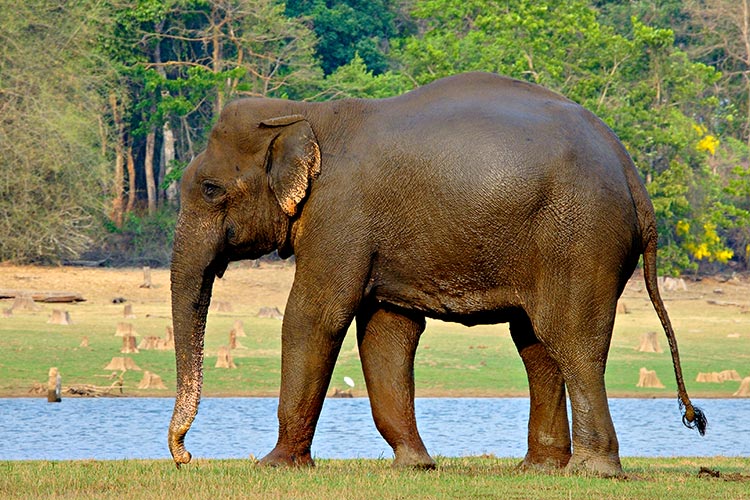
The Western Ghats portion of Karnataka contains tropical evergreen and semi-evergreen forests, home to endemic flora and fauna and many protected areas. The state’s varied environments support agriculture (coffee, spices, paddy, sugarcane and ragi), plantation crops and forest products; important mineral deposits and coastal fisheries also contribute to the economy. Conservation of forests and water resources is a continuing policy priority because of pressures from development.
History
The historical record for the region stretches back to at least the 3rd century BCE, with archaeological and epigraphic evidence of early kingdoms and trade links. Medieval and early modern history is marked by powerful indigenous dynasties, notably the Chalukyas, Hoysalas and the Vijayanagara empire, which left extensive architectural and literary legacies. Later centuries brought contact and contest with northern powers and coastal European traders; the region was integrated into the British colonial administration in the 18th and 19th centuries and became a state of the Republic of India after independence.
Language, literature and culture
Kannada is the official language of Karnataka and has a long and continuous literary tradition that is recognised nationally. Other languages spoken across the state include Telugu, Tamil, Marathi, Hindi and Malayalam, reflecting historic borderlands and migration. Kannada literature has earned national honours, and the state’s cultural life includes classical music, dance, distinctive temple architecture, folk traditions and festivals tied to seasonal cycles.
Economy, education and technology
Karnataka’s economy blends agriculture, manufacturing and a large services sector. Hill and plateau districts produce coffee, spices and silk while coastal districts support ports and fisheries. Since the late 20th century, Bengaluru (Bangalore) has grown into a leading information technology and research hub often described as India’s IT capital, with a dense cluster of software companies, startups and research institutes including premier technical and scientific institutions. The state also hosts manufacturing in aerospace, automobiles and heavy engineering, and has expanding biotechnology and tourism sectors.
Major cities and tourism
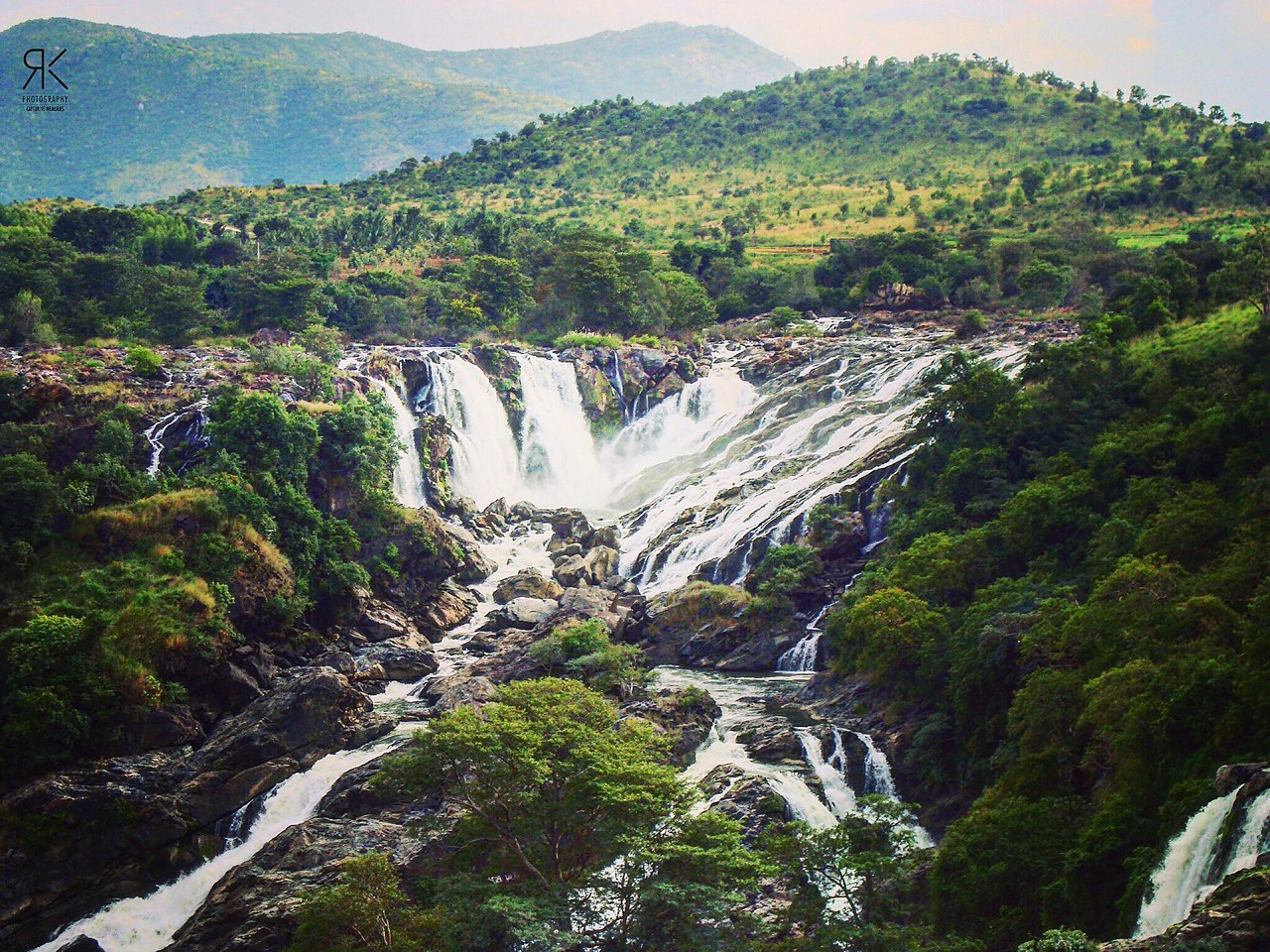
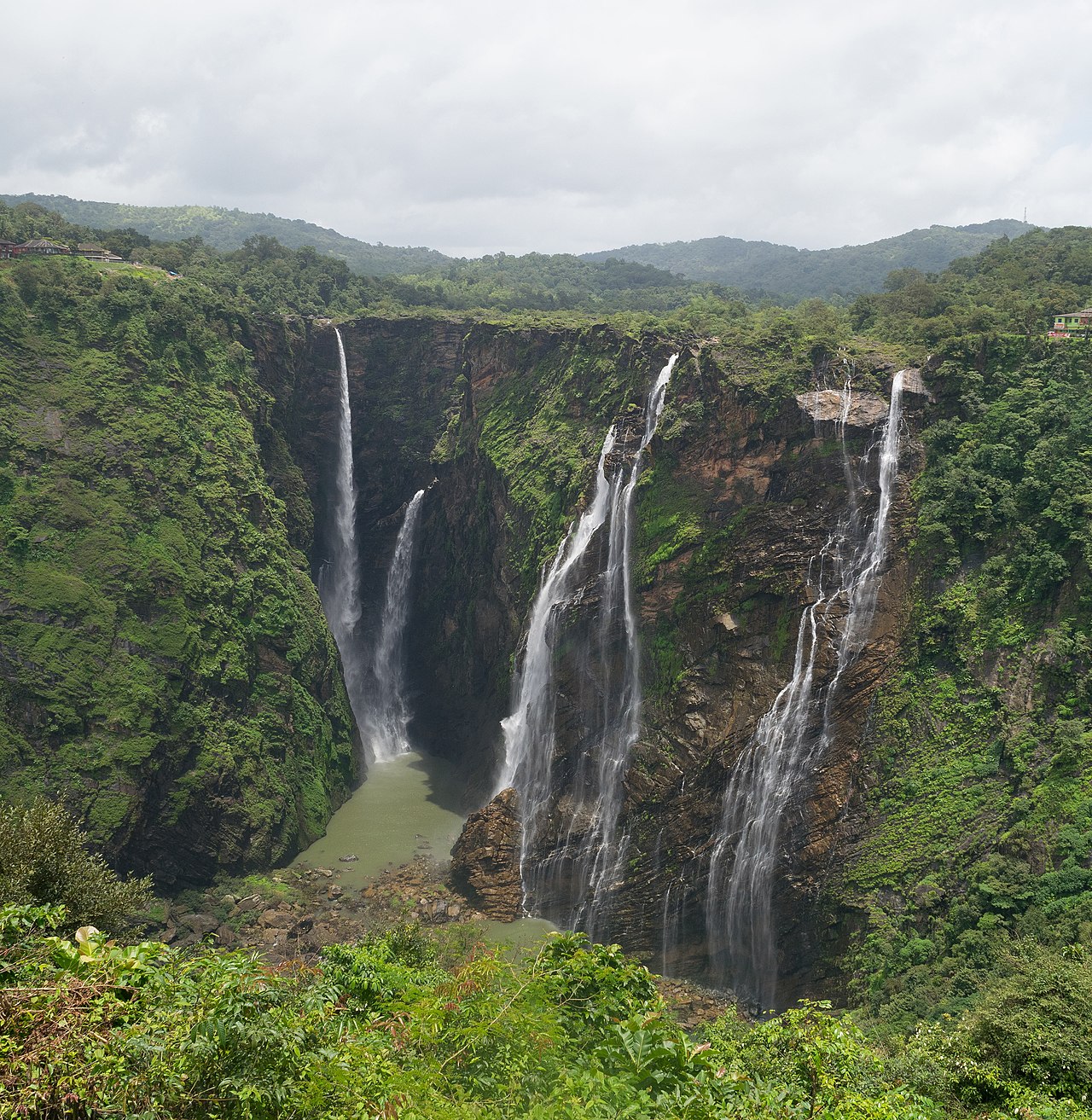
The state capital Bengaluru (also spelled Bangalore) is the largest city and principal economic engine. Other important urban centres include Mysore, Mangalore, Hubli–Dharwad, Kalaburagi (Gulbarga) and Hospet. Karnataka contains important heritage sites: the ruins of the Vijayanagara empire at Hampi, the Hoysala temples at Belur and Halebidu, Badami cave temples and the Jain monuments at Shravanabelagola. Tourist attractions also include the Lalbagh botanical gardens and urban parks of Bangalore, waterfalls such as Jog Falls, hill stations such as Coorg and Chikmagalur, and a variety of coastal and inland pilgrimage sites.
Administration and infrastructure
State government is led by a democratically elected legislature and an executive headed by a Chief Minister; district administration is carried out by collectors and commissioners. Transport networks include a growing road and rail system connecting cities and ports, and several airports that handle domestic and international traffic. Balancing infrastructure investment with environmental protection and agricultural needs is an ongoing challenge for policymakers.
Contemporary issues and identity
Karnataka today balances a strong modern‑sector economy in urban areas with rural livelihoods dependent on monsoon-fed agriculture. Issues such as water management, forest conservation, urban planning, language policy and regional development receive considerable public attention. The state’s identity blends a long literary and architectural past in the Kannada language with a contemporary role in science, information technology and higher education.
References and links
For historical context see material on early inscriptions and medieval dynasties, including references to the region’s development through the 3rd century BCE and its later interactions with the Mughal sphere and the British colonial period in the 18th century. Neighbouring states and maritime connections are important to geography and trade: Goa, Maharashtra, Telangana, Andhra Pradesh, Tamil Nadu and Kerala. Readers seeking travel or administrative information can consult official state portals and tourism resources for current practical guidance.
Syria | Senegal | Southern zone | Bangalore | IT capital | Mysore | Mangalore | Kannada | Arabian Sea | Goa | Maharashtra | Telangana | Andhra Pradesh | Tamil Nadu | Kerala | 3rd century BCE | Mughal | British | 18th century
Related articles
Author
AlegsaOnline.com Karnataka: Geography, history, culture and economy Leandro Alegsa
URL: https://en.alegsaonline.com/art/52381
Sources
- commons.wikimedia.org : Karnataka
- census2011.co.in : "List of districts of Karnataka"
- karnataka.com : "Chief Ministers of Karnataka"
- bharatonline.com : "Languages of Karnataka - Languages Spoken in Karnataka - Local Languages of Karnataka"
- karnatakavision.com : "Jnanpeeth Awardees from Karnataka | Jnanapeeta Awardees | Jnanpith Award"