
Arabian Sea: Geography, Ecology, History and Strategic Importance
The Arabian Sea is the northwestern arm of the Indian Ocean between the Arabian Peninsula and the Indian subcontinent. This article outlines its geography, climate, ecology, history and modern significance.
Overview
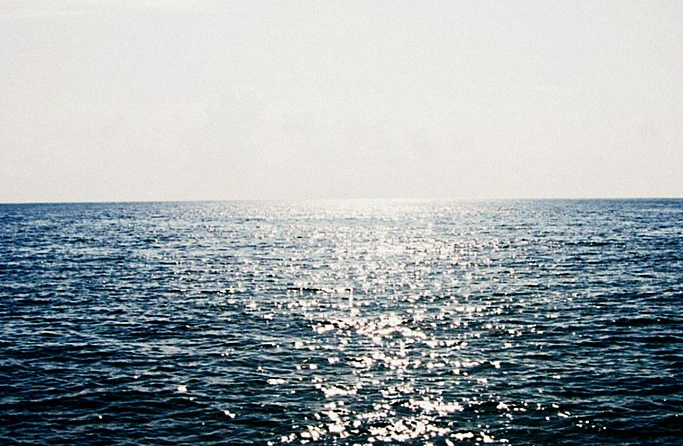
The Arabian Sea is the northwestern portion of the Indian Ocean, stretching between the Arabian Peninsula to the west and the Indian subcontinent to the east. It covers an area of roughly 4,600,000 square kilometres and includes some of the warmest tropical waters of the region. Seasonal winds and currents, especially the monsoon system, strongly shape its circulation, biology and human use.
Image gallery
10 Images





Geography and boundaries
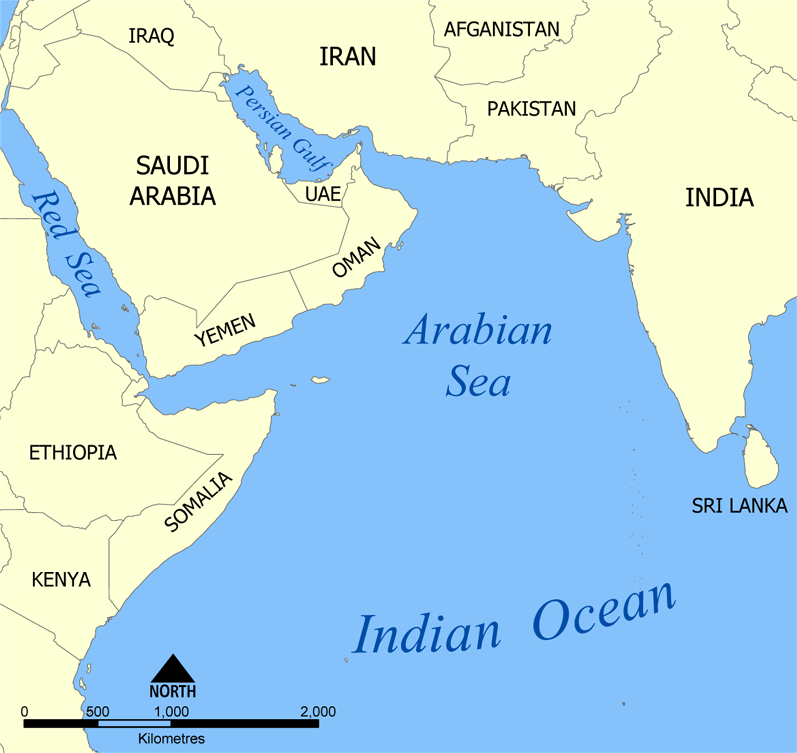
The sea is bounded by several prominent features. To the southwest it opens toward the wider Indian Ocean via the Guardafui Channel; the adjacent expanse to the west is often referred to as the Somali Sea. Major landmasses around the Arabian Sea include the Arabian Peninsula and the Indian Peninsula.
- Notable channels and adjacent seas: Guardafui Channel, Somali Sea
- Principal coastal states: India, Pakistan, Iran, Oman, Yemen and Somalia
- Significant coastal features: long continental shelves, gulfs and several important ports
Climate and oceanography
The Arabian Sea experiences a pronounced seasonal cycle driven by the southwest and northeast monsoon winds. These winds reverse direction twice a year and generate strong currents and coastal upwelling, particularly along the Somali and Arabian coasts. Surface temperatures are high compared with many other ocean regions, influencing evaporation, rainfall patterns and tropical cyclone activity. Distinct oceanographic features include seasonal currents and regions of low oxygen at intermediate depths known as oxygen minimum zones.
Ecology and resources
Productive upwelling supports rich fisheries that have sustained coastal communities for millennia. The sea hosts diverse marine life, including commercially important fish, whales, dolphins and coastal mangrove and coral habitats in sheltered areas. Natural resources and economic activities include fishing, shipping lanes, and offshore hydrocarbons near some coasts; these uses must be balanced with conservation of habitats and fisheries management.
History and human use
For centuries the Arabian Sea was a vital corridor for trade linking East Africa, the Arabian Peninsula, South Asia and beyond. Traditional sailing vessels such as dhows exploited predictable monsoon winds to carry spices, textiles and other goods. Many modern ports along its shores—Mumbai, Karachi, Muscat and Aden among others—continue that legacy as hubs of commerce, culture and maritime exchange.
Strategic importance and notable facts
The Arabian Sea occupies a key strategic position for global shipping and energy transport between Europe, Africa and South Asia. Its warm waters and seasonal dynamics make it a distinct subregion of the Indian Ocean: it is commonly noted as one of the warmer seas globally, with strong monsoon-driven productivity and complex oceanographic patterns that influence regional climate and livelihoods. For further reading on currents and climate influences see sources on regional sea temperatures and monsoon effects.
Distinctions: the sea's monsoon-driven reversals, prominent upwelling zones and coastal oxygen minima distinguish it from many other tropical seas and make it a focus of oceanographic and climate research.
Related articles
Author
AlegsaOnline.com Arabian Sea: Geography, Ecology, History and Strategic Importance Leandro Alegsa
URL: https://en.alegsaonline.com/art/5133