
Kerala — geography, history, culture, and economy
Kerala is a southwestern Indian state known for its backwaters, high social indicators, spice trade history, literacy, and vibrant culture. This article outlines geography, districts, history, economy and notable features.
Overview
Kerala is a state on the southwest coast of the Republic of India, bounded on the west by the Arabian Sea. It occupies a narrow strip between the sea and the Western Ghats and is conventionally considered part of South India. The state covers an area of about 38,863 km² and is slightly larger than Bhutan but smaller than Switzerland. The political capital is the capital city of Thiruvananthapuram, while Kochi is a major port and commercial hub.
Image gallery
10 Images



Geography and environment
Kerala’s landscape ranges from coastal plains and lagoons to the high ranges of the Western Ghats. The state’s long coastline, tropical monsoon climate and a complex network of rivers and backwaters create distinct ecosystems. Agriculture includes rice paddies, coconut groves and plantation crops at higher altitudes, while hill forests in the Ghats support biodiversity and rainfall catchment that shapes the regional climate.
Administrative divisions
Administratively Kerala is divided into fourteen districts. Below is a list of the districts commonly cited in official and travel materials; several district seats and towns are widely known beyond the state:
- Alappuzha
- Ernakulam
- Idukki
- Kannur
- Kasaragod
- Kollam
- Kottayam
- Kozhikode
- Malappuram
- Palakkad
- Pathanamthitta
- Thiruvananthapuram
- Thrissur
- Wayanad
History and cultural background
Kerala has a long recorded history shaped by indigenous kingdoms and extensive maritime trade. From the early Chera polities to medieval ports that exchanged spices and timber with traders from Arabia, Persia and later Europe, the region developed distinctive religious and cultural traditions. Portuguese, Dutch and British contacts left architectural and administrative legacies in coastal towns. The modern state of Kerala was formed through reorganization along linguistic lines in the mid-20th century.
Language, society and economy
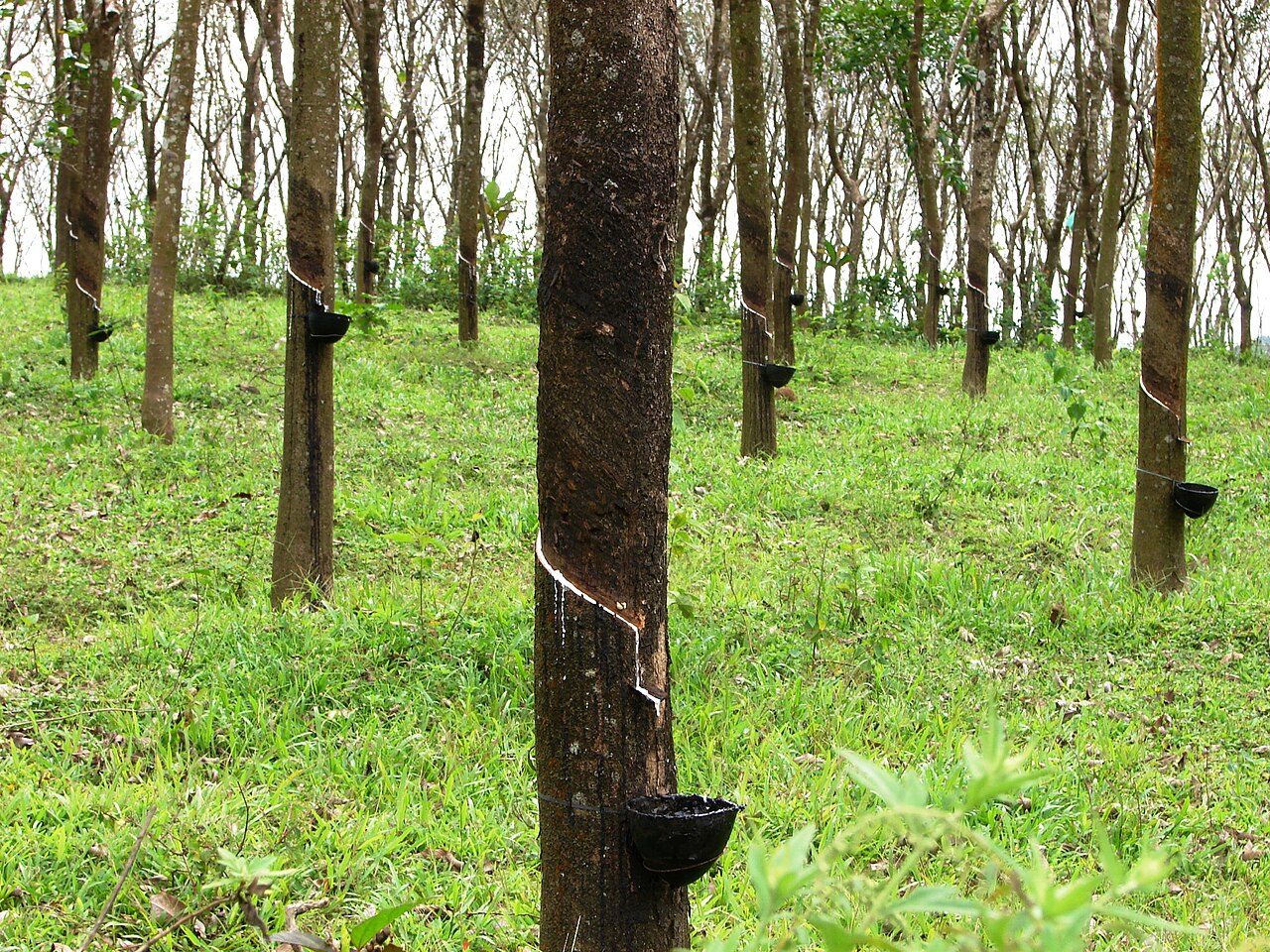
Malayalam is the principal language and the state is noted for relatively high literacy and public health indicators compared with many parts of India. The economy blends agriculture (including spices, rubber and coconut), fisheries, tourism focused on backwaters and hill stations, small industries and a growing services sector such as information technology and healthcare. Remittances from expatriate workers have also influenced household incomes and urban development.
Uses, tourism and notable distinctions
Kerala is known internationally for its network of backwaters, traditional boat festivals, Ayurvedic medicine centres and a cuisine that emphasizes coconut, rice and regional spices. Ecotourism in the Western Ghats, spice plantation tours and cultural performances attract many visitors. The state’s combination of natural diversity and social indicators makes it a frequent subject of study in development and public policy discussions.
Location and neighbours
The state shares inland borders with the Indian states of Tamil Nadu and Karnataka, which connect Kerala to the wider peninsular plateau. Its coastal position and long trading history have shaped both economy and culture, while the Western Ghats provide important ecological and hydrological functions for the region.
Questions and answers
Q: Where is Kerala located in India?
A: Kerala is located in the south-west of India.
Q: Which body of water is on the west coast of Kerala?
A: The Arabian Sea is on the west coast of Kerala.
Q: What are the names of the two states that are east of Kerala?
A: Tamil Nadu and Karnataka are east of Kerala.
Q: What is the capital city of Kerala?
A: Thiruvananthapuram is the capital city of Kerala.
Q: Which city in Kerala has a higher population density than the capital city?
A: Kochi has a higher population density than the capital city.
Q: How many districts are there in Kerala?
A: There are 14 districts in Kerala.
Q: Can you name some of the districts in Kerala?
A: Some of the districts in Kerala are Alappuzha, Ernakulam, Idukki, Kannur, Kasaragod, Kollam, Kottayam, Kozhikode, Malappuram, Palakkad, Pathanamthitta, Thiruvananthapuram, Thrissur, and Wayanad.
Related articles
Author
AlegsaOnline.com Kerala — geography, history, culture, and economy Leandro Alegsa
URL: https://en.alegsaonline.com/art/53000
Sources
- timesofindia.indiatimes.com : "Kerala literacy: Kerala's literacy rate up by 3%, says Aksharalaksham survey | Thiruvananthapuram News - Times of India"
- travel-blog.waytoindia.com : "10 Most Famous Festivals Of Kerala"
- commons.wikimedia.org : Kerala