
Andhra Pradesh
Andhra Pradesh is a southeastern Indian state noted for its long Bay of Bengal coastline, Telugu cultural heritage, rice agriculture, and expanding information technology and biotechnology industries.

Overview
Andhra Pradesh is a state on the southeastern coast of India. It is known for its distinctive Telugu language and culture, a long shoreline on the eastern seaboard, fertile river plains, and varied landscapes that include coastal plains, hills, and plateaus. The state is home to tens of millions of people and plays a significant role in India’s agriculture and growing technology sectors. Basic demographic and administrative details can be found in official sources such as the national census.
Image gallery
10 Images




Geography and environment
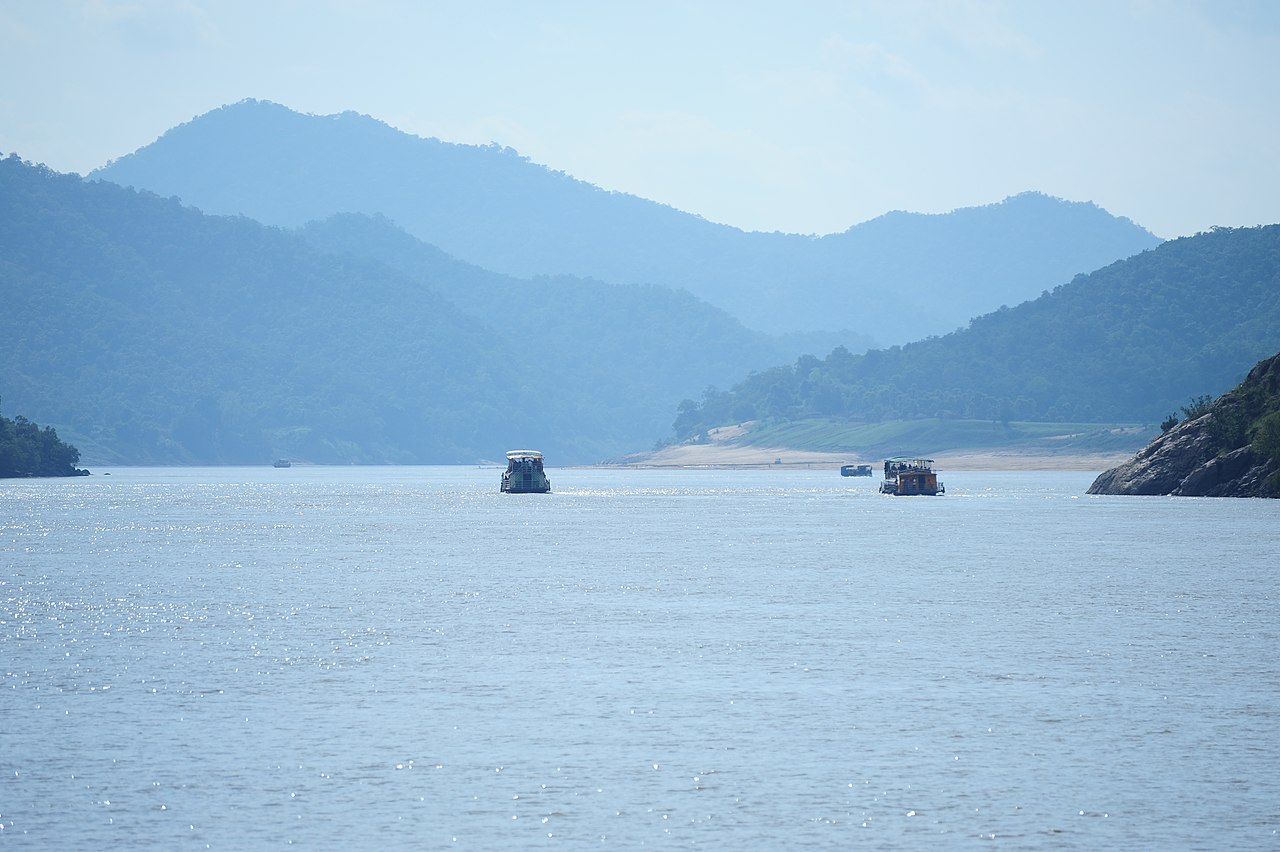
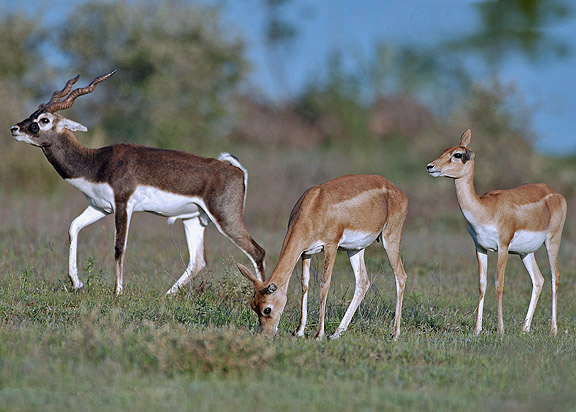
Andhra Pradesh faces the Bay of Bengal along its eastern side and is characterized by a broadly elongated coastline, river deltas and estuaries. Major rivers such as the Godavari and Krishna irrigate extensive plains and have historically supported intensive paddy cultivation. The coastline and inland wetlands support fisheries, mangroves, and coastal ecosystems that are important for livelihoods and biodiversity. In traditional regional schemes it is grouped with the larger South India area.
History and political development
The modern boundaries and administration of Andhra Pradesh have changed in recent decades. In 2014 the state was reorganized under the Andhra Pradesh Reorganization Act, creating the separate state of Telangana and leaving a reorganized Andhra Pradesh to the southeast. Under the terms of that Act, the city of Hyderabad served as a joint capital for a transition period. These changes affected administrative arrangements, development planning and proposals for a new state capital.
Economy and resources
Andhra Pradesh’s economy is diverse. Agriculture remains important: the coastal plains are highly productive and the state is often described as a major rice-producing region, sometimes called the "Rice Bowl" in popular descriptions. At the same time, urban centers and policy initiatives have encouraged growth in services and industry. Sectors such as information technology and biotechnology have attracted investment, alongside manufacturing, pharmaceuticals and ports. Publications that compare economic size typically cite figures for gross domestic product when ranking states or tracking growth.
Culture, language and society
Telugu is the dominant language and central to the region’s literature, arts and film industries. Traditional performing arts, distinctive cuisine, temple architecture and festivals form a visible cultural identity. Dance forms such as Kuchipudi have origins in this region, and religious as well as folk traditions remain prominent in everyday life across rural and urban areas.
Notable facts and comparisons
The state’s size and population have often been compared with small countries to give international context — for example, older comparisons referenced nations like Burkina Faso and Ecuador when describing territorial extent before reorganization. Andhra Pradesh’s long coastline, agricultural productivity, historic ports, and recent shifts toward knowledge-based industries make it an important and evolving part of India’s regional landscape.
- Major rivers: Godavari, Krishna
- Primary language: Telugu
- Key industries: agriculture (rice), IT, biotechnology, fisheries
Related articles
Author
AlegsaOnline.com Andhra Pradesh Leandro Alegsa
URL: https://en.alegsaonline.com/art/3917
Sources
- commons.wikimedia.org : Andhra Pradesh
- simple.wiktionary.org : Andhra Pradesh
- economictimes.indiatimes.com : "Andhra HC orders status quo on Jagan's capital plan"
- zeenews.india.com : "Anusuiya Uikey appointed Chhattisgarh Governor, Biswa Bhusan Harichandan is new Governor of Andhra Pradesh" · web.archive.org
- thenewsminute.com : "Veteran BJP leader Biswa Bhusan Harichandan appointed as Governor of Andhra Pradesh" · web.archive.org
- ap.gov.in : "Demography"
- mospi.nic.in : "MOSPI Gross State Domestic Product"
- hdi.globaldatalab.org : "Sub-national HDI – Area Database" · web.archive.org
- ey.com : "Andhra Pradesh bifurcation - a perspective"
- discoveredindia.com : "Tour to Andhra Pradesh - Rice Bowl of India"