
Goa — small Indian state on the west coast
Goa is India's smallest state by area, on the Konkan coast. Known for beaches, Portuguese heritage, tourism, and a distinct culture mixing Konkani, Hindu and Christian influences.
Overview
Goa is a coastal state in the Republic of India widely known for its beaches, colonial heritage and tourism-driven economy. Administratively it is the country's smallest state by area; the state designation is often linked to its unique historical and cultural identity state. Its total area is commonly cited as about 3,702 km², a figure used when comparing Goa's size to other territories area.
Image gallery
10 Images


Location and geography
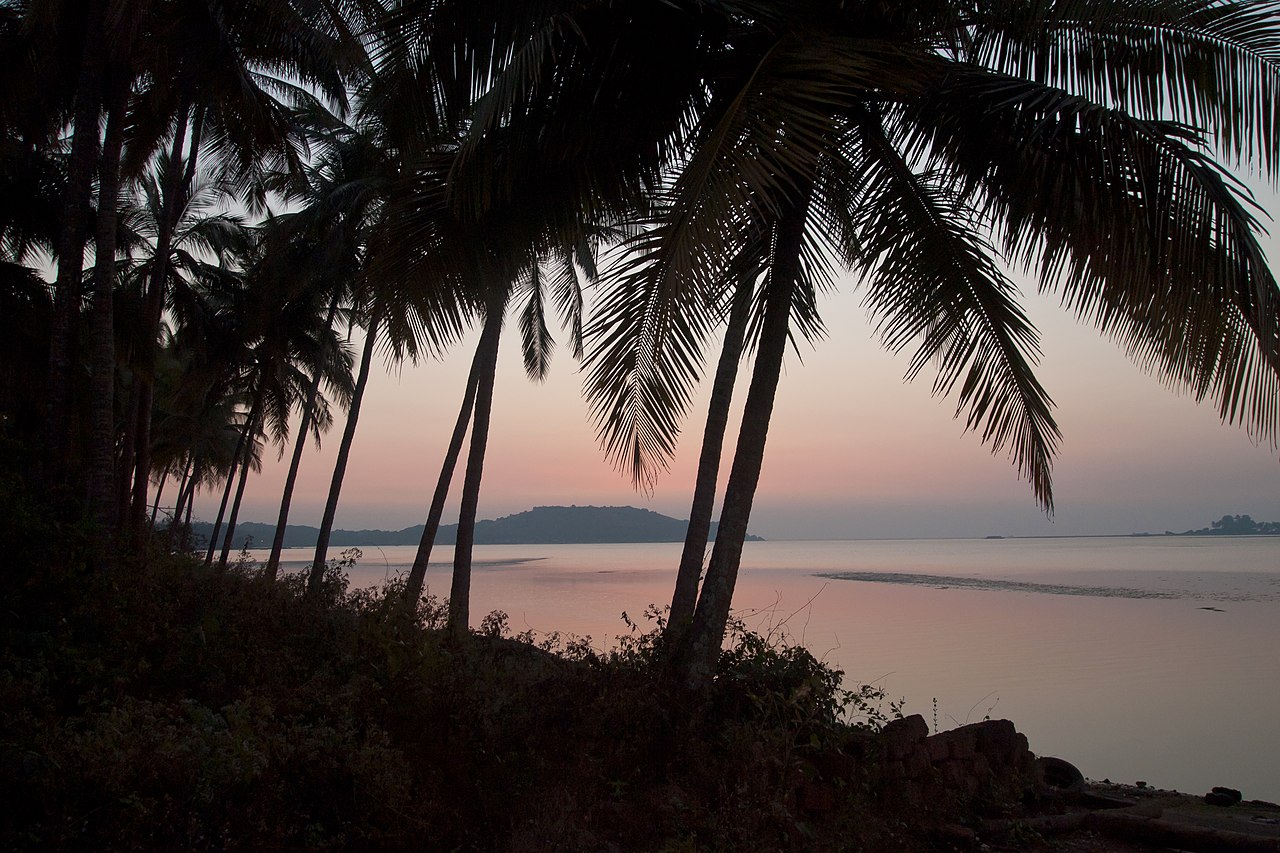
Situated on India's west coast, Goa lies within the Konkan region and is bordered by the Arabian Sea to the west. The region is described in traditional Indian schemes as part of the South Indian zone, though its culture blends northern and southern influences South Indian zone. Its shoreline faces the Arabian Sea Arabian Sea, and the neighboring Indian states are Maharashtra to the north Maharashtra and Karnataka to the east and south Karnataka. Geographically the state is small — larger than some island states like Samoa Samoa but smaller than certain disputed territories such as parts of South Ossetia South Ossetia territory.
Administrative divisions and settlements
Panjim (locally Panaji) serves as the state capital and is the seat of government, while Margao is among the larger commercial towns with historical importance. Goa's compact size means that districts, talukas and municipal areas are relatively close to one another, which aids connectivity and contributes to a concentrated pattern of urban and rural settlement. The state's transport network connects coastal towns, hinterland villages and popular tourist hubs.
History and colonial period
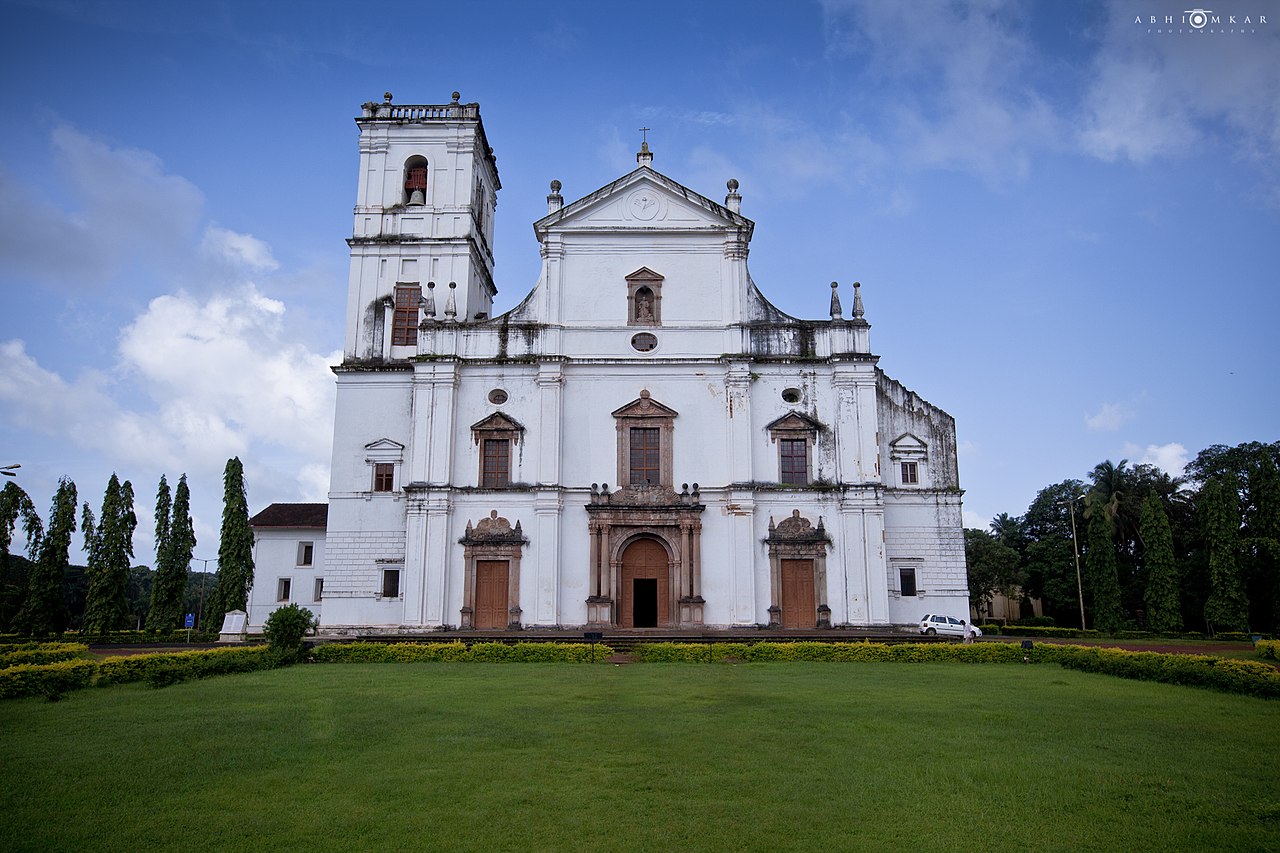
Goa's recorded history includes long periods of indigenous rule followed by European contact. Portuguese sailors and merchants arrived in the early modern era and established a colonial presence; Portugal maintained control of Goa for several centuries until the mid-20th century. The arrival and expansion of Portuguese influence began in the 16th century 16th century, when missionaries, traders and administrators shaped the region's architecture, religion and cuisine. Goa remained a Portuguese territory for roughly four and a half centuries, and Indian forces incorporated the territory into the Indian Union in 1961 after a military operation that ended colonial rule. The Portuguese connection continues to be visible in churches, fortifications and place names Portuguese.
Culture, economy and tourism
Goa's culture is characterized by a mixture of Konkani language traditions and both Hindu and Christian religious practices. Local festivals, music, and culinary styles reflect indigenous and colonial influences. Tourism is a major part of the economy: beaches, historic churches and heritage sites attract domestic and international visitors throughout the year. Agriculture, fishing, small-scale industry and services also contribute to livelihoods. In recent decades Goa has been noted for relatively high indicators of literacy and living standards compared with many larger Indian states, though regional disparities exist between coastal and interior areas.
Notable facts and distinctions
Several attributes set Goa apart within India: its compact area and population density, a visible Portuguese architectural legacy, and a popular reputation as a leisure and cultural destination. These factors combine to make Goa a frequently studied example of colonial legacy shaping modern regional identity and economy. For further context on administrative, cultural or travel-related topics about the state, consult regional guides and official sources west coast Konkan Goa.
- Capital: Panjim (Panaji)
- Notable town: Margao
- Language highlights: Konkani and multilingual communities
- Heritage: Portuguese-era churches and forts
Questions and answers
Q: Where is Goa located?
A: Goa is located on the west coast of India, in the region known as the Konkan.
Q: What is the total area of Goa?
A: The total area of Goa is 1,430 mi² (3,702 km²).
Q: What is the population of Goa compared to other Indian states?
A: Goa has the second smallest number of people compared to other Indian states.
Q: What are the neighbouring states of Goa?
A: The neighbouring states of Goa are Maharashtra to the north, and Karnataka to the east and south.
Q: What is the capital of Goa?
A: The capital of Goa is Panjim.
Q: Who first landed in Goa and when?
A: Portuguese merchants first landed in Goa in the 16th century.
Q: When did India take control of Goa?
A: India took control of Goa in 1961 by sending its army and defeating Portuguese army.
Related articles
Author
AlegsaOnline.com Goa — small Indian state on the west coast Leandro Alegsa
URL: https://en.alegsaonline.com/art/39349