
Kars Province: Geography, History and Cultural Heritage
Kars Province in northeastern Turkey: its landscape, climate, historical shifts between empires, cultural landmarks such as the medieval city of Ani, economy, and its role on the Turkish–Armenian frontier.
Overview
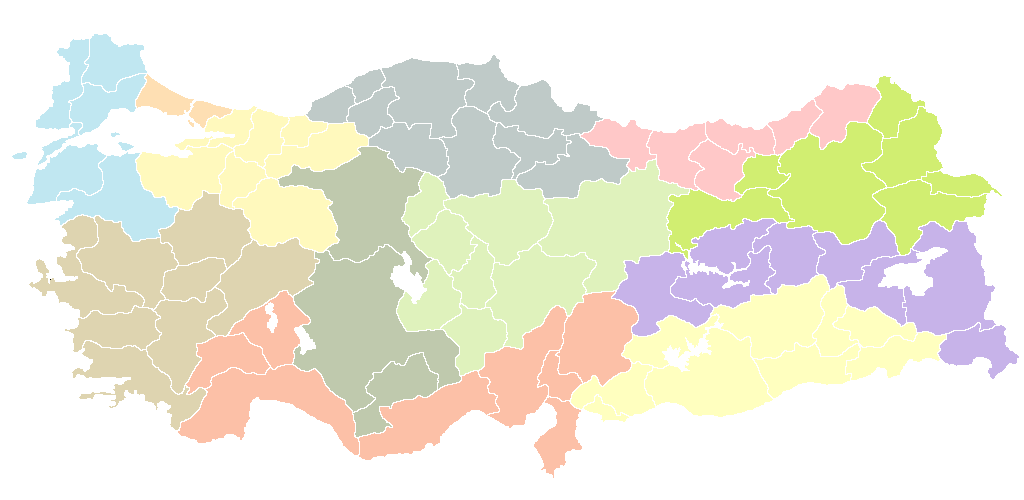
Kars Province occupies a strategic upland area in the far northeast of Turkey, sharing part of its international boundary with the Republic of Armenia. The provincial capital and largest urban center is the historic city of Kars, known for its long history, defensive architecture and role as a regional administrative hub. Settlements are dispersed across valleys and plateaus rather than concentrated in a single coastal plain.
Image gallery
10 Images



Geography and climate
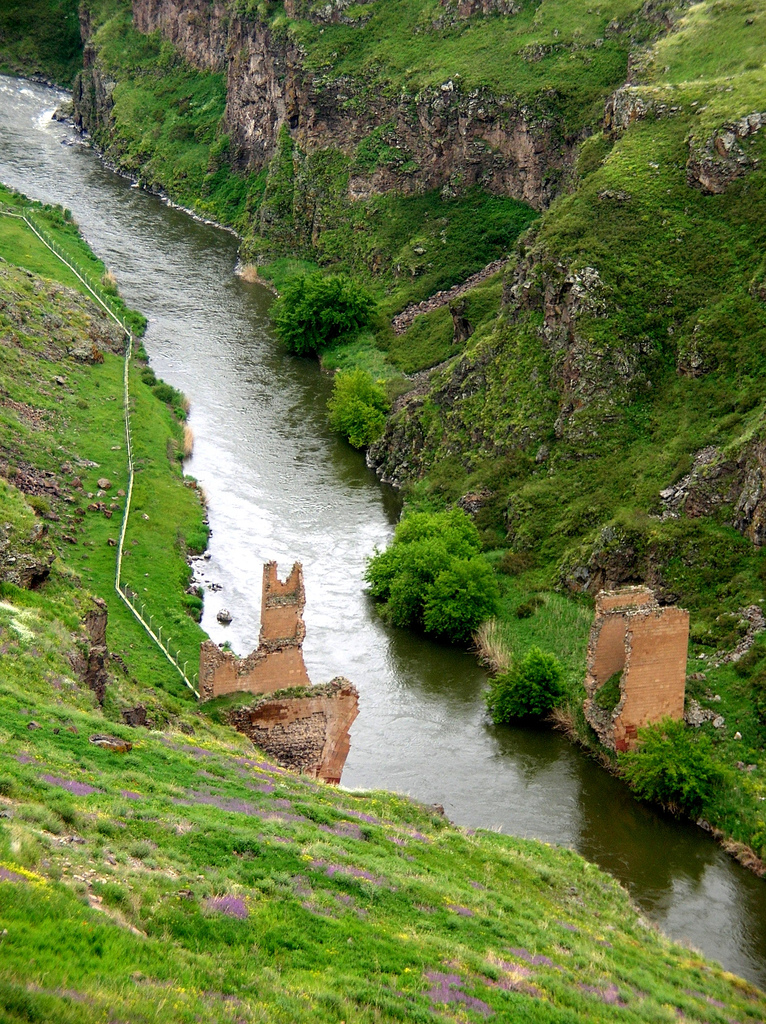
The province sits on the high Eastern Anatolian plateau, with elevations that produce a sharply continental climate: cold, snowy winters and warm, short summers. The terrain combines volcanic plateaus, river valleys and surrounding mountain ranges, and supports pastureland and crops adapted to a short growing season. Rivers in the wider region feed the Aras watershed and shape local agriculture and settlement patterns.
History
Kars has a layered history, with settlement traces stretching back to ancient and medieval periods; nearby Ani is a prominent ruined medieval city that illustrates the region's earlier cultural importance. From the late 19th century until the upheavals of World War I, much of the area was administered by Russia as an oblast. After the war the province saw contested control, including a period when parts were governed from Yerevan as Vanand, and the postwar border arrangements were settled by diplomacy: the modern frontier was established when territory was ceded to Turkey by the Soviet Union following negotiations in the early 20th century.
Economy, society and transport
The local economy is largely rural, centered on livestock, dairying and hardy cereal cultivation suited to high-altitude conditions; small-scale manufacturing and services concentrate in town centers. Cultural life reflects multiethnic influences accumulated over centuries, with foodways, music and crafts that draw on Anatolian and Caucasian traditions. Transport links include regional roads and rail connections that link Kars with the broader Caucasus corridor; cross-border movement and trade with neighboring countries are shaped by broader diplomatic relations.
Notable sites and contemporary importance
Kars Province attracts visitors for its historical monuments, winter landscapes and cultural festivals. The medieval ruins at Ani are among the most significant archaeological sites in the region and draw international interest for their architecture and historical narrative. Main towns and districts include Kars, Sarıkamış, Kağızman and Digor; each offers different access to natural scenery and heritage. Conservation of ruins, sustainable tourism and rural development are ongoing priorities as the province balances preservation with economic needs.
- Key links: Turkey, Armenia, Russia, oblast, city of Kars, Soviet Union.
Questions and answers
Q: Where is Kars Province located?
A: Kars Province is located in the northeastern part of Turkey.
Q: Which country shares a border with Kars Province?
A: The Republic of Armenia shares a border with Kars Province.
Q: What was Kars Province called when it was under the control of the Democratic Republic of Armenia?
A: Kars Province was called Vanand province when it was under the control of the Democratic Republic of Armenia.
Q: What was the capital of Vanand province?
A: The city of Kars was the capital of Vanand province.
Q: Which country did Kars Province belong to from 1878 to 1917?
A: Most of the present-day Turkish province of Kars was part of the Russian oblast of Kars from 1878 to 1917.
Q: When did Kars Province come under the control of the Democratic Republic of Armenia?
A: Kars Province came under the control of the Democratic Republic of Armenia in 1919 and 1920.
Q: How did Turkey acquire the territory of Kars Province from the Soviet Union?
A: Turkey acquired the territory of Kars Province from the Soviet Union in the Treaty of Kars.
Related articles
Author
AlegsaOnline.com Kars Province: Geography, History and Cultural Heritage Leandro Alegsa
URL: https://en.alegsaonline.com/art/52395