
South India: geography, cultures, history and modern significance
Overview of South India covering its states and territories, languages and culture, historical development, economy, and notable features such as temple architecture, cuisine and biodiversity.
South India denotes the southern portion of the Republic of India and is commonly used to describe a group of states and union territories that share geographical proximity and many cultural traits. The region contains a mix of coastal plains, mountain ranges, inland plateaus and island groups. Its societies are linguistically and culturally diverse, with major Dravidian languages and distinct regional traditions.
Image gallery
10 Images






Geography and political divisions
The area typically included in modern usage comprises a set of states and union territories in the peninsular and coastal south. Major political units are listed below:
- Andhra Pradesh
- Goa
- Karnataka
- Kerala
- Tamil Nadu
- Lakshadweep, a group of islands and a union territory
- Puducherry (a union territory made up of several non-contiguous enclaves along the east coast)
Languages, religion and culture
South India is a stronghold of several Dravidian languages—Tamil, Telugu, Kannada and Malayalam—each with long written traditions and vibrant contemporary use. The region has important classical arts such as Carnatic music and several classical dance forms, and it is known for distinctive culinary styles, temple architecture, and festival calendars. Political and cultural movements linked to regional identity, including historical proposals referenced under Dravida Nadu, have shaped modern debates about language and governance.
History and development
Historically, South India hosted powerful medieval and ancient polities whose patronage shaped literature, architecture and trade networks. Coastal ports connected the region to maritime commerce across the Indian Ocean. Colonial-era changes altered political boundaries and economy, while in the post-independence period many southern states invested in education, health and industrial development. Cities such as Bengaluru (Karnataka) and Chennai (Tamil Nadu) became important technology and manufacturing centers.
Economy, environment and notable features
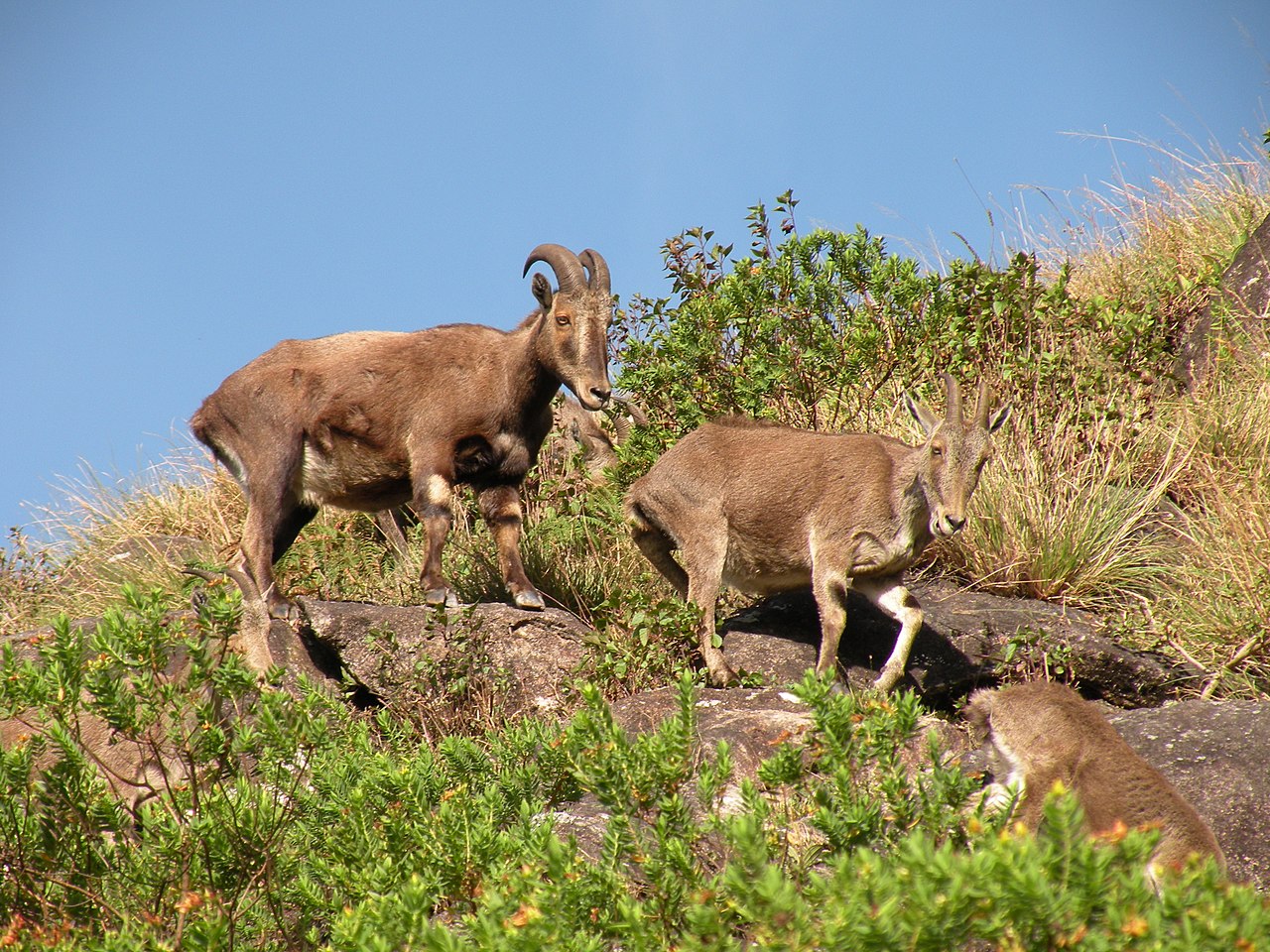
Modern South India combines agriculture, information technology, manufacturing and tourism. The Western Ghats, a mountain chain running north–south, is globally recognized for biodiversity and ecological importance. The region is also renowned for elaborate Hindu temple complexes, backwater landscapes in Kerala, and small island ecosystems in Lakshadweep. Social indicators such as literacy and public health vary by state but several southern states often rank higher than national averages on these measures.
Because the term "South India" can be used in different ways—geographical, linguistic or cultural—context matters when it is employed in academic, political or casual speech. For further reading on specific states and cultural topics, consult the individual entries linked above.
Related articles
Author
AlegsaOnline.com South India: geography, cultures, history and modern significance Leandro Alegsa
URL: https://en.alegsaonline.com/art/92164