
Bangalore (Bengaluru): India's technology hub and growing metropolis
Bangalore, officially Bengaluru, is the capital of Karnataka and a major Indian city known for its information technology industry, educational and research institutions, pleasant climate, and rapid urban development.
Overview
Bangalore, officially Bengaluru, is the largest city and administrative capital of the Indian nation state's region of Karnataka. Located on the southern Deccan plateau, it is widely recognized for its role in modern commerce and higher learning. The city is commonly called the "Silicon Valley of India" for its dense concentration of technology firms and startups; that reputation grew alongside an expanding information technology and industry ecosystem.
Image gallery
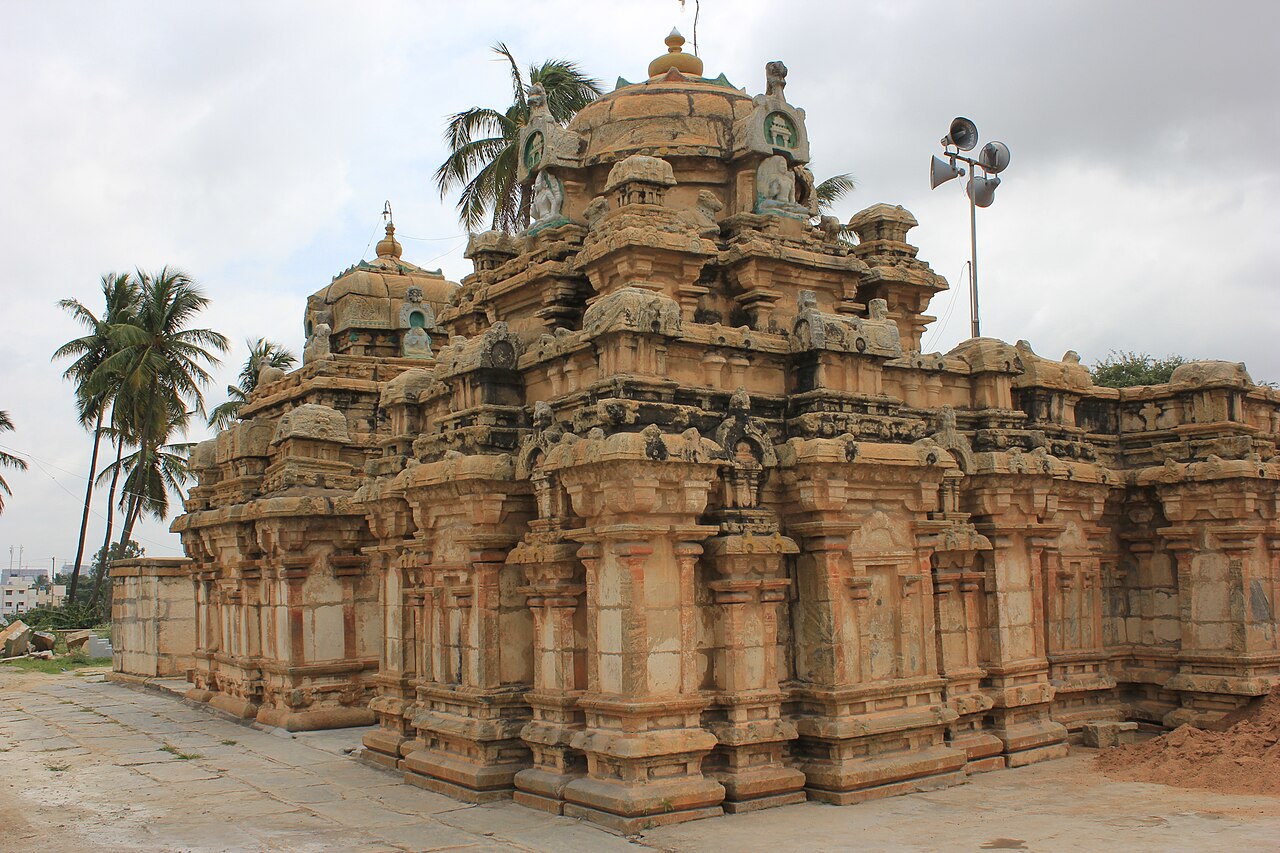
10 Images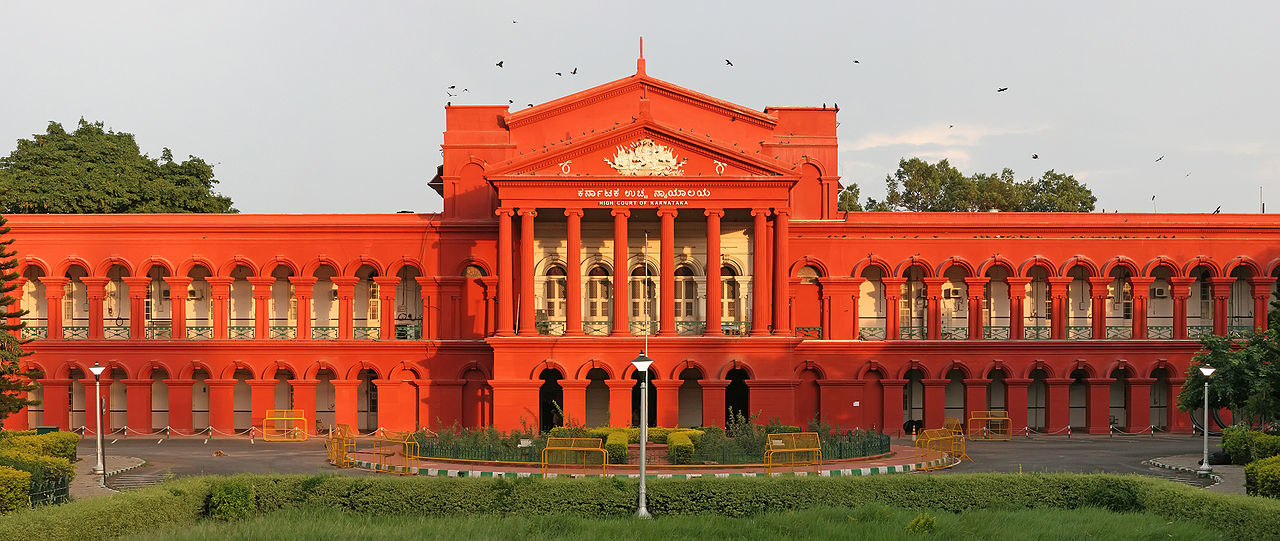




Characteristics and urban fabric
Bangalore blends commercial districts, residential neighborhoods, and sizable institutional campuses. Public parks and botanical gardens remain defining features: historic green spaces are reminders of its earlier nickname, the Garden City. Its elevation and inland setting give the city a generally moderate climate, often milder than many other Indian urban centers. Kannada is the official regional language, but the population is cosmopolitan and multilingual.
History and development
The settlement has roots as a regional market town and fort established by local rulers; later urban growth accelerated under successive administrations. In the modern era, investment in technology, research and education transformed Bangalore from a regional center into an international business and innovation hub sometimes likened to the global Silicon Valley.
Institutions, research and education
Bangalore hosts a range of well-known universities, public research institutions and professional schools that contribute to science, engineering, management and medicine. These institutions attract students and researchers from across India and abroad, reinforcing the city's role as an education and knowledge centre.
Economy and importance
The city's economy is diversified. While software services and information technology remain prominent, sectors such as biotechnology, aerospace, manufacturing and financial services also have a strong presence. A vibrant startup scene and numerous multinational offices make Bangalore a major node in national and global business networks.
Challenges and notable facts
Rapid population growth and urban expansion have brought challenges: traffic congestion, pressure on water supplies and the need for upgraded infrastructure are recurring concerns. Urban planning efforts, mass transit projects and civic initiatives are ongoing to address these issues while preserving green spaces and cultural heritage. For visitors and residents alike, Bangalore is known for its cafés, diverse cuisine, research centers and active cultural life.
Landmarks and examples
- Historic parks and botanical gardens that reflect the city's "garden" past
- Major educational and research campuses that shape scientific and technical training
- Commercial corridors and technology parks that host domestic and international firms
Related articles
Author
AlegsaOnline.com Bangalore (Bengaluru): India's technology hub and growing metropolis Leandro Alegsa
URL: https://en.alegsaonline.com/art/114807