
3rd century BC (300–201 BC): overview, events, and legacy
Period from 300 to 201 BC marked by Hellenistic states, Roman expansion, Chinese unification under Qin and Han transition, scientific advances, and major wars shaping the ancient Mediterranean and Asia.
Overview
The 3rd century BC ran from 300 BC through 201 BC. It was a dynamic era in which the Hellenistic kingdoms that followed Alexander the Great continued to evolve, Rome grew from a regional power into a Mediterranean hegemon, and large empires in Asia consolidated or transformed. For basic chronological context see timeline references.
Image gallery
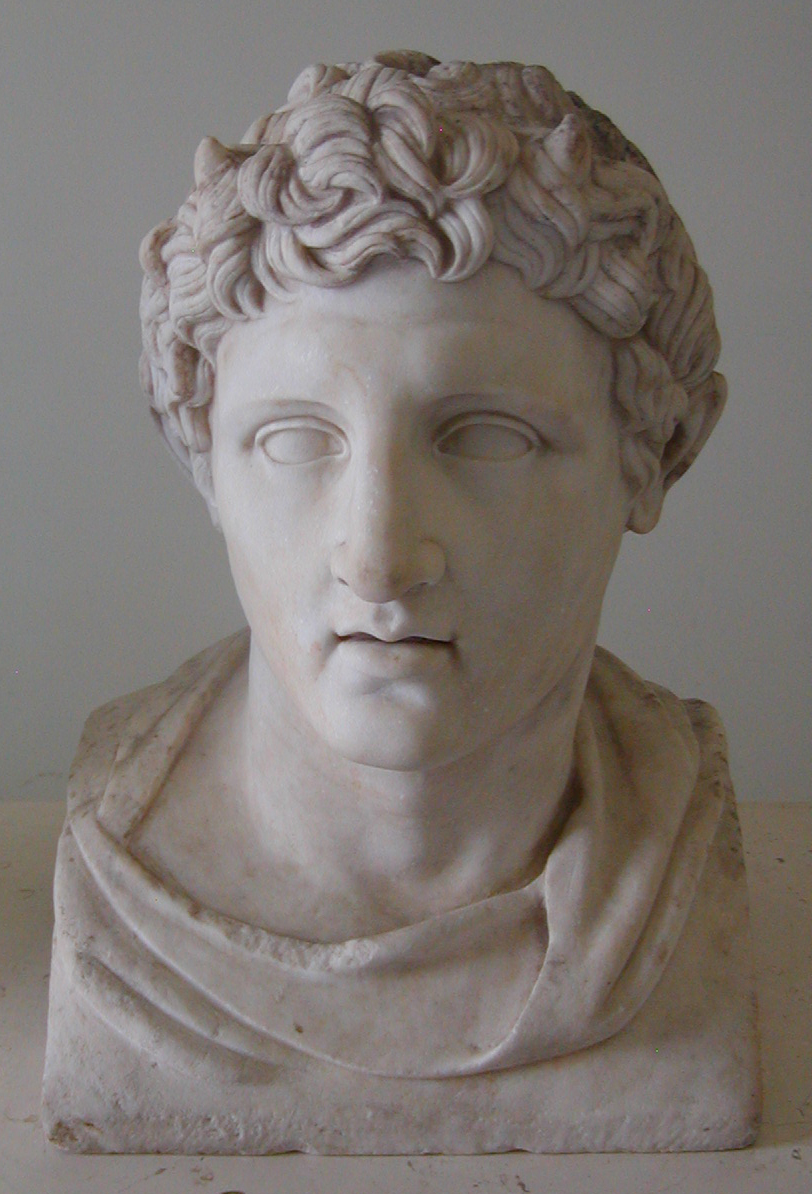
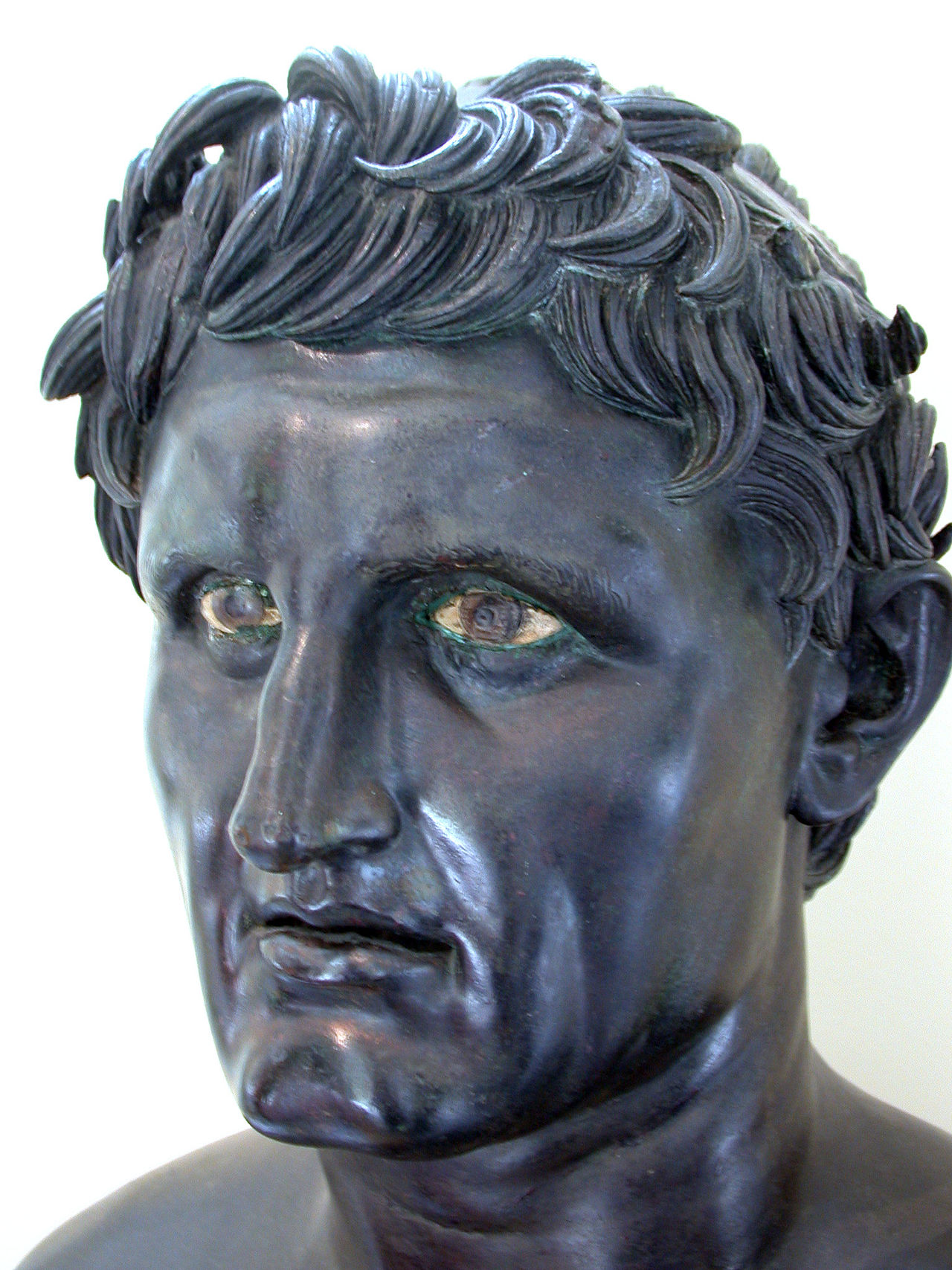
10 Images


Political and military developments
This century saw frequent warfare and state-building. In the western Mediterranean the Roman Republic fought major wars against rival powers, including campaigns against Hellenistic client states and long conflicts with Carthage that shaped Roman dominance. In the eastern Mediterranean, successor dynasties — notably the Seleucids, Ptolemies and Antigonids — competed for territory and influence. In South Asia the Maurya Empire reached a high point under Ashoka, while in China the short-lived Qin dynasty unified the warring states before collapsing and giving way to the Han.
Cultural and intellectual life
Hellenistic culture spread Greek language, art, and science across the eastern Mediterranean and Near East. Important advances in astronomy, geography and mathematics were made by scholars such as Eratosthenes and Archimedes. New philosophical schools, including Stoicism and Epicureanism, found followers across cities and courts. Major institutions like the Library and Museum of Alexandria flourished as centers of learning.
Notable people and events
- Archimedes and other Hellenistic scientists produced mathematical and mechanical work still known today.
- The Punic Wars between Rome and Carthage transformed western Mediterranean power balances.
- Qin unification of China (221 BC) created the first imperial structure; the Han dynasty emerged shortly after.
- Ashoka of the Maurya Empire promoted Buddhism and left inscriptions that inform historians.
These developments had long-term consequences: they reshaped trade routes, spread religions and ideas, and laid political foundations that influenced the classical and post-classical worlds. The century is thus central for understanding the transition from classical city-states toward larger imperial systems across Afro-Eurasia.
Related articles
Author
AlegsaOnline.com 3rd century BC (300–201 BC): overview, events, and legacy Leandro Alegsa
URL: https://en.alegsaonline.com/art/112868