
Tamil Nadu: geography, history, culture and economy
Tamil Nadu is a southern Indian state known for the Tamil language, ancient Dravidian kingdoms, distinctive temple architecture, a long coastline, diverse agriculture and a modern industrial and services economy.
Tamil Nadu is a major state on the southern tip of the Indian peninsula where the classical language Tamil remains central to public life, literature and identity. Its capital is Chennai (historically called Madras) and the region combines densely populated urban centres, agricultural plains and hilly forest tracts. The state's area is roughly 130,000 km2 and it is home to well over 60 million people, making it one of India's most populous units. Tamil Nadu plays a prominent role in culture, religion, industry and regional politics within modern India.
Image gallery
10 Images





Geography and environment
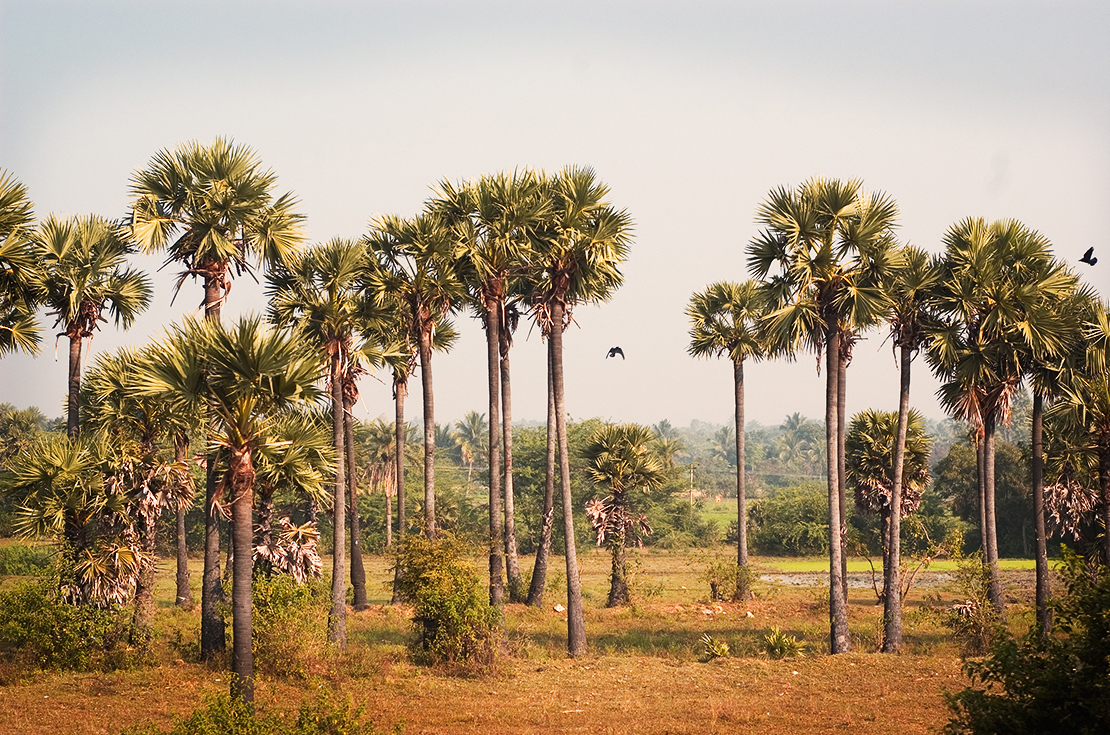
Stretching along a long eastern coast, Tamil Nadu meets the Bay of Bengal to the east and the Indian Ocean to the south; a small portion of its westernmost boundary approaches the Arabian Sea. On land it borders the states of Kerala, Karnataka and Andhra Pradesh, and it is conventionally grouped with the other provinces of South India. The terrain includes the fertile Cauvery (Kaveri) delta, parts of the Eastern and Western Ghats, dry scrublands and coastal wetlands. Protected areas such as Mudumalai and Point Calimere support notable biodiversity, including several endemic and migratory species.
Cities, rivers and regions
Major urban centres serve as hubs for industry, education and culture. Important cities include:
- Coimbatore — an industrial and textile centre in the west
- Salem — known for steel, mineral and manufacturing activity
- Madurai — a historic temple city in the south-central plains
- Tirunelveli — an agricultural and service node in the south
- Thanjavur — famed for its cultural monuments and rice cultivation
- Thoothukudi — a port and industrial town on the southeast coast
Rivers such as the Kaveri (Cauvery), Vaigai and others irrigate farmland and sustain the state’s intensive agriculture. The distribution of rainfall, monsoon cycles and reservoir management are important for cropping patterns and rural livelihoods.
Historically, Tamil Nadu was home to powerful early polities and maritime networks. The classical Tamil-speaking world produced three well-known dynasties: the Chera, the Chola and the Pandya, whose activity from antiquity through the medieval period shaped much of the region's culture, trade and temple-building traditions. Archaeological finds indicate human and cultural activity in the area from prehistoric and Neolithic times onward, followed by extensive literary, religious and commercial developments in the early historic era.
In contemporary politics the state has been dominated by regional Dravidian movements and parties. The modern landscape includes leaders and organizations such as M. K. Stalin and the Dravida Munnetra Kazhagam, as well as rivals like Edappadi K. Palaniswami and the All India Anna Dravida Munnetra Kazhagam. These formations are examples of a distinct regional political party culture that has influenced social policy, language policy and state governance for decades.
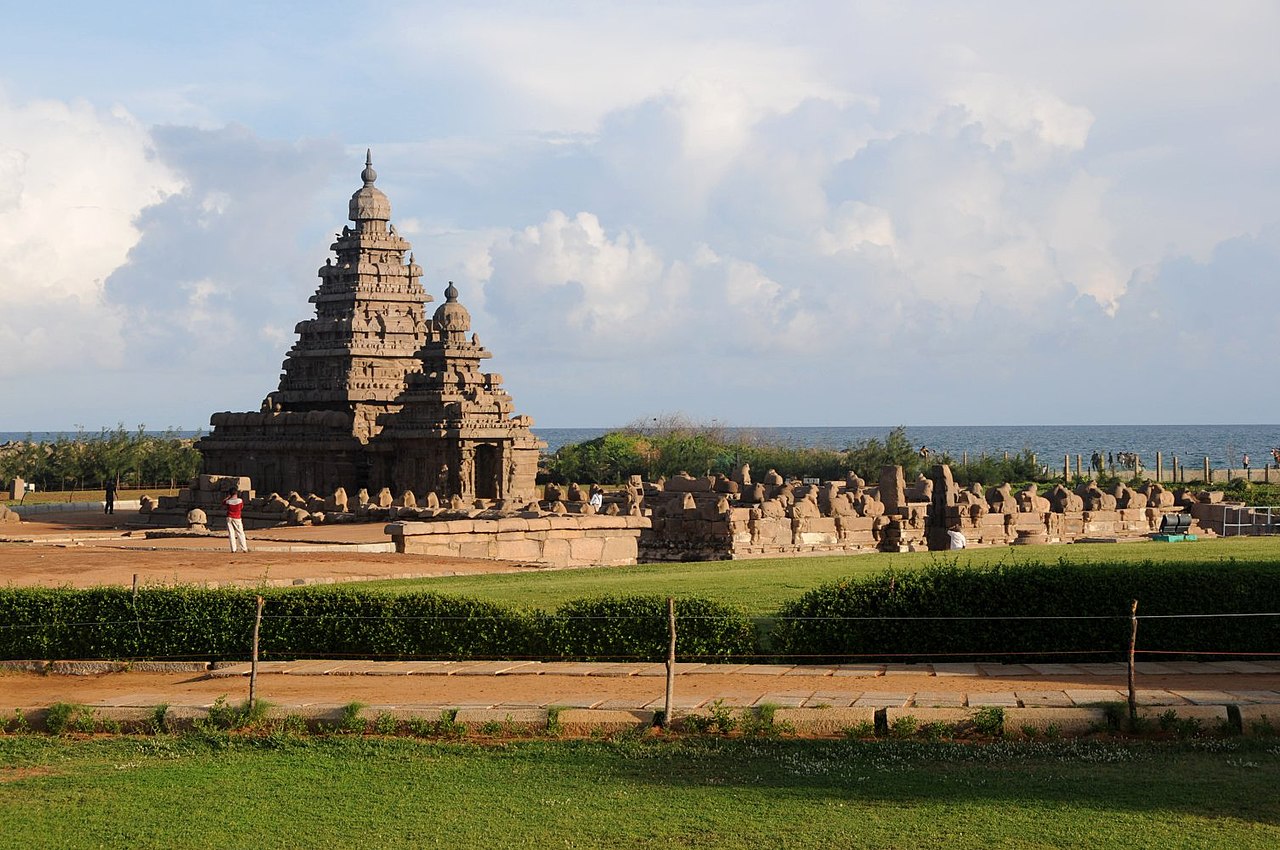
Culturally, Tamil Nadu is widely recognized for its Dravidian-style Hindu temples with complex sculpture and stone work, classical performing arts (including Carnatic music and Bharatanatyam dance), and a continuous written literary tradition in the Tamil language. Economically, the state combines traditional agriculture (rice, sugarcane, cotton, and plantation crops) with modern industries such as textiles, automobile and engineering, information technology, and ports supporting maritime commerce. Tourism, pilgrimage and cultural festivals also contribute significantly to the state's public life and economy.
Notable distinctions of Tamil Nadu include its high concentration of ancient temples and heritage sites, a strong regional identity anchored in language, and a diverse landscape that ranges from coastal ecosystems to highland forests. Ongoing challenges include water management, urbanization pressures, and balancing industrial growth with environmental conservation. For readers seeking further detail, regional overviews, cultural histories and economic surveys offer deeper coverage of Tamil Nadu's many facets.
Related articles
Author
AlegsaOnline.com Tamil Nadu: geography, history, culture and economy Leandro Alegsa
URL: https://en.alegsaonline.com/art/96201