
Ikebana: The Japanese Art of Living Flower Arrangement
Ikebana is the Japanese art of arranging flowers and plant material that emphasizes line, balance and seasonal awareness. It blends aesthetic design, spiritual practice and horticultural knowledge.
Overview
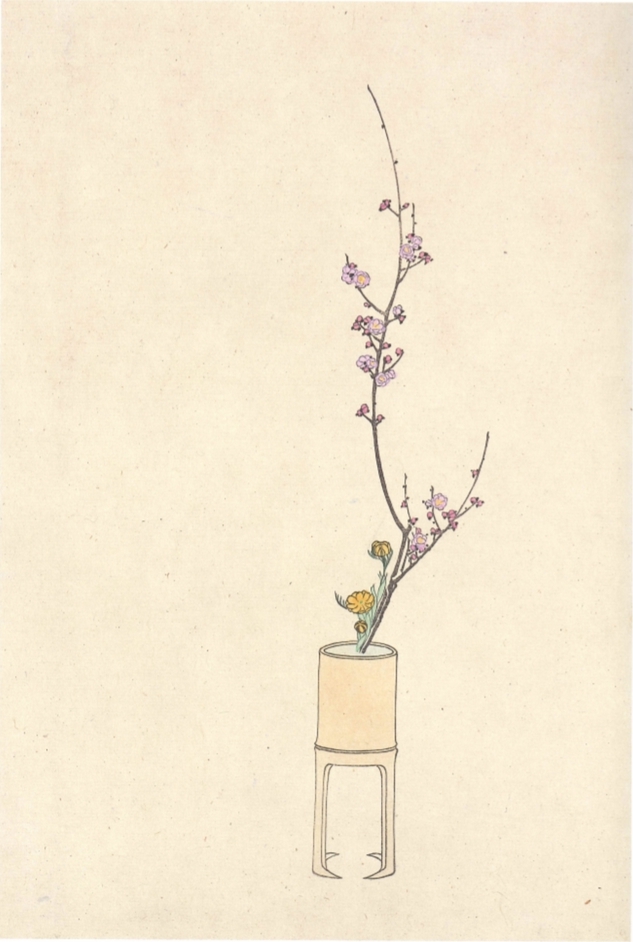
Ikebana (also written 生け花) is the traditional Japanese practice of arranging flowers and other plant materials into compositions that emphasize line, form and space rather than simply filling a container. Often described as “living flowers,” ikebana treats each stem, leaf and branch as an individual element with expressive potential. The practice grew from religious and courtly origins into a wide-ranging art that is studied, taught in schools, and practiced in homes and public spaces across Japan and internationally. The word is commonly translated as the Japanese art of floral arrangement.
Image gallery
10 Images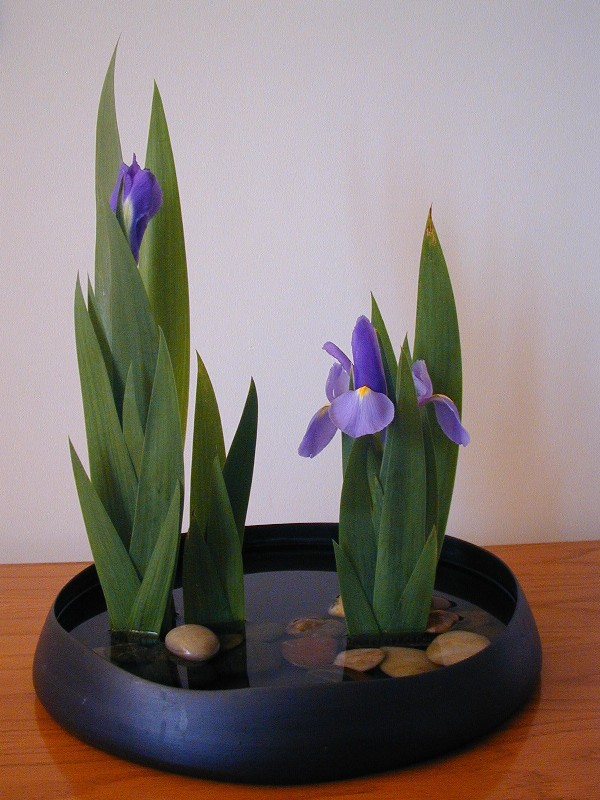






Essential characteristics
Unlike many Western styles that prioritize color and mass, ikebana foregrounds three-dimensional structure and negative space. Key qualities include asymmetry, an emphasis on vertical and diagonal lines, seasonal sensitivity and a restrained palette. Containers and supporting devices are part of the composition; a shallow dish or tall vase can change the character of an arrangement. Traditional tools and accessories—scissors, wire, and the kenzan (a needle-pin holder)—help position materials precisely.
Principles and elements
- Line: Stems and branches create the skeleton and dynamic movement of the design.
- Balance: Harmony is achieved through proportional relationships rather than mirror symmetry.
- Space: Emptiness is used deliberately to define form and invite contemplation.
- Season: Materials and motifs reflect the time of year and its symbolic meanings.
- Container: Vessels are selected for their shape and cultural resonance; sometimes the container is as important as the flowers.
History and major schools
Ikebana traces its visible roots to Buddhist ritual offerings placed in temples; over time these ritual arrangements evolved into distinct aesthetic forms. The Ikenobo tradition, often identified as the oldest organized school, is associated with the priest Ikenobo Senkei and developed styles such as the formal rikka. Historical accounts place early formalization in the 15th century, with significant stylistic simplification occurring during the 17th century, when the more compact shoka or seika forms emphasized a triadic structure: ten (heaven), chi (earth) and jin (human). Other influential schools include Sogetsu and Ohara, which later introduced more modern, experimental and widely accessible approaches. Classical Ikenobo arrangements historically served the aristocracy and temple rituals, while later styles spread to broader social classes.
Practice, uses and cultural role
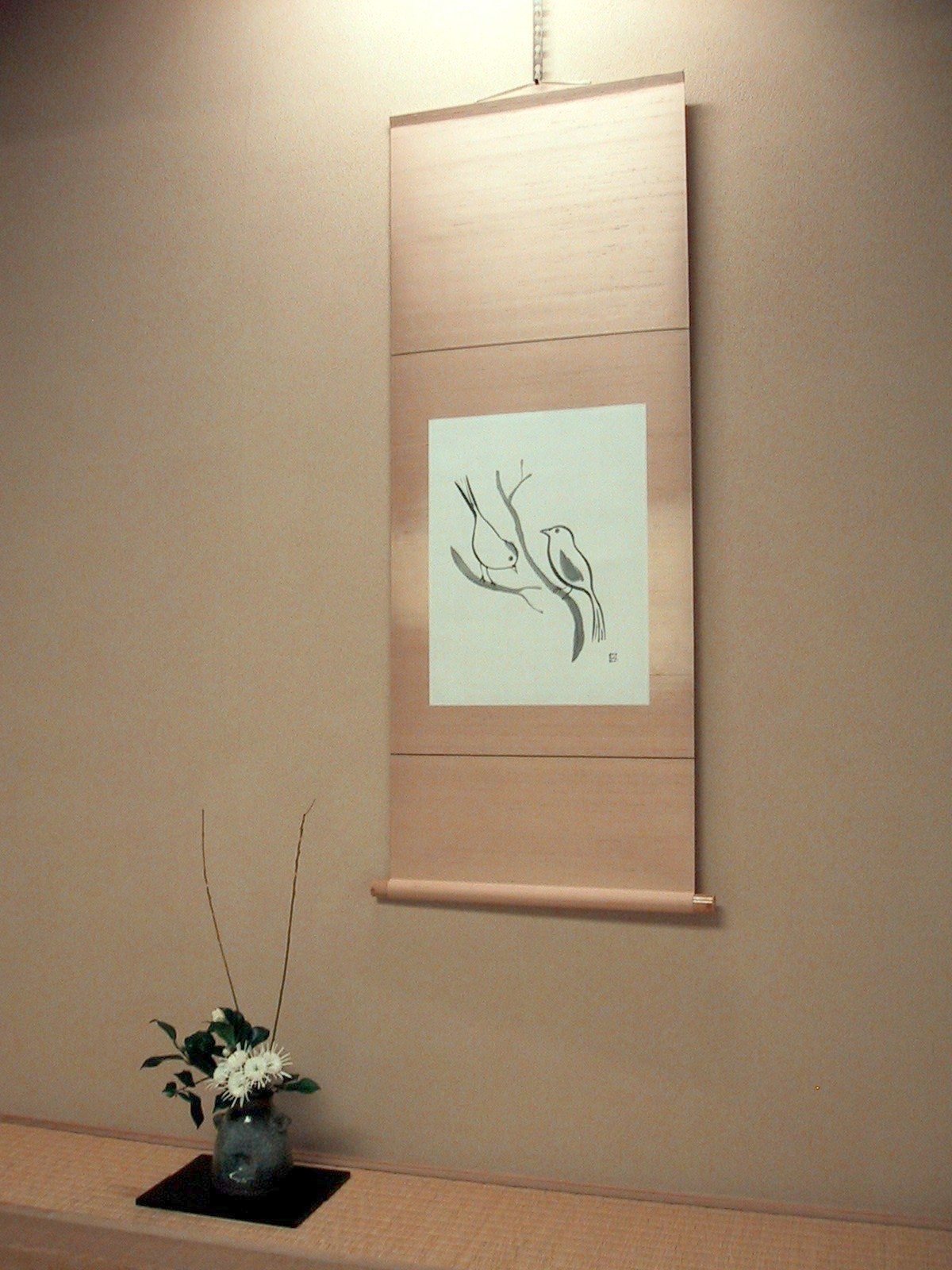
Ikebana appears in domestic interiors, formal ceremonies and the tea ceremony—where a simpler form known as cha-bana complements the ritual. Arrangements are used to mark seasons, celebrate events, convey respect or provide spiritual focus. Instruction ranges from traditional apprenticeships within a school to community classes and contemporary workshops that encourage personal expression. While once associated with elite circles—partly because early patrons were upper-class—the practice is now accessible to a wide public and taught in many cultural institutions.
Notable concepts and examples
Classic rikka compositions include references to natural features: branches may suggest a hill, a drooping element a waterfall, and intermediary stems a valley, evoking landscape on a small scale. These metaphorical correspondences reflect a broader Buddhist-influenced appreciation of nature as an object of contemplation. Modern practitioners continue to reinterpret these ideas, using native and non-native plants, unconventional containers and contemporary materials to expand ikebana's expressive range.
Learning and significance today
Learning ikebana combines technical skill—cutting, wiring and conditioning plant materials—with compositional judgment and symbolic literacy. Schools offer graded exercises from simple arrangements to complex formal pieces. While exact participation numbers vary, ikebana remains popular in Japan and abroad, taught by established schools and community groups and practiced by Japanese and international students alike. Its enduring appeal lies in the blend of craft, aesthetics and mindful attention to living materials.
For further introductions and school-specific information, see resources maintained by major ikebana organizations and local cultural centers. Many exhibitions and demonstrations provide an accessible way to experience the art form in person.
Related articles
Author
AlegsaOnline.com Ikebana: The Japanese Art of Living Flower Arrangement Leandro Alegsa
URL: https://en.alegsaonline.com/art/46658