
Nature: the natural world and its relationship with people
A concise overview of nature: what it is, its major components and processes, how humans interact with it, and the sciences and conservation efforts that study and protect it.
Overview
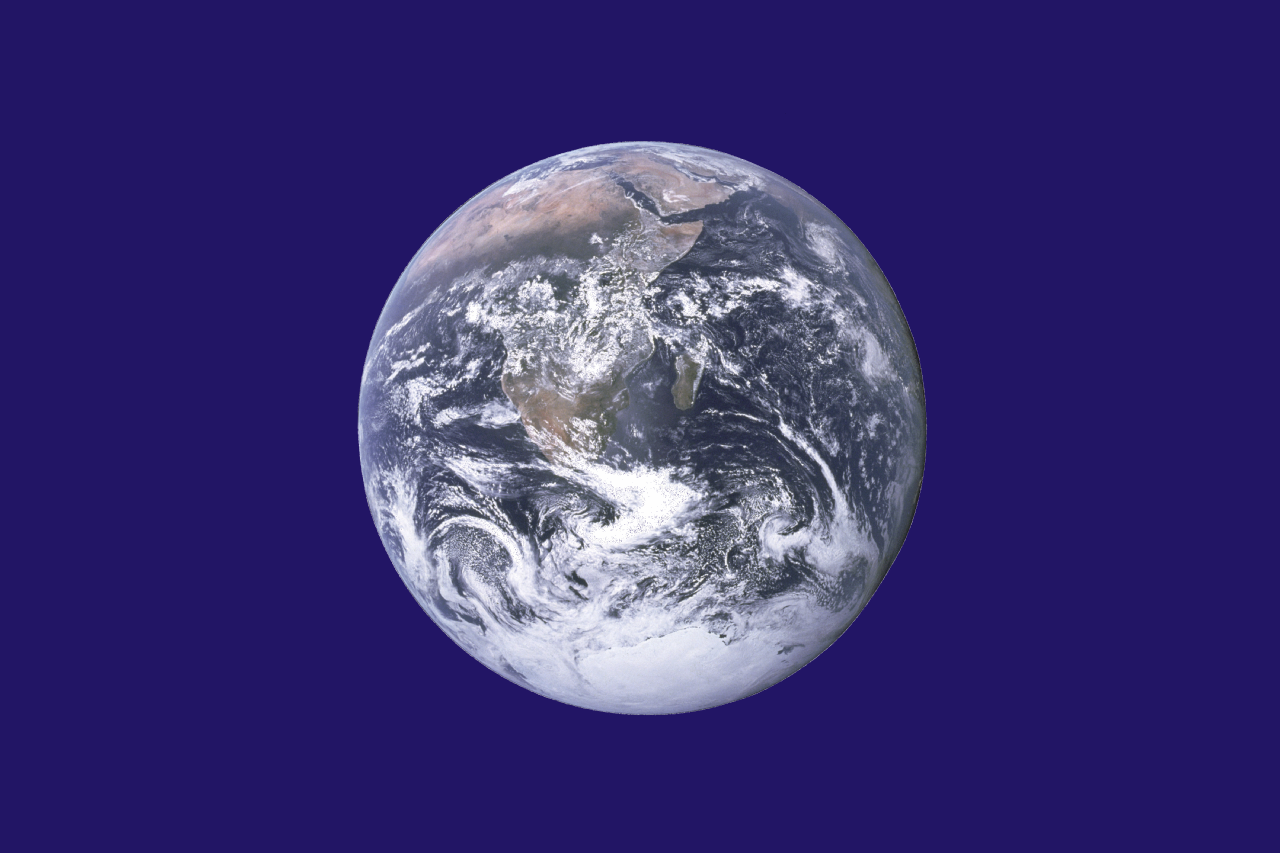
In common usage, "nature" refers to the physical world and those phenomena that arise without direct human design. It encompasses everything not intentionally created by people, a distinction sometimes described with the phrase not made by humans. The word traces to the Latin natura, originally meaning birth or innate character. In the broadest sense nature includes atmospheric patterns, living organisms, landscapes and planetary bodies.
Image gallery
10 Images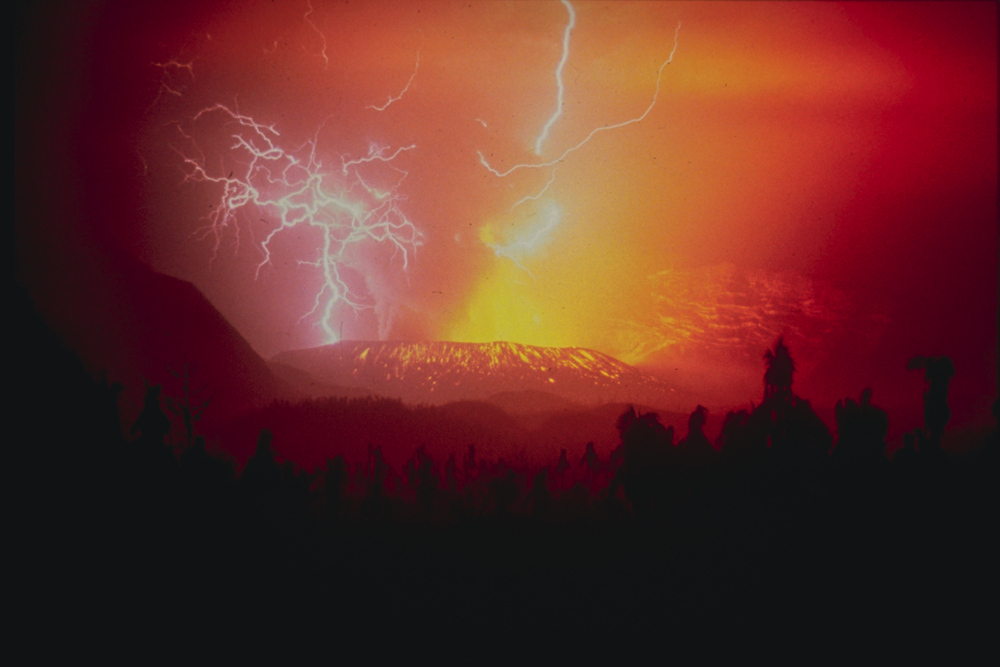


Major components and processes
Nature is a complex system made of interacting parts. Examples include:
- Weather and climate systems such as wind, precipitation and temperature regimes (weather).
- Living organisms—from microbes to plants and animals—and the ecosystems they form (biology and ecology study these).
- Physical landforms like mountains, rivers and plains (landforms), together with soils and sediments.
- Planetary and astronomical elements such as the Moon, Sun and other celestial bodies.
Origins, meaning and cultural perspectives
Ideas about nature have changed across cultures and history. Philosophers and early scientists debated whether humans are separate from or part of nature. Natural phenomena were long explained by tradition and religion; over time observational methods and experimentation gave rise to the modern sciences. The term also carries value judgments: something may be described as "natural" to imply wholesome, original, or unaided by technology.
Human interactions and impacts
Humans are biological creatures and a significant part of Earth’s natural systems, but human societies also alter those systems. People extract natural resources, cut down trees (deforestation), mine ores (mining) and cultivate land for crops (agriculture). Technologies and industry—cars, factories and sometimes uncontrolled fires—produce pollution and change habitats. These uses can create tensions between preservation and development (conflict), intensifying as human populations and urban areas grow.
Sciences that study nature
Formal study of the natural world spans many disciplines. The umbrella term natural sciences includes fields from physics (which examines fundamental matter and energy) to biology and ecology. Scientists and researchers (scientists) apply observation, measurement and experiment to explain natural laws and interactions. Medical science (medicine) applies biological knowledge to human health, illustrating how studying nature benefits societies.
Importance, uses and conservation
Nature supplies ecosystem services—clean air and water, pollination, fertile soil and resources for shelter and energy—that underpin economies and well-being. Conservation efforts aim to maintain biodiversity and ecological function through protected areas, sustainable management and restoration. Understanding the difference between what is man-made (artifacts) and what is natural helps frame policy and personal choices about resource use and stewardship.
For further reading on specific topics, follow specialized resources on weather, ecosystems, geology and environmental policy using the links above.
Related articles
Author
AlegsaOnline.com Nature: the natural world and its relationship with people Leandro Alegsa
URL: https://en.alegsaonline.com/art/68796