
Upper class: social definition, characteristics, history and influence
Overview of the social category known as the upper class: defining features, wealth and status, occupations and lifestyles, historical development, social roles and critiques.
The term upper class names a social grouping used in sociology and public discussion to describe people who occupy the highest positions in a society's hierarchy. Membership is commonly associated with concentrated power over economic and political life, control of key resources, and disproportionate influence on governmental decisions and public policy. The category is not strictly numerical: it blends measurable wealth with social status, institutional access and cultural standing.
Image gallery
4 Images

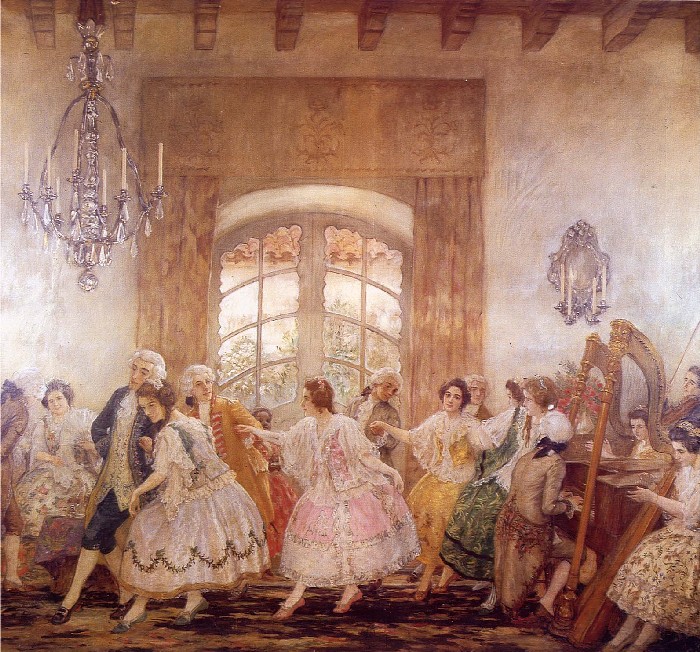
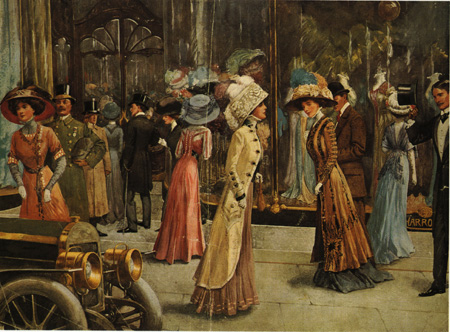
Characteristics and forms
People placed in the upper class often combine inherited or accumulated wealth, ownership of capital, and elite social networks. Financial assets—including major shareholdings, large businesses, or family estates—are visible signs, but social markers such as education at prestigious institutions, membership of exclusive clubs, and control of cultural institutions are equally important. Public perceptions of the upper class may focus on conspicuous consumption: yachts and luxury homes are frequent examples, but consumption patterns vary across eras and regions.
Historical development
The composition of the upper class has shifted over centuries. Traditional aristocracies drew status from landholding and noble titles. Industrialization and the expansion of markets produced a capitalist upper class of industrialists and financiers; in some periods a distinct category of extremely wealthy entrepreneurs—often identified as multimillionaires and billionaires—emerged. Ownership of luxury goods such as yachts or multiple residences, including large mansions, became common public images tied to elite status, as did the freedom to take extended vacations.
Occupations, wealth and lifestyle
Not all high earners are socially classed as upper class, and not everyone in the upper class derives status solely from income. Commonly associated professions and roles include:
- Doctors with significant private wealth or institutional leadership roles
- Owners and founders of large retail chains and corporations
- Professional athletes and entertainers
- Singers and musicians with sustained commercial success
- Actors who achieve long-term prominence
- High-ranking government officials and rulers in some systems
- Business magnates and major investors
These roles are examples rather than a definitive list: cultural elites, large landowners, heirs to family fortunes, and influential philanthropists also occupy upper-class positions in various societies.
Social significance and critiques
The upper class often plays an outsized role in shaping economic policy, cultural tastes and philanthropic agendas. Scholars distinguish between economic capital (wealth), social capital (networks), and cultural capital (education and manners) when analyzing the group's power. Debates about inequality, tax policy, and democratic accountability frequently center on upper-class influence. Critics point to barriers to social mobility, concentration of political power, and unequal access to opportunities, while defenders sometimes emphasize entrepreneurship, investment and philanthropic contributions made by wealthy individuals.
Distinctions and contemporary notes
Definitions and thresholds for being considered upper class vary by country, measure and researcher. Some use income percentiles (for example, references to the top one percent), others focus on wealth holdings, family background or cultural position. Importantly, public images—yachts, multiple homes and frequent leisure travel—are partial indicators; social class remains a multidimensional concept combining money, status and influence.
For further reading on the concept and debates surrounding social class, see specialist literature in sociology and economics, which examine both empirical measurements and cultural meanings of the upper class in different societies.
Related articles
Author
AlegsaOnline.com Upper class: social definition, characteristics, history and influence Leandro Alegsa
URL: https://en.alegsaonline.com/art/103481