
15th century (1401–1500): a century of exploration, art, and change
Survey of the 15th century (1401–1500): major events, cultural developments, technological advances, exploration, and the transition toward the early modern world.
The 15th century covers the years 1401 to 1500. It is widely seen as a bridge between the medieval world and the early modern era, marked by rapid changes in politics, commerce, technology and culture across Europe, Asia and beyond.
Image gallery
10 Images


Defining features
This century witnessed several converging developments. The spread of movable type printing made texts more available and sped the circulation of ideas. Advances in navigation, ship design and cartography expanded maritime travel. In western Europe, humanist scholarship and an invigorated visual arts movement—later called the Renaissance—reshaped literature, painting and architecture. At the same time, large empires in Asia and the Mediterranean continued to influence trade and diplomacy.
Major political and military events
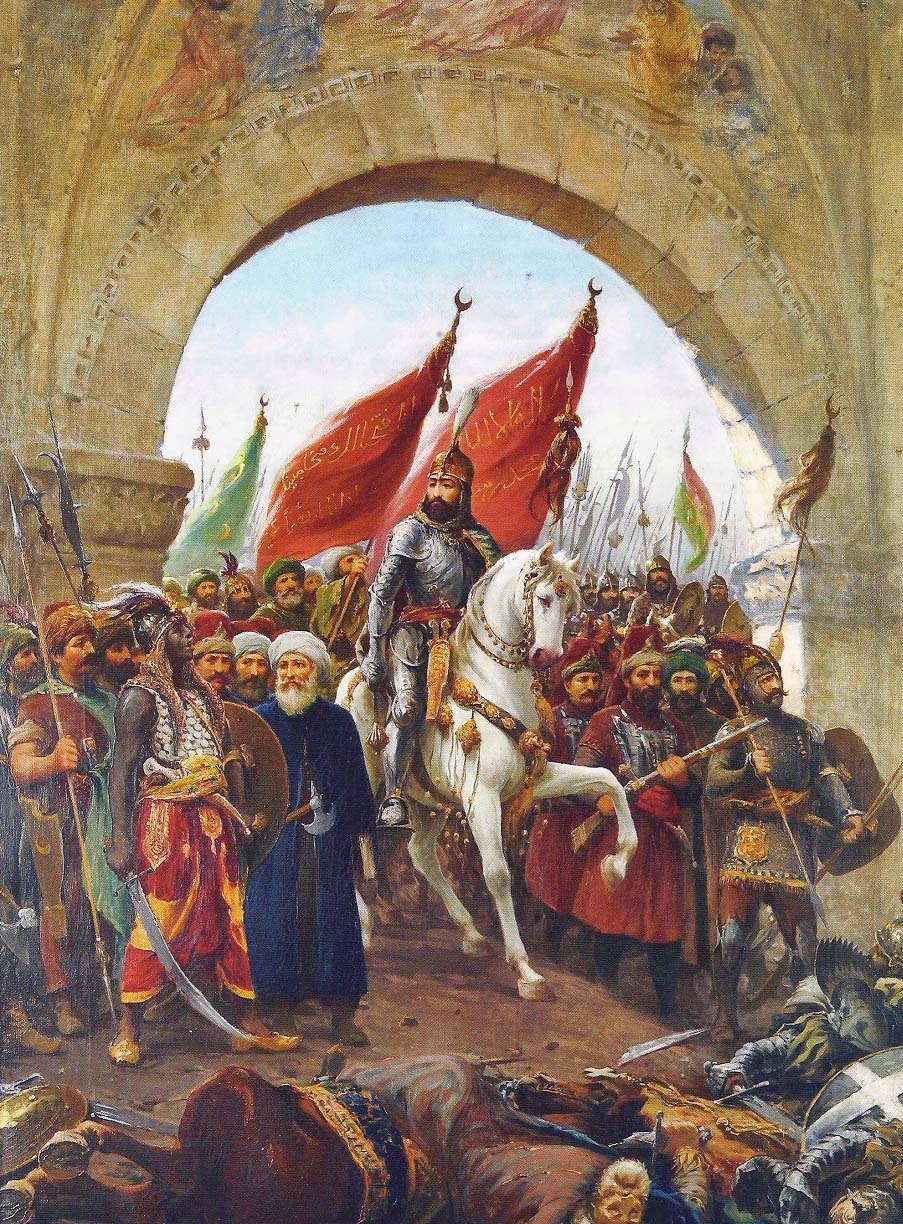
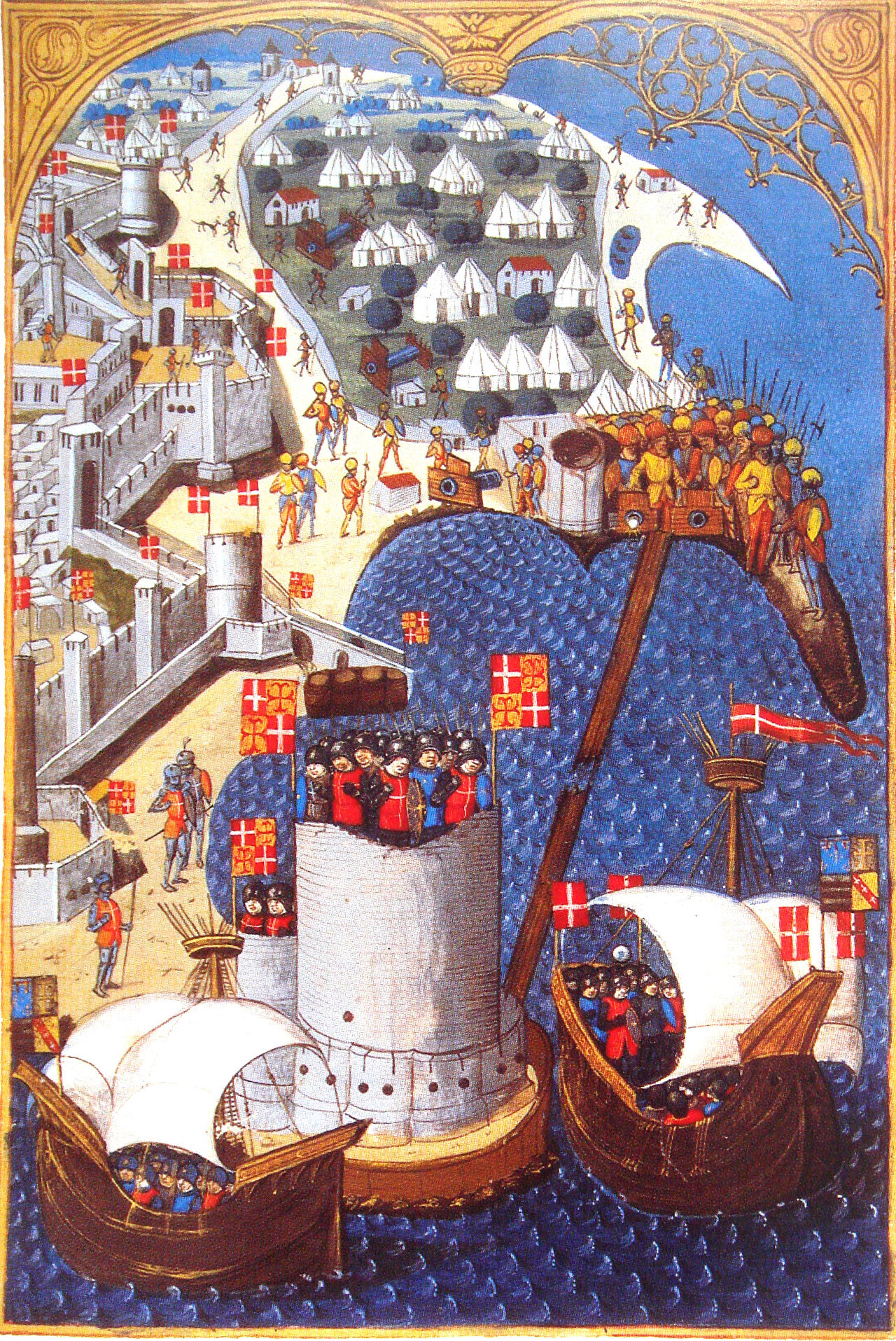
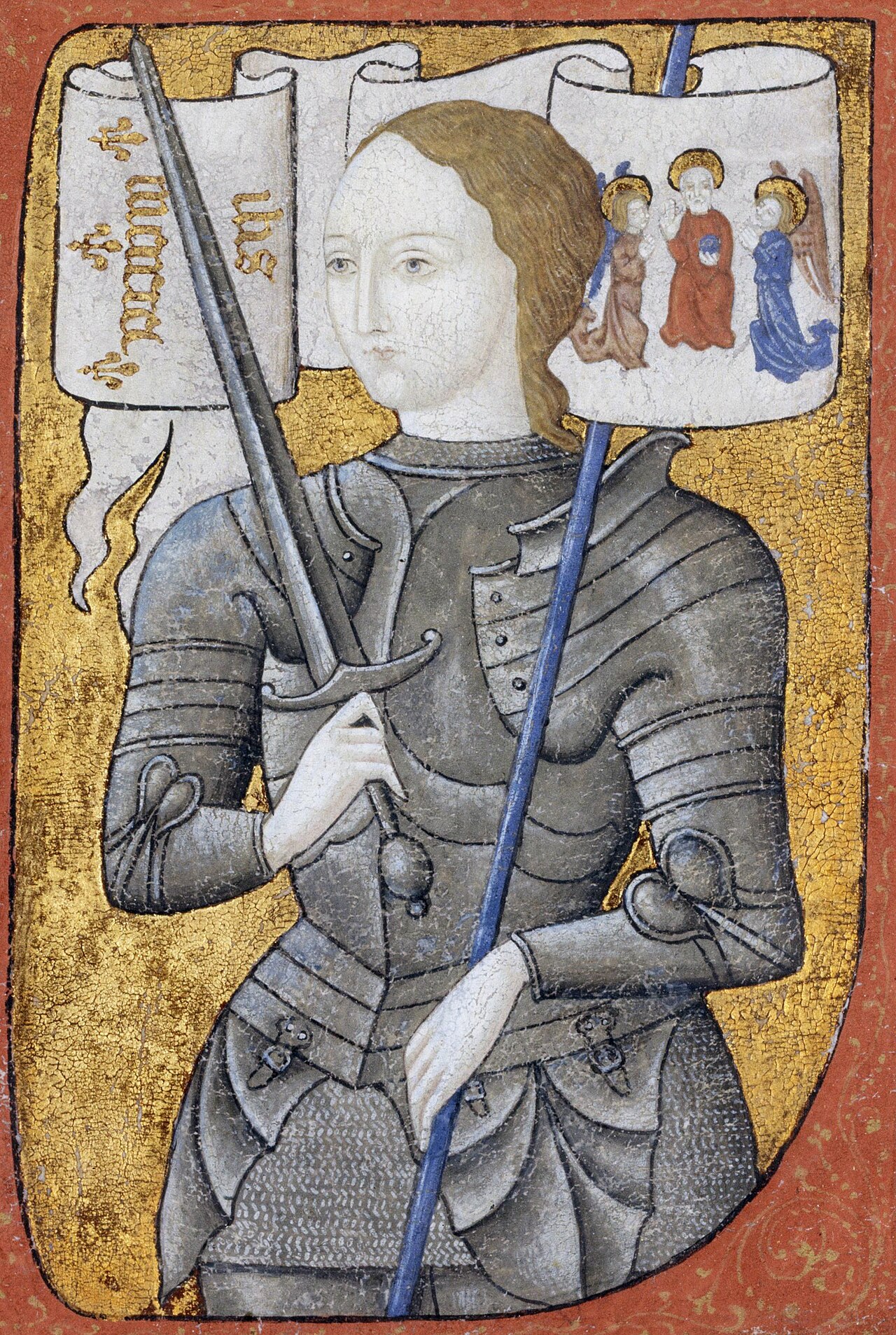
Key episodes included the capture of Constantinople in 1453, which altered trade routes and the balance of power in the eastern Mediterranean. The long conflicts between England and France ended mid-century, while dynastic struggles such as the Wars of the Roses affected English governance. Iberian kingdoms completed the Reconquista in 1492 and consolidated power under unified monarchies.
Exploration and global contact
Maritime ventures increased long-distance contacts. Portuguese expeditions down the African coast and around the Cape of Good Hope set the stage for new sea routes to Asia. In 1492 an Atlantic voyage funded by Spain reached lands in the Western Hemisphere, an event that is often marked as the beginning of sustained contact between Europe and the Americas. Diplomatic agreements of the 1490s sought to divide newly encountered territories among European powers.
Culture, science and economy
Art and learning flourished especially in Italian city-states and in courtly centers of northern Europe. Painters, sculptors and architects experimented with perspective and classical motifs. Banking and commerce expanded with families and institutions that financed trade and artistic patronage. Across Eurasia, powerful states—such as the Ming dynasty in China and the rising Ottoman realm—shaped regional economies and diplomatic networks.
Notable names and lasting influence
- Printers and inventors who advanced the spread of written works
- Explorers and navigators who opened new maritime routes
- Artists and humanists who transformed visual and intellectual life
The 15th century is therefore remembered less as an isolated epoch than as a period of transition. Its technological, cultural and geopolitical shifts laid important foundations for the broader transformations of the 16th century and the global patterns that followed.
Related articles
Author
AlegsaOnline.com 15th century (1401–1500): a century of exploration, art, and change Leandro Alegsa
URL: https://en.alegsaonline.com/art/111527