
Impasto: thickly applied paint and its effects
Impasto is a technique in which paint is laid on thickly so brush or knife marks are visible, producing texture and relief. Common in oil and acrylic painting and occasionally noted in pottery.
Overview
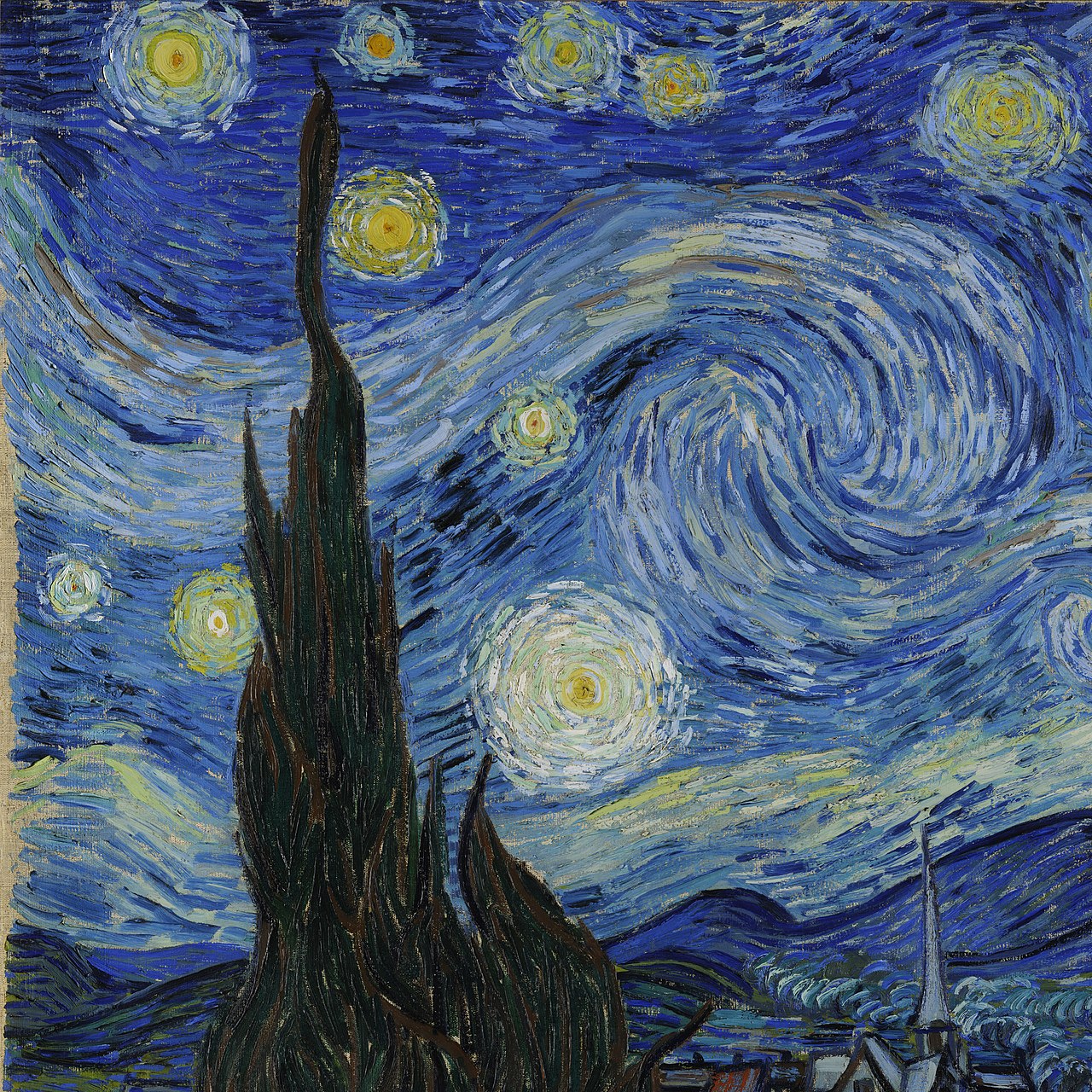
Impasto is a surface technique most often encountered in painting, where pigment is applied so thickly that strokes and ridges remain visible when the work dries. The raised layers create relief on the picture plane, changing how light and shadow read across the surface and drawing attention to the act of application as part of the image. The term itself comes from an Italian verb and has been used in art writing for centuries to describe this built-up, tactile finish; its linguistic roots are discussed further below.
Image gallery
5 Images



Characteristics and materials
Impasto is commonly produced with oil paints, which dry slowly and can be mixed to retain body and elasticity, but modern heavy-body acrylics are also used. The technique emphasizes physical texture and can vary from slight modeling to sculptural, protruding masses of paint. When dry, these raised areas alter the perception of color and texture, catch highlights differently than flat paint, and can cast tiny shadows that contribute to the overall composition.
Tools and techniques
Artists achieve impasto with brushes of different sizes, bristle stiffness, or with metal palette knives and painting knives that spread, layer, or carve the paint. Methods include additive application (placing thick paint on top of layers), subtraction (scraping away while wet), and mixing pigments with cold wax or impasto medium to increase body. Skilled handling controls drying, adhesion, and the sculptural quality of the paint.
History and notable use
Use of raised paint has precedents in seventeenth- and eighteenth-century painting when highlights were applied thickly, but impasto became prominent as a visible expressive device for many later artists. Painters ranging from Baroque masters to Impressionists and Post-Impressionists explored thick handling to convey light, movement, or emotion. Vincent van Gogh is a well-known example whose heavily worked surfaces make brushstrokes a central element of expression.
Applications, examples and pottery
Beyond canvas painting, the word impasto has occasionally been applied to ceramics and pottery to describe thickly applied slip or raised decoration that produces relief on a vessel's surface; this use is less common but reflects the same idea of physically prominent material in the finished work. In contemporary practice impasto can serve descriptive, expressive, or optical roles: it can emphasize a subject, suggest motion, or create a tactile counterpoint to fine detail.
Conservation and distinctions
Thick paint layers present distinct conservation challenges: they are more prone to drying stress, cracking, dirt accumulation in crevices, and mechanical damage because protruding paint is vulnerable to abrasion. Varnishing and cleaning require care to avoid changing surface gloss or trapping dirt. Impasto differs from thin, transparent techniques such as glazing or scumbling; those rely on layered translucency, while impasto depends on physical mass and relief to affect appearance.
Practical notes and summary
- Typical media: oil, heavy-body acrylics, sometimes mixed with impasto medium.
- Tools: hog bristle brushes, palette knives, painting knives, sometimes combs or rakes to texture surfaces.
- Effects: increased tactile presence, altered light reflection, emphasized stroke and gesture.
- Care: stabilize supports, control drying, avoid extreme handling to reduce cracking.
For a basic starting point on techniques and historical context consult resources on painting practice and terminology: painting techniques, ceramic decoration notes at pottery resources, discussions of surface and texture, and etymological references for the Italian origin of the word at language and art history.
Questions and answers
Q: What is Impasto?
A: Impasto is a technique in painting and pottery where the paint is applied thickly in some areas to create visible brush or painting-knife strokes.
Q: What is the purpose of using Impasto?
A: Impasto is used to create texture in paintings and pottery by making some of the paint stand out from the canvas.
Q: Where does the term Impasto come from?
A: Impasto is an Italian word that means "to knead" or "to paste".
Q: What materials are needed to use Impasto in painting?
A: To use Impasto in painting, one needs paint, a brush, and a painting-knife.
Q: What kind of effect does Impasto create?
A: Impasto creates a textured effect by adding depth and dimension to a painting.
Q: Is Impasto only used in painting?
A: No, Impasto is also used in pottery to create texture and depth in the final product.
Q: How does Impasto affect the drying time of the paint?
A: Impasto can prolong the drying time of the paint due to the thickness of the paint applied.
Related articles
Author
AlegsaOnline.com Impasto: thickly applied paint and its effects Leandro Alegsa
URL: https://en.alegsaonline.com/art/46870