
Vase — forms, materials, techniques, uses, and cultural significance
Overview of vase forms, materials, craft techniques, uses and cultural meaning—from glass and ceramics to metal and stone, covering historic types, decorative finishes, practical roles and ritual uses.
A vase is a hollow vessel designed to hold or display plant material, liquids, or small objects. Vases are most commonly associated with flowers, but their shapes and sizes vary widely depending on purpose and style.
Image gallery
10 Images

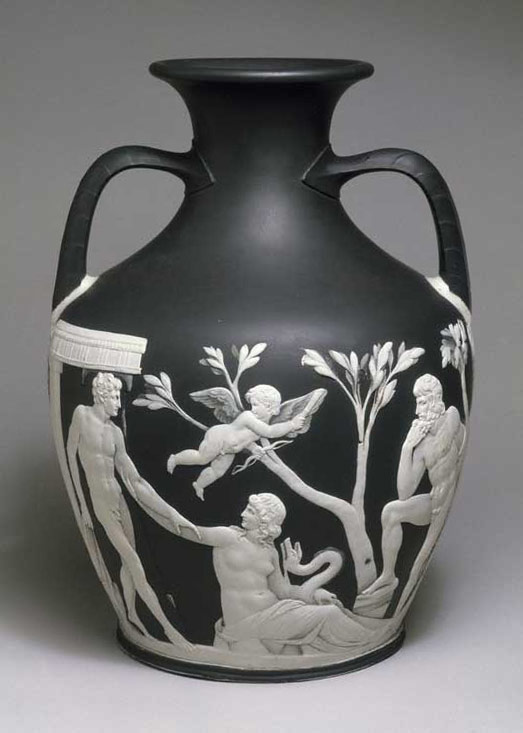


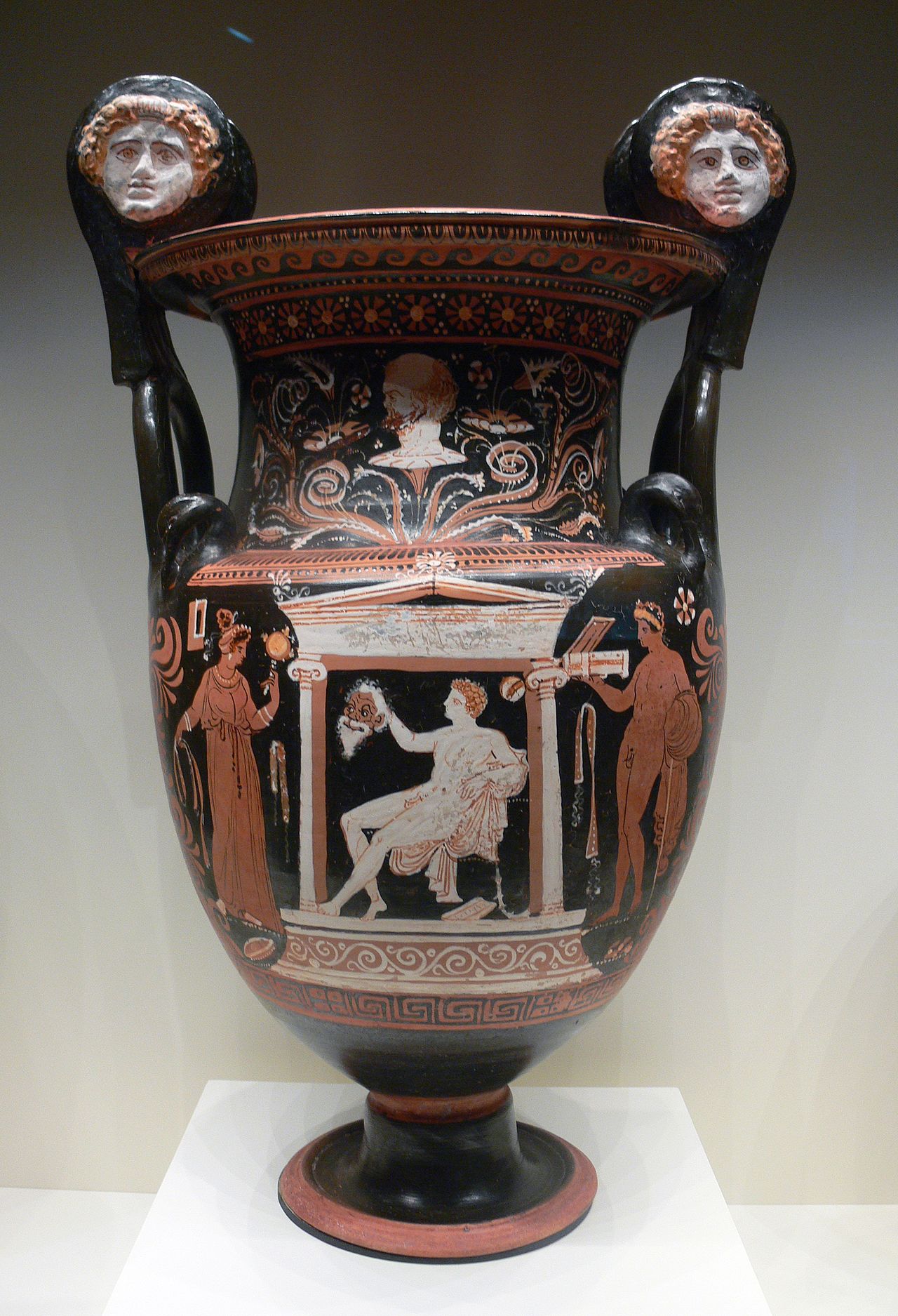

Materials and construction
Vases are produced from many substances. Common choices include glass and ceramics, both of which can be formed into thin-walled, translucent, or robust vessels. Metal, stone, and wood have also been used historically and in contemporary craftwork. Techniques range from glassblowing and wheel-thrown pottery to casting and carving.
Typical uses
- Holding cut or arranged flowers.
- Serving as decorative objects on their own.
- Functioning as containers in ceremonial, funerary, or domestic contexts.
- Collectible and display pieces in museums and private collections.
Decoration and styles
Many vases are finished with surface treatments—glazes, inlays, relief work, or painted imagery—to enhance appearance or convey meaning. Some remain plain to emphasize form or material. Historic examples often carry painted scenes or motifs; in modern practice artists continue to experiment with color, texture, and pattern (painted and otherwise).
Cultural significance
Vases appear in the archaeological record and in the decorative arts of many societies. They can play roles in household ornamentation, ritual practice, and artistic expression. For example, vases are commonly used for display in both American and Chinese homes, reflecting different aesthetic traditions and cultural practices.
Common vase types
- Bud vase — small, for a single stem or a few small flowers.
- Amphora — a two-handled storage form seen in ancient contexts.
- Urn — often larger and used for ashes or formal displays.
- Ewer — a pitcher-like vase used historically for pouring liquids.
Related articles
Author
AlegsaOnline.com Vase — forms, materials, techniques, uses, and cultural significance Leandro Alegsa
URL: https://en.alegsaonline.com/art/104305