
Waterfall: formation, types, and significance
A waterfall is where flowing water drops over a vertical or near-vertical edge. This article explains how waterfalls form, their parts and types, ecological and cultural importance, and notable examples.
Overview
A waterfall is a point along a stream or river where water descends abruptly over a rock ledge to a lower level. The falling water often produces spray, mist and a loud, characteristic roar. Waterfalls occur in many climates and landscapes, from small woodland cataracts to vast, multi-tiered giants. They are dynamic features that evolve as water and weather reshape the underlying rock.
Image gallery
10 Images




Formation and structure
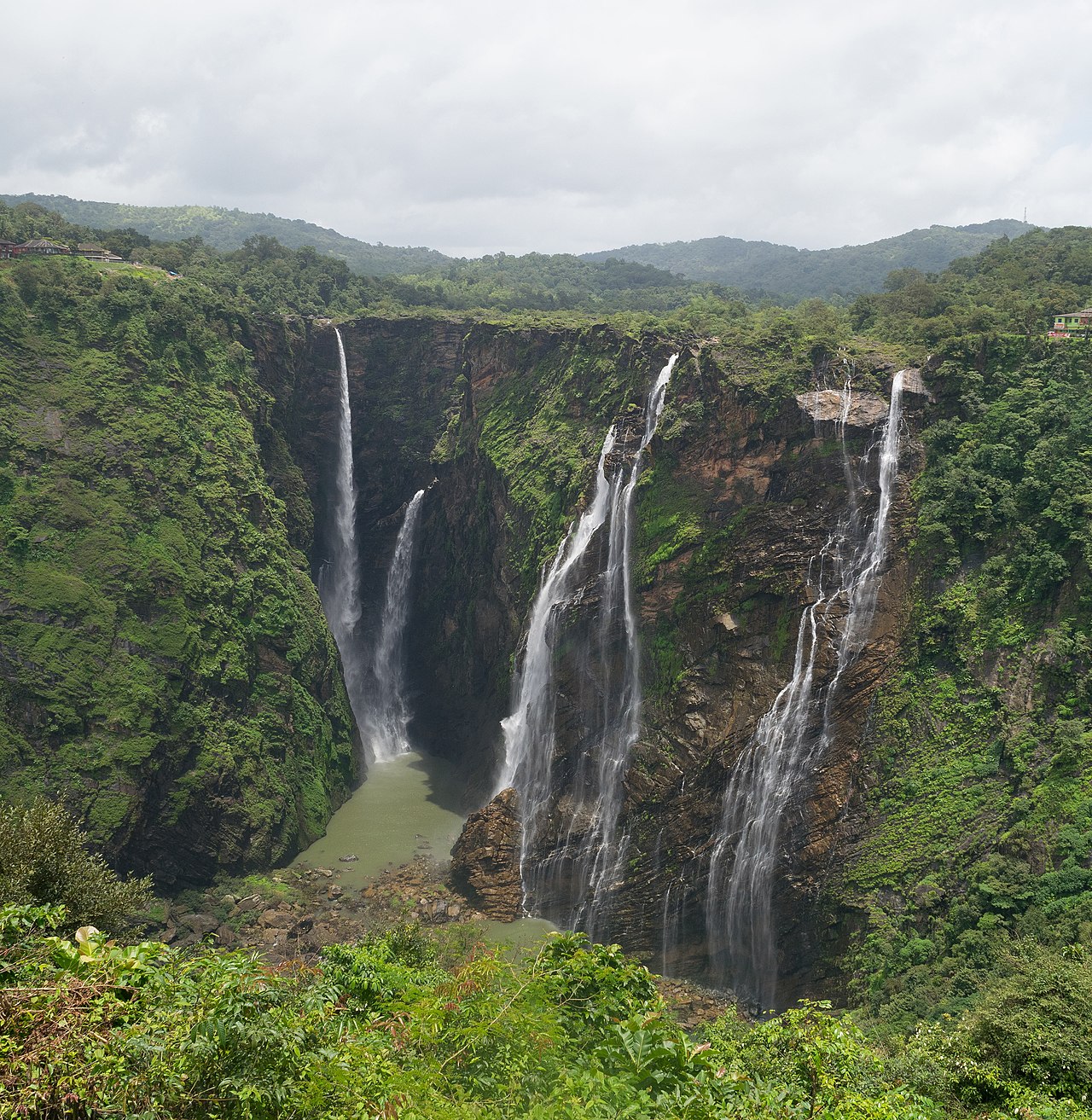
Most waterfalls develop where layers of rock differ in resistance to erosion: a harder, more resistant cap rock overlies softer strata. As the softer rock erodes faster, an overhang forms and eventually collapses, causing the waterfall to retreat upstream. Common structural elements include the lip or brink where the drop begins, the plunge pool scoured at the base by falling water, and a gorge or steep-sided channel carved downstream. Seasonal flow, sediment load and bedrock composition all influence a fall's shape and longevity. For more on geological processes see geology resources.
Types and characteristics
Waterfalls are described by how water moves over the rock. Typical categories include:
- Plunge — water drops vertically losing contact with the bedrock.
- Horsetail — water maintains some contact with the rock as it descends.
- Cascade — series of small steps or drops.
- Tiered — multiple distinct drops separated by pools.
- Block or ribbon — broad sheets of water falling over a wide crest.
Local names and detailed subtypes vary among geographers and park managers; a practical introduction is available at educational guides.
Uses, tourism and cultural importance
Waterfalls attract visitors for their scenic beauty, photographic opportunities and recreational activities such as hiking, swimming (where safe), and guided viewing. They inspire art, literature and spiritual traditions in many cultures. In some regions waterfalls influence local economies through tourism and contribute to freshwater ecosystems by oxygenating water and creating unique habitats. For information on visiting responsibly, consult visitor guidance.
Notable examples and distinctions
Well-known waterfalls illustrate different qualities: Angel Falls in Venezuela is famous for its dramatic, nearly uninterrupted drop of about 979 m and is often cited among the tallest; Victoria Falls on the Zambezi is celebrated for its breadth and seasonal spray; Niagara Falls is noted for high flow and hydroelectric development; Iguazu Falls is admired for its extensive system of cascades and biodiversity. Readers seeking comparisons and records can refer to reference summaries.
Conservation and hazards
Waterfalls are sensitive to changes in watershed land use, damming, and climate-driven shifts in flow. They can pose hazards — strong currents, slippery rocks, sudden flooding and unstable cliffs — so safety measures and conservation planning are important. For conservation initiatives and safety recommendations see conservation resources.
Waterfalls continue to fascinate scientists and the public alike: they are geological processes in motion, ecological hotspots, and cultural landmarks.
Related articles
Author
AlegsaOnline.com Waterfall: formation, types, and significance Leandro Alegsa
URL: https://en.alegsaonline.com/art/106831
Sources
- world-waterfalls.com : "World Waterfall Database: World's Tallest Waterfalls"