
Illustration: purpose, forms, history and uses
An overview of illustration: its forms, functions, history and practical uses in publishing, advertising and visual communication.
Overview
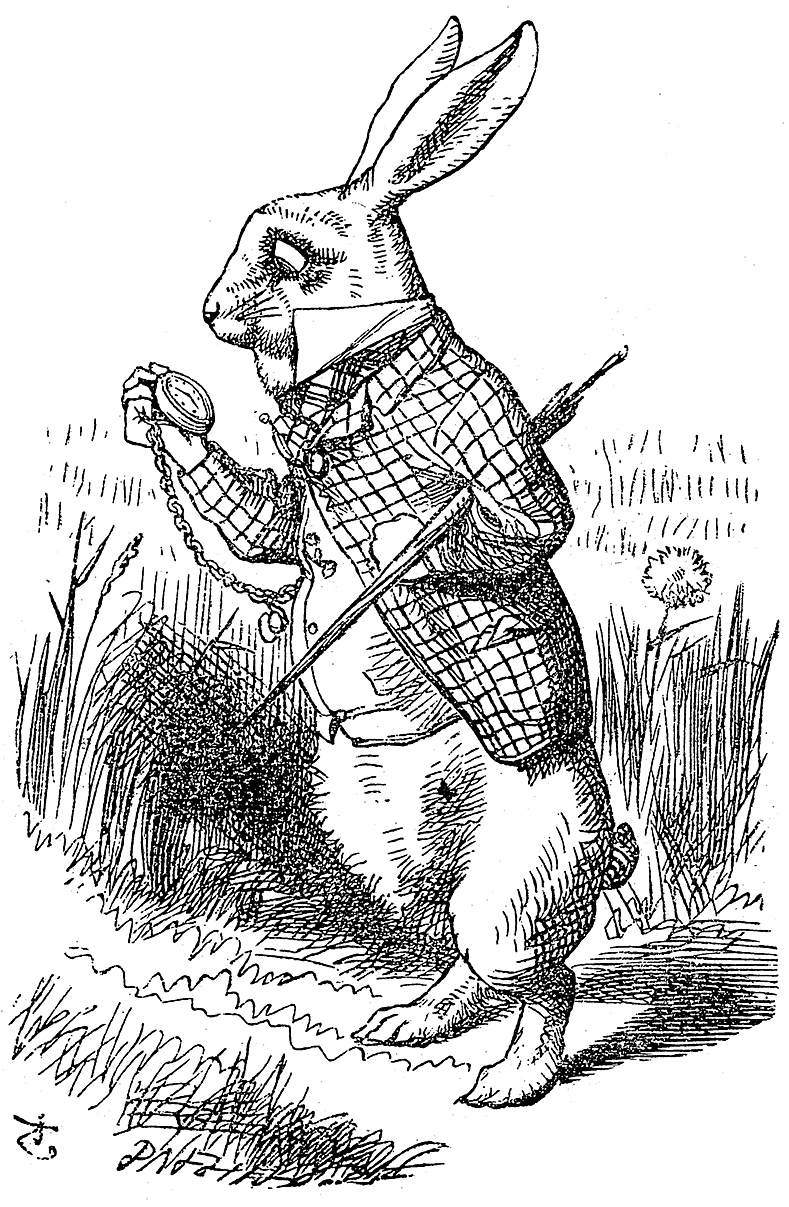
An illustration is a visual image created to clarify, explain or decorate text or ideas. Unlike fine art made primarily for self-contained aesthetic experience, illustrations are usually produced to support another message or narrative. They may appear as a drawing, painting, photograph or digital image and are often designed to direct the viewer's attention to the subject rather than to the technique alone. For an example image see illustrative example.
Image gallery
5 Images


Forms and characteristics
Illustrations vary by medium and style. Traditional forms include line drawings, watercolor or oil paintings and engraved plates; contemporary practice adds photography, collage and digital painting. Common characteristics are clarity of composition, emphasis on legibility of the idea, and a compositional relationship between image and accompanying text. A careful illustration balances aesthetic interest with communicative clarity; artists may use stylization, perspective, color, and typography to enhance meaning. See typical techniques such as drawing and painting.
Brief history and development
Illustration has existed wherever images support storytelling or instruction: ancient manuscripts used illuminated images to explain religious and scientific subjects, and woodcuts and copper engravings made images widely available with printed books from the 15th century onward. The 19th and early 20th centuries saw a boom in magazine and book illustration, while photography and later digital tools expanded the range and speed of production. Contemporary illustration blends long-established craft with computer tools for editorial, commercial and entertainment work. Historical examples range from illuminated texts to serialized illustrations in newspapers and journals; contemporary practice often crosses into animation and multimedia. Traditional and digital practices remain complementary in many studios and workshops; see related art forms illustration as art.
Uses and contexts
Illustrations serve a wide range of practical purposes and audiences. Common contexts include:
- Publishing: book covers, internal plates, children's books and textbooks.
- Editorial: images that accompany news stories or magazine features, clarifying complex topics.
- Advertising and branding: visuals that represent products, concepts or campaigns.
- Instructional and technical: diagrams, charts and procedural drawings used in manuals and educational materials.
- Entertainment and sequential art: comics, graphic novels and storyboards for film and animation.
Newspapers and periodicals traditionally relied on illustrations and photographs to augment reporting and to attract readers; a historical example appears in many national newspapers, and modern pieces still use editorial art in articles.
Distinctions and notable facts
Illustration is distinct from pure fine art in its intentional relationship to a separate narrative or utility: the image is often created to work in tandem with words or a function. At the same time, illustrations can achieve high artistic value and cultural significance. The profession includes illustrators, art directors, concept artists and medical or scientific illustrators who combine specialized knowledge with visual skill. Licensing, copyright and reproduction rights are practical considerations in commercial and publishing contexts.
In practice, the best illustrations communicate quickly, complement the accompanying material and remain visually engaging. Whether hand-made or digitally produced, they continue to be a vital element in education, media and visual culture.
Related articles
Author
AlegsaOnline.com Illustration: purpose, forms, history and uses Leandro Alegsa
URL: https://en.alegsaonline.com/art/46748