
Japanese language (Nihongo)
Overview of the Japanese language: classification, writing systems, grammar features, historical influences, uses, and notable distinctions for learners and researchers.
Overview
The Japanese language, commonly called Nihongo, is the primary language of Japan and a major language of East Asia. It is generally placed in the Japonic family, which also contains the Ryukyuan languages spoken in the Ryukyu Islands. Scholars have proposed links between Japanese and other families — for example Korean, Austronesian, and even Dravidian or the disputed Altaic hypothesis — but none of these are universally accepted and some remain controversial.
Image gallery
6 Images


Writing systems
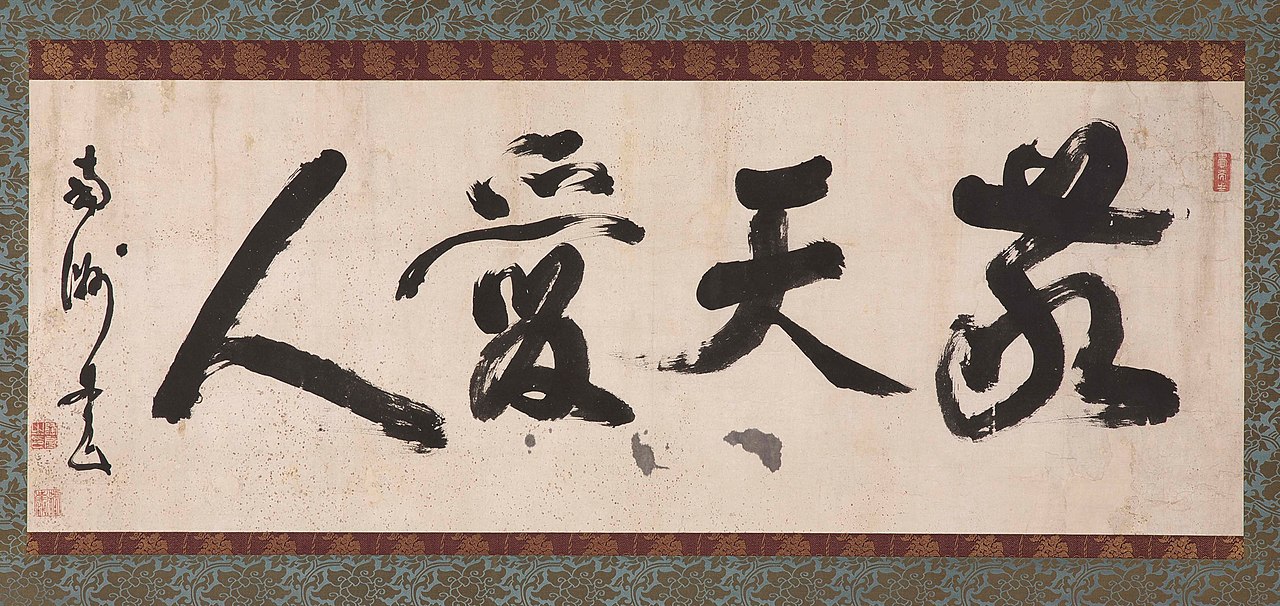
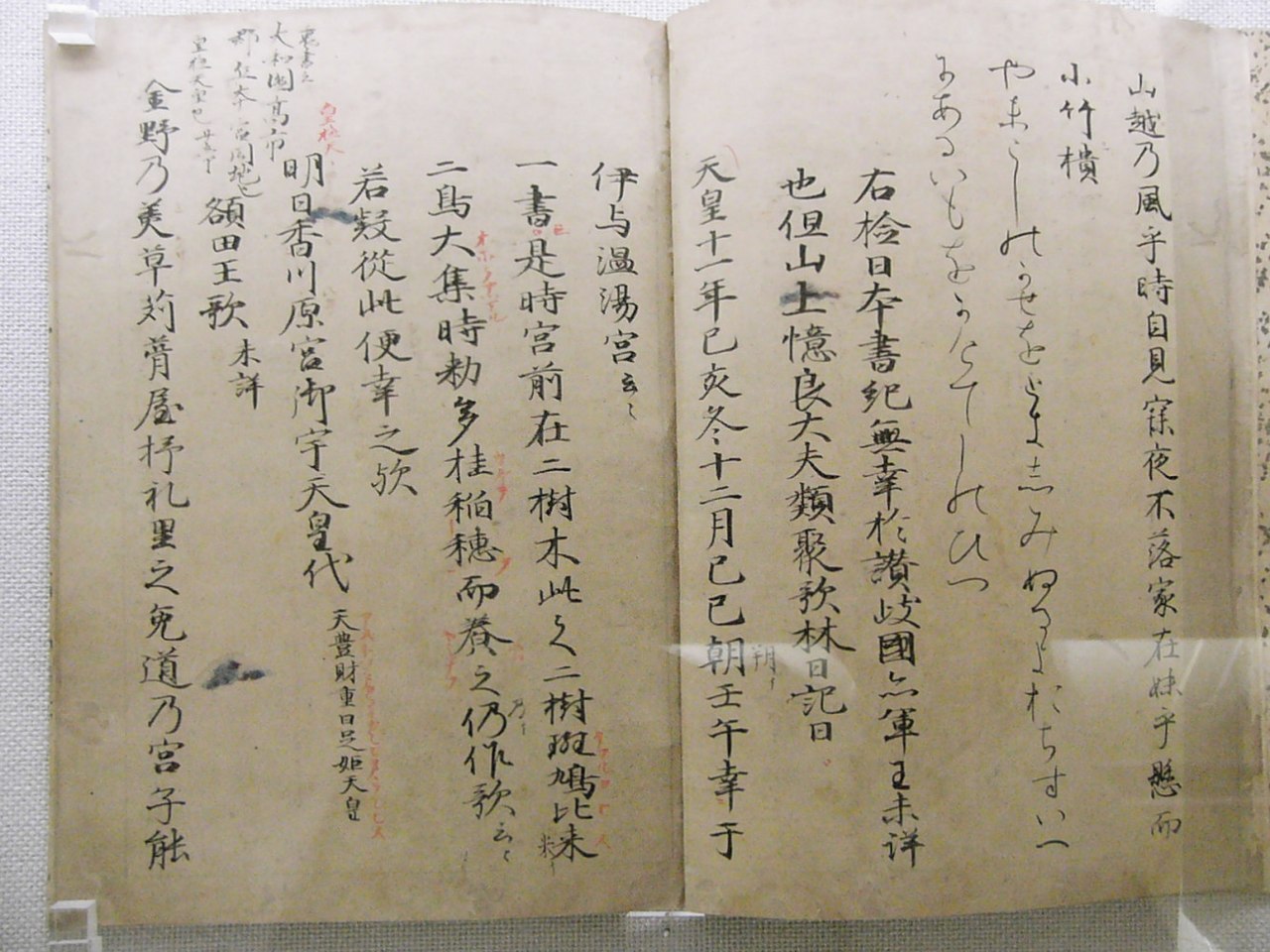
Modern Japanese uses a mix of three scripts that perform different roles. Hiragana is a phonetic syllabary used for native words, inflections, and grammatical elements. Katakana is a parallel syllabary mainly used for loanwords, onomatopoeia, and emphasis. Kanji are Chinese-derived characters that convey lexical meaning. All three systems are commonly combined within the same sentence: kanji for core words, hiragana for endings, and katakana for foreign or emphasized items.
Grammar and sound
Japanese is typologically an agglutinative language with a basic subject–object–verb order and extensive use of particles to mark grammatical relations. It lacks grammatical gender and has relatively simple consonant and vowel inventories compared with many languages. Grammatical information is often encoded by changing word endings or attaching suffixes, and polite or plain forms alter verb endings rather than word order. These features contrast with languages like English, where word order is a primary cue to syntax.
History and external influence
Japanese has a long written history shaped by contact with China and later with the wider world. Chinese introduced kanji and many vocabulary items centuries ago; during the modern era, increased contact with Europe and the United States brought many Western concepts and loanwords. After World War II, English had a particularly strong influence on everyday vocabulary and technical terms — for example the borrowed term for ice cream, often written as aisukurīmu.
Uses, education and dialects
In Japanese schools the language studied as a subject is usually called kokugo ("national language"). Standard Japanese is based on the Tokyo dialect, but the country includes a range of regional dialects with differences in pronunciation, vocabulary and grammar. The Ryukyuan languages, while related, are distinct enough to be considered separate languages rather than dialects of Japanese.
Notable features and practical notes
- Honorifics and politeness levels are central to expression: verbs and vocabulary change to signal respect, social distance and formality.
- Topic marking (with the particle wa) differs from subject marking and shapes discourse structure.
- Loanwords are often adapted to the syllabic writing systems; katakana shows many modern borrowings.
- For learners, mastering three scripts and basic particles is a practical early goal; reading fluency requires knowledge of common kanji plus context.
For further general introductions and resources on pronunciation, grammar and usage, see introductory grammars and language courses or consult language-study portals represented here: official language information, general linguistic surveys (names and terms), and comparative studies of Asian language families (Austronesian links, Korean comparisons). Additional reading can be found via scholarly and educational portals at East Asian studies and collection catalogs (Japonic research, Ryukyuan resources).
Questions and answers
Q: What is the official language of Japan?
A: The official language of Japan is Japanese.
Q: What language family does Japanese belong to?
A: Japanese belongs to the Japonic language family, which also includes the endangered Ryukyuan languages.
Q: Are Japanese and Korean related?
A: One theory says that Japanese and Korean are related, but most linguists no longer think so.
Q: How many writing systems does Japanese use?
A:Japanese uses three separate writing systems - hiragana, katakana, and kanji.
Q: How do these writing systems differ from each other?
A: Hiragana and katakana are phonetic systems and show the pronunciation of Japanese words, while kanji is a variation of Chinese characters that shows the meaning of words.
Q: How do English sentences differ from those in Japanese?
A: In English, differences between sentences are often made by changing word order; however in Japanese this can be done by adding or changing suffixes at the end of words.
Q: Did any English words enter into the Japanese language after World War II?
A: Yes, many English words entered into the Japanese language after World War II as loanwords. An example would be “アイスクリーム” (aisukurīmu), meaning “ice cream”.
Related articles
Author
AlegsaOnline.com Japanese language (Nihongo) Leandro Alegsa
URL: https://en.alegsaonline.com/art/49531
Sources
- glottolog.org : "Nuclear Japanese"