
Hurricane Isabel (2003)
Major Atlantic hurricane in September 2003 that struck the U.S. mid‑Atlantic and Outer Banks, causing widespread flooding, power outages and billions in damage.
Overview
Hurricane Isabel was the most destructive storm of the 2003 Atlantic season, becoming a long‑lived major hurricane that affected a large portion of the eastern United States. It originated from a tropical disturbance and strengthened over the open ocean before bringing strong winds, storm surge and heavy rain to coastal and inland areas in mid‑September. Isabel is often cited in discussions of late‑season Atlantic hazards and preparedness.
Image gallery
10 Images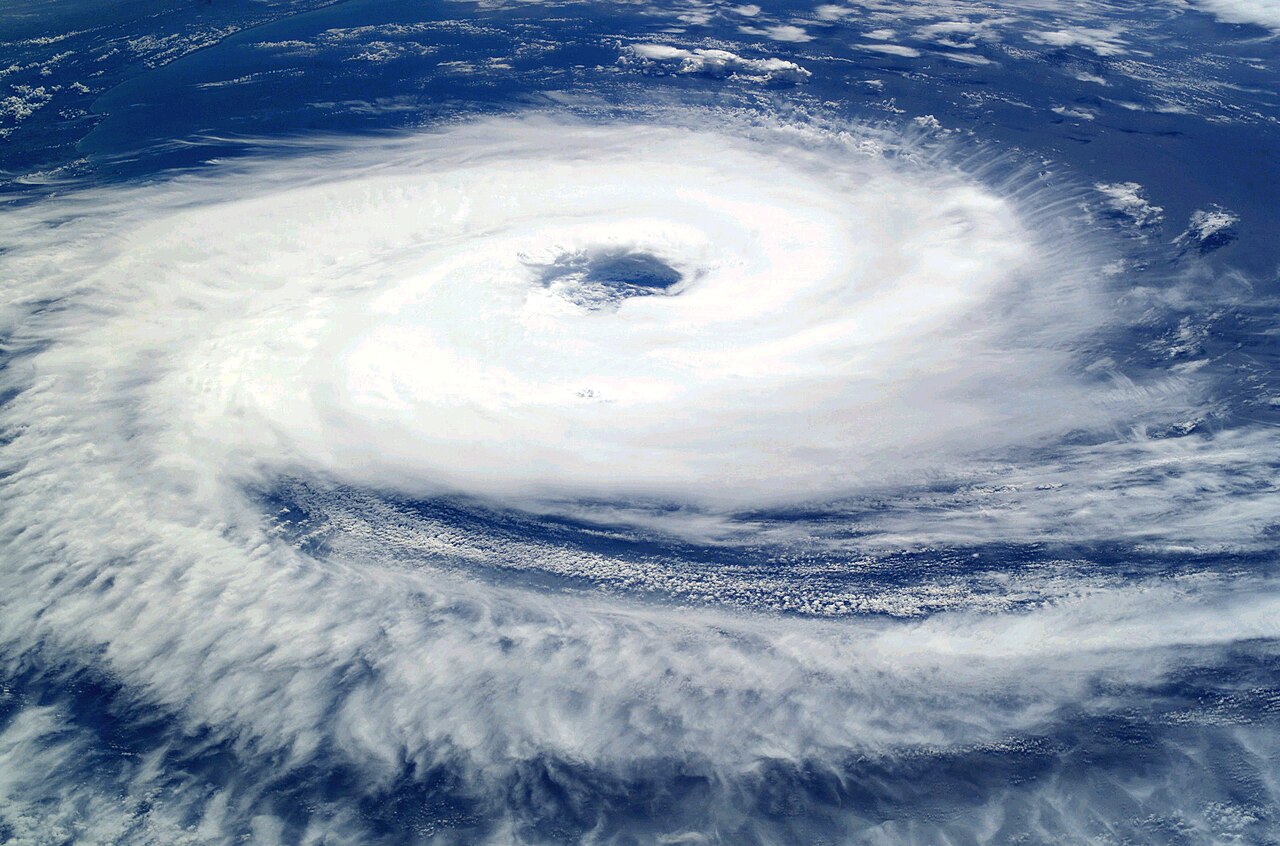


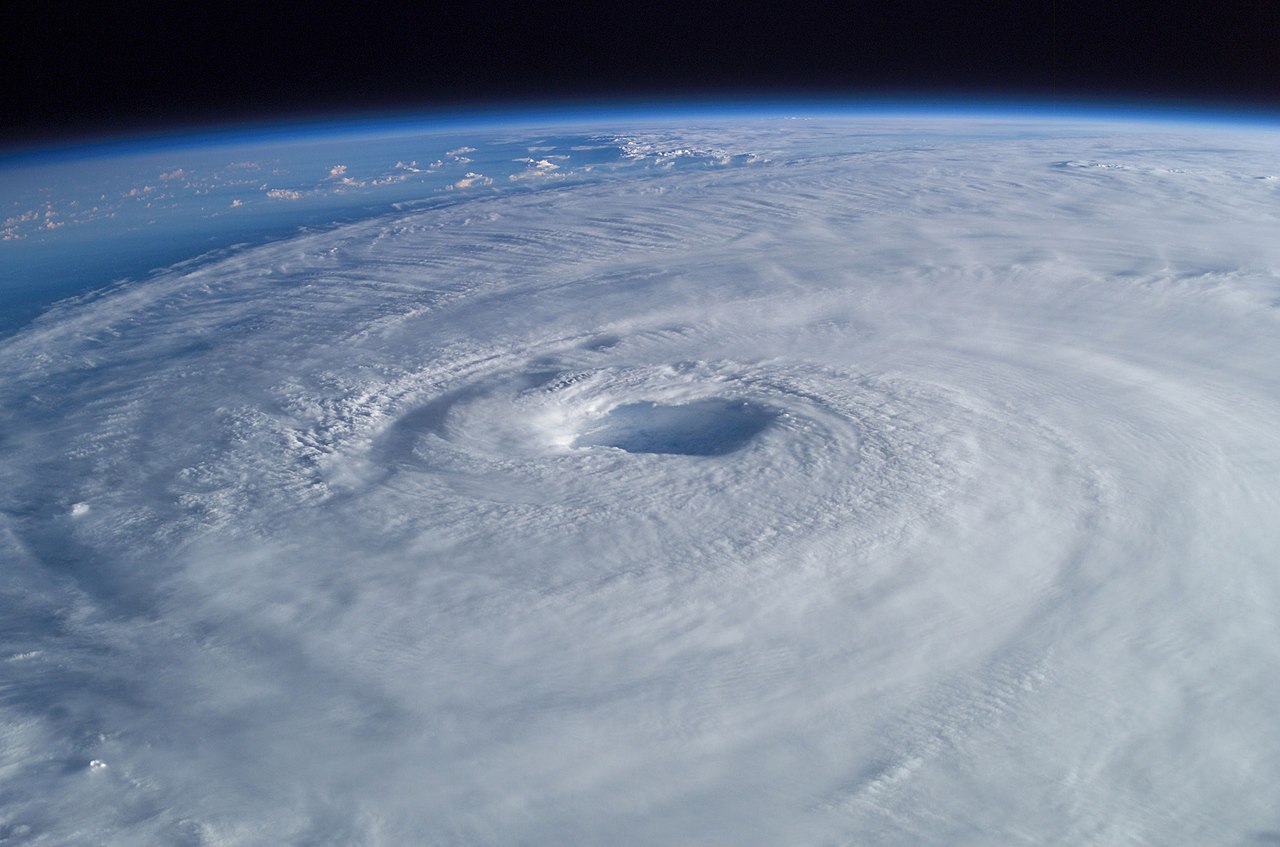


Meteorological history and characteristics
The system that became Isabel began as a tropical wave: early development is attributed to a disturbance moving westward through the subtropical Atlantic. As the wave organized over the tropical Atlantic Ocean, it gradually consolidated into a tropical depression and later into a named storm during the busy 2003 Atlantic hurricane season. Isabel intensified to a major hurricane, reaching peak sustained winds typical of a Category 5 on some advisories, before fluctuating in strength over several days. The storm tracked generally northwestward, then curved toward the U.S. Southeast and made landfall on the Outer Banks of North Carolina, producing a powerful storm surge and rapid weakening inland.
Impacts by region
Damage was concentrated along barrier islands and the mid‑Atlantic coastline. The Outer Banks saw extensive overwash and breaches, including a notable inlet that opened where Hatteras Island was cut. The state of North Carolina and neighboring Virginia sustained the majority of structural damage and most deaths. In Virginia, the Hampton Roads area along with shores of the James River experienced severe flooding and infrastructure losses; the Hampton Roads region is often referenced in post‑storm analyses for its vulnerability to coastal surge (Hampton Roads).
Wider effects and statistics
Isabel produced rainfall that extended up the eastern seaboard and inland. Reports documented precipitation from South Carolina northward through Maine and westward into states such as Michigan and beyond. Power outages affected millions of customers across multiple states, and impacts were felt as far west as West Virginia. Overall economic losses were measured in the billions (estimates are commonly reported in early post‑storm assessments), and the storm caused both direct and indirect fatalities across several jurisdictions.
Aftermath, response and lessons
Recovery involved federal, state and local assistance for debris removal, infrastructure repair and coastal rebuilding. Emergency response plans, improvements to building codes in vulnerable coastal communities, and changes to evacuation routing and power infrastructure resilience were among the long‑term topics raised after Isabel. The event reinforced the importance of surge modeling and communication of inland flood risk from tropical systems.
Notable facts and distinctions
- Isabel was the ninth named storm and one of the season's strongest systems.
- The hurricane is frequently studied for its complex intensity fluctuations and for the pronounced storm surge impacts on barrier islands such as the Outer Banks (Outer Banks).
- While the greatest damage and loss of life occurred in North Carolina and Virginia, the storm's footprint extended across much of the U.S. eastern seaboard.
- Isabel originated from a tropical wave (tropical wave) and remains a reference case for mid‑Atlantic hurricane impacts (Hurricane Isabel).
For contemporary storm reports, climatology reviews and post‑event assessments consult official summaries and regional analyses hosted by meteorological and emergency management agencies. Further reading and archival material are available through dedicated storm pages and seasonal reports (2003 season, Isabel).
Related articles
Author
AlegsaOnline.com Hurricane Isabel (2003) Leandro Alegsa
URL: https://en.alegsaonline.com/art/45922