
Hurricane Karl (2010): impact on Veracruz and aftermath
Hurricane Karl (2010) was a major Atlantic hurricane that struck eastern Mexico, causing severe flooding. At least 22 fatalities were confirmed and preliminary losses were estimated at 70 billion MXN (~$5.6 billion).
Overview
Hurricane Karl was a powerful tropical cyclone in the 2010 Atlantic basin. It developed during a very active season and intensified into a major hurricane before making landfall along the Gulf coast of Mexico. The storm produced extreme rainfall, widespread flooding and significant destruction, particularly in the state of Veracruz. The event is often referenced in assessments of that year's season, including summaries of the 2010 Atlantic hurricane season.
Image gallery
8 Images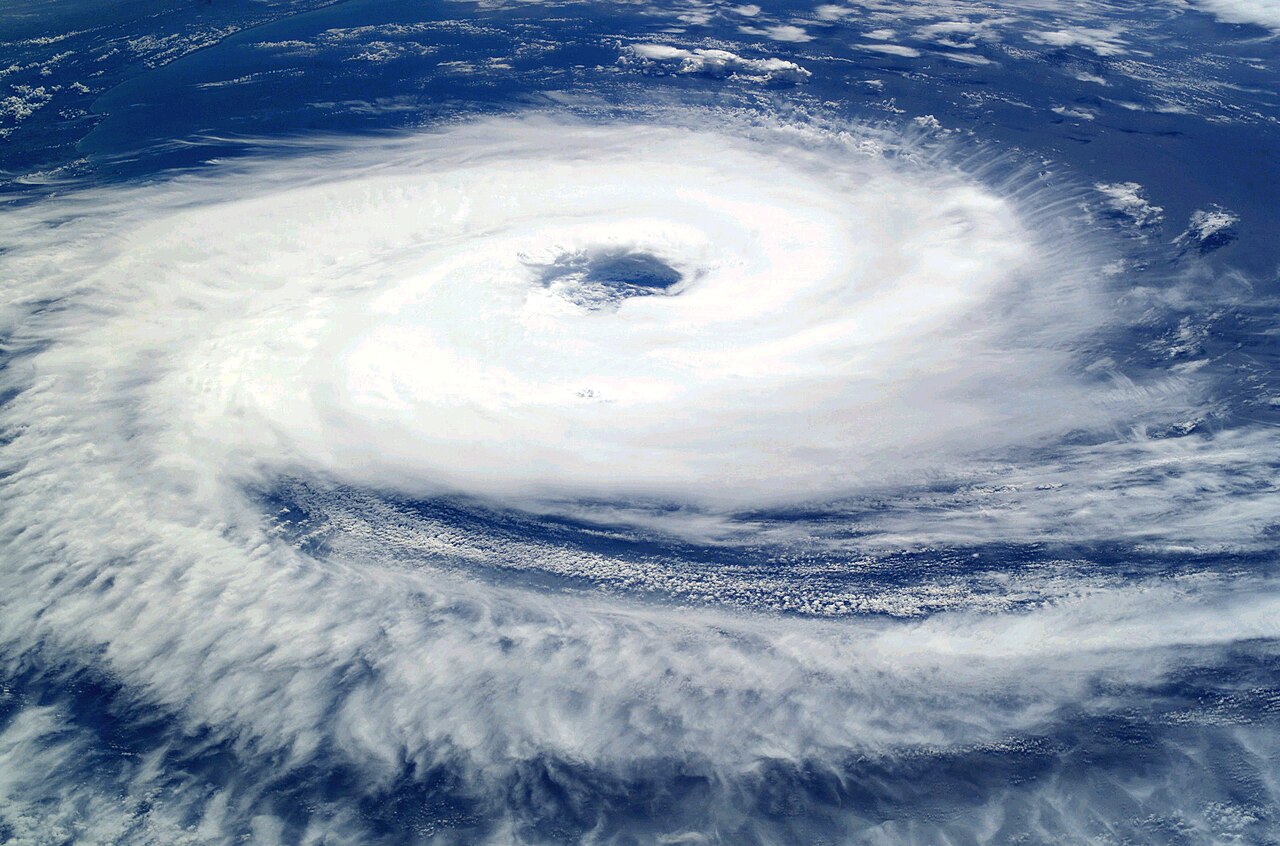



Meteorological history and characteristics
Karl evolved from a tropical disturbance over the southwestern Gulf of Mexico and strengthened rapidly over warm waters under favorable atmospheric conditions. It reached major hurricane intensity at peak strength and then moved inland, where interaction with terrain caused the system to weaken and its circulation to disorganize. Like many Gulf storms, Karl's most damaging feature was its heavy, sustained rainfall rather than its peak wind speed.
Impacts in Mexico
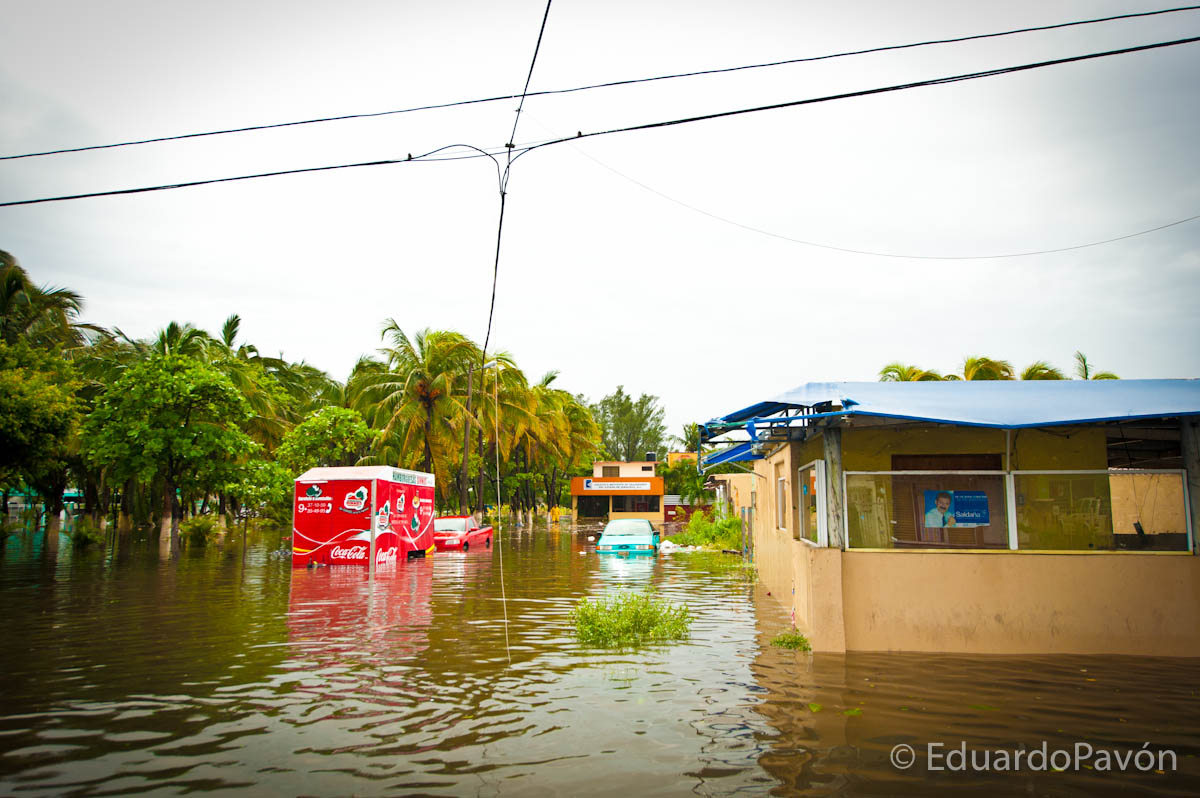
The state of Veracruz suffered the heaviest effects. Flooding and mudslides damaged homes, roads, bridges and utilities, isolating communities and disrupting commerce and transport. Agricultural areas experienced crop losses and livestock impacts, while urban areas faced inundation, collapsed infrastructure and extended power outages. Official tallies recorded at least 22 confirmed fatalities, most occurring in Veracruz, and thousands of people were temporarily displaced.
Aftermath, costs and response
Preliminary economic estimates placed the direct losses from Karl at about 70 billion MXN (roughly $5.6 billion USD), reflecting damage to housing, infrastructure and agriculture. Emergency response involved federal, state and local agencies coordinating relief, search-and-rescue, and restoration of basic services. Reconstruction and longer-term recovery efforts focused on rebuilding roads, repairing drainage systems and restoring livelihoods. Notably, despite the storm's severity and heavy costs, the name "Karl" was not retired from the rotating list of Atlantic storm names.
Notable facts and distinctions
- Karl is regarded as one of the most damaging hurricanes to have struck Veracruz in recent decades.
- The storm highlighted the hazard posed by torrential rainfall and inland flooding even when a storm's wind field weakens after landfall.
- Readers can consult seasonal summaries and impact reports for further technical details: see general season reviews at season summaries and regional recovery assessments at economic and damage reports.
For deeper meteorological analyses, peer-reviewed post-storm reports and national agency assessments provide detailed wind, rainfall and flooding observations, damage surveys, and lessons learned for future preparedness and mitigation efforts.
Related articles
Author
AlegsaOnline.com Hurricane Karl (2010): impact on Veracruz and aftermath Leandro Alegsa
URL: https://en.alegsaonline.com/art/45935
Sources
- cronicadelpoder.com : "Tras temporada de huracanes, recuento de daños"
- poresto.net : poresto.net