
Tropical wave (easterly wave): origin, structure, movement and impacts
A tropical wave is an elongated low‑pressure trough that travels westward across the tropics, producing bands of convection and often acting as a seed for tropical cyclones in the Atlantic and eastern Pacific basins.
Overview
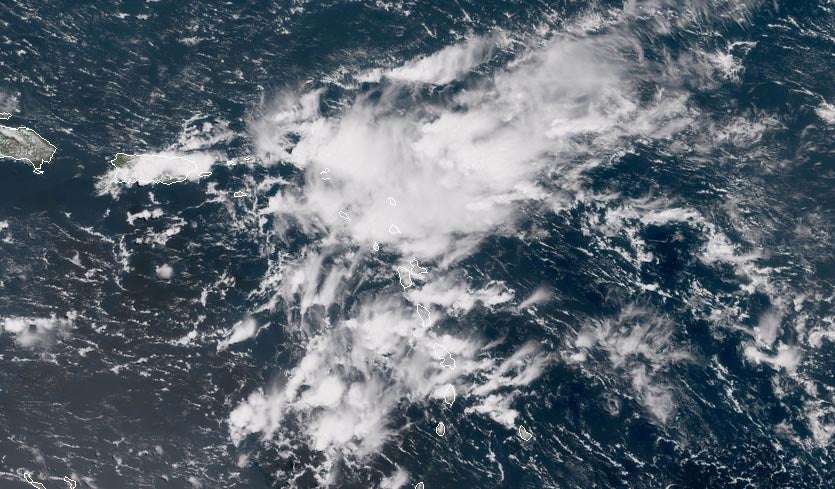
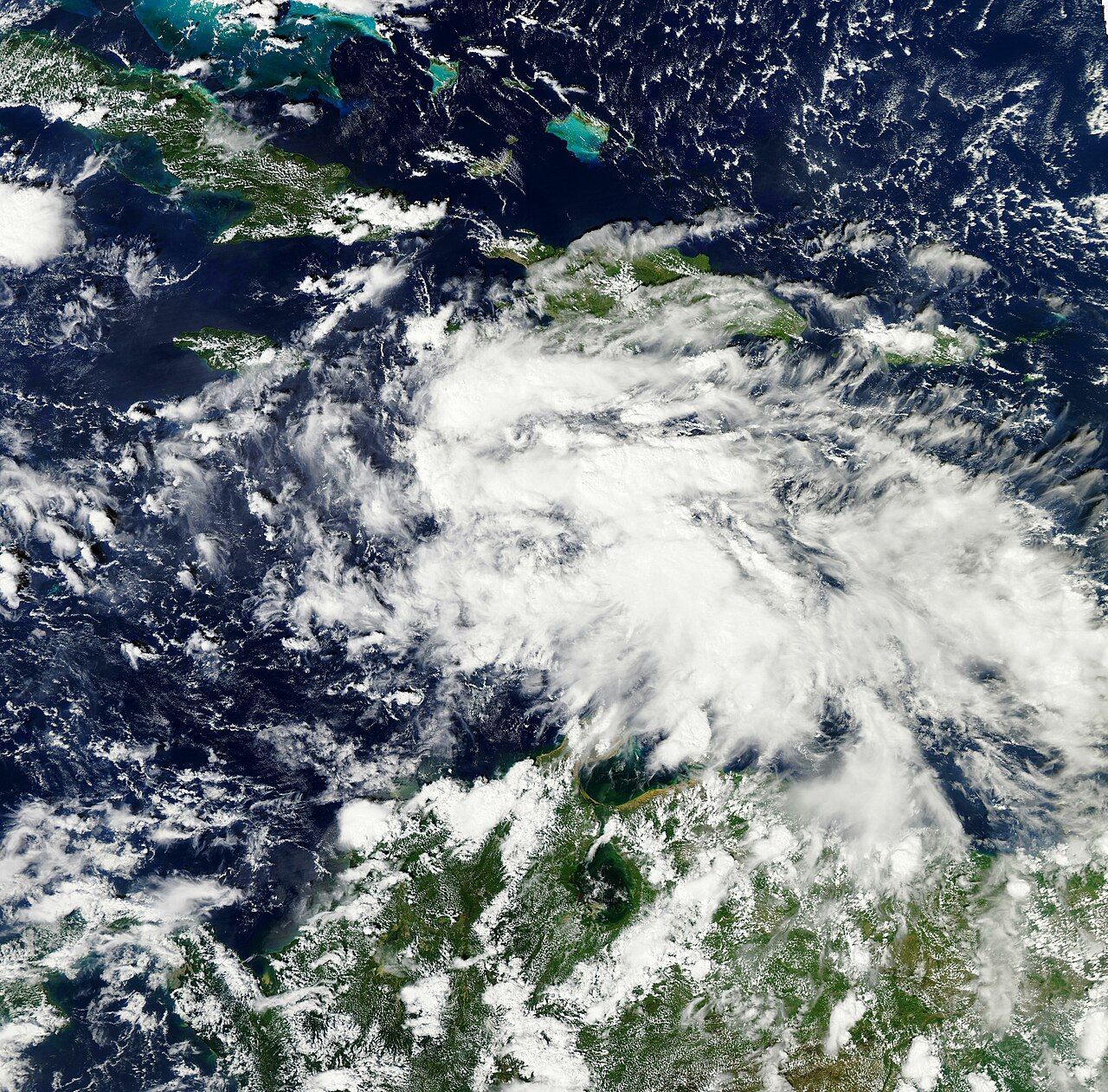
A tropical wave, commonly called an easterly wave, is an elongated area of relatively low atmospheric pressure that propagates from east to west through the tropics. In the Atlantic basin many originate near the west coast of Africa and are often referred to as African easterly waves. These waves are associated with organized bands of cloudiness and showers and can persist for several days to over a week as they move across open ocean and coastal regions.
Image gallery
9 Images



Formation and general structure
Tropical waves form within the prevailing easterly flow of the tropical atmosphere, typically along the southern flank of the subtropical ridge and near the intertropical convergence zone (ITCZ). At the surface they appear as an elongated trough with a north–south tilt. Vertically they often include a low-level trough, mid-level maxima in vorticity or spin, and concentrated areas of deep convection. This combination of moisture, low-level convergence and mid-level rotation creates a favored environment for convective bands to develop.
Dynamics and vertical profile
The dynamics of a tropical wave involve interactions between horizontal flow and convection. Upward motion within convergence zones encourages thunderstorm development, which in turn can enhance the wave's circulation through latent heat release. Although waves are primarily a low- to mid-level phenomenon, their convective activity can extend through a deep layer of the troposphere and influence the environment both near the surface and aloft.
Movement and life cycle
Tropical waves are carried westward by the prevailing easterly winds of the tropical belt. Their speed and amplitude can change with environmental factors such as background wind patterns, sea surface temperatures and nearby high- or low-pressure systems. A single wave may weaken over land or cooler seas, or it may organize into a closed circulation under favorable conditions and develop into a tropical depression and then a tropical storm.
Role in tropical cyclone genesis
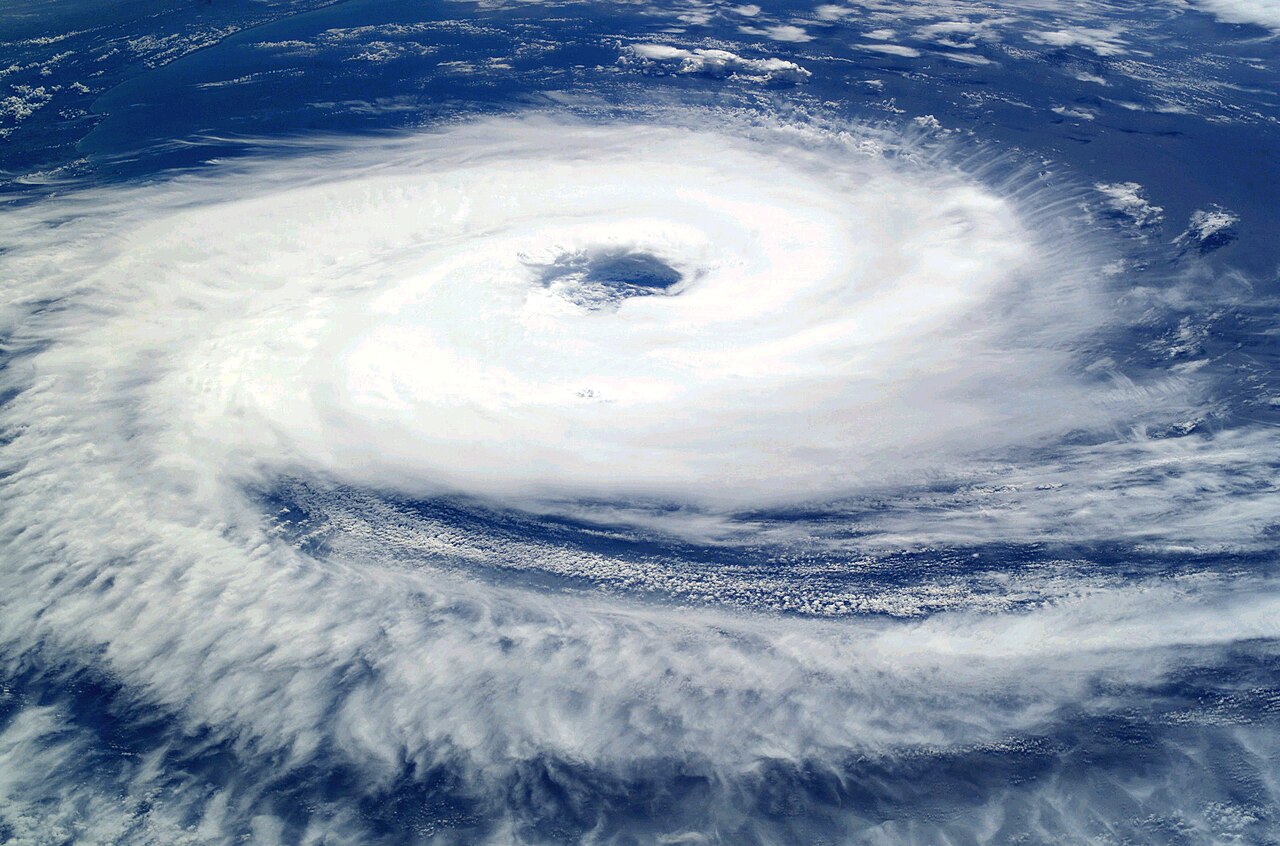
Many tropical cyclones in the North Atlantic and eastern Pacific basins trace their origins to tropical waves. By concentrating low-level vorticity, providing a focus for moisture convergence, and fostering persistent convection, a strong wave can act as the initial disturbance that, given warm ocean waters and low vertical wind shear, evolves into a tropical cyclone. Forecasters monitor waves closely during peak hurricane season because they are frequent precursors.
Distinctions from inverted troughs and frontal remnants
Not all westward-moving troughs in the tropics are true tropical waves. Inverted troughs and the tails of decaying frontal zones can resemble easterly waves but differ in origin and dynamical structure. Such subtropical or transitional features are more directly influenced by midlatitude frontal processes, whereas classic tropical waves develop within the trade wind flow and the tropical circulation.
Observation and forecasting
Forecasters and researchers use satellite imagery, scatterometer wind retrievals, surface observations, radar (near land), and numerical weather prediction models to detect and track tropical waves. Satellite infrared and microwave imagery are especially valuable for identifying convective bands and their organization over oceans where in situ observations are sparse. When a wave shows persistent deep convection and a closed low-level circulation, it is closely watched for possible classification as a tropical cyclone.
Impacts on land
Even when a tropical wave does not develop into a cyclone, it often produces heavy rainfall, squall lines, and gusty winds that can result in flash flooding, landslides in mountainous terrain, and localized wind damage. Coastal islands and parts of the Caribbean and Central America frequently experience significant weather from waves moving off Africa or across the eastern Pacific. The convective bands can also spawn isolated tornadoes in favorable shear environments.
Seasonality and regional differences
Tropical waves are most numerous during the climatological hurricane season in each basin, but their occurrence varies by region. African easterly waves are especially prominent in late summer and are an important element of transatlantic variability. In the northeast Pacific similar disturbances occur and can serve as seeds for storms in that basin as well.
Further study and resources
Research continues into the processes that control wave amplification, interaction with the ITCZ, and conversion into tropical cyclones. For basin-specific descriptions and tracking tools consult regional meteorological services and technical resources on atmospheric troughs, tropical convection, the role of easterly winds in the tropics, and distinctions with subtropical inverted troughs. For tropical cyclone formation and historical perspectives see materials on tropical cyclones and region summaries for the northeast Pacific.
Note: Terminology and classification can vary among meteorological services; analysts distinguish between true tropical waves and other westward-moving troughs to provide accurate forecasts and warnings.
Questions and answers
Q: What are tropical waves?
A: Tropical waves are a type of atmospheric trough that moves from east to west and creates cloudiness and thunderstorms.
Q: What are they also known as in the Atlantic Ocean?
A: They are also known as African easterly waves in the Atlantic Ocean.
Q: What can also form from the tail end of frontal zones in the subtropics and tropics?
A: West-moving waves can also form from the tail end of frontal zones in the subtropics and tropics.
Q: Are these waves properly called tropical waves?
A: They are not properly called tropical waves; they are a form of inverted trough sharing many characteristics with fully tropical waves.
Q: Where do tropical waves form?
A: They form in the easterly flow along the southern side of the subtropical ridge or belt of high pressure which is north and south of the Intertropical Convergence Zone (ITCZ).
Q: How are tropical waves normally carried?
A: They are normally carried westward by the prevailing easterly winds along the tropics and subtropics near the equator.
Q: What can tropical waves lead to in the north Atlantic and northeast Pacific Oceans?
A: They can lead to the formation of tropical cyclones in the north Atlantic and northeast Pacific Oceans.
Related articles
Author
AlegsaOnline.com Tropical wave (easterly wave): origin, structure, movement and impacts Leandro Alegsa
URL: https://en.alegsaonline.com/art/101732
Sources
- aoml.noaa.gov : "Frequently Asked Questions: What is an easterly wave?"
- ams.allenpress.com : "Atlantic tropical systems of 1993"