
Atlantic hurricane
A tropical cyclone in the Atlantic basin with sustained winds of at least 74 mph; covers seasonality, formation, hazards, monitoring, preparation, records and links to related topics.
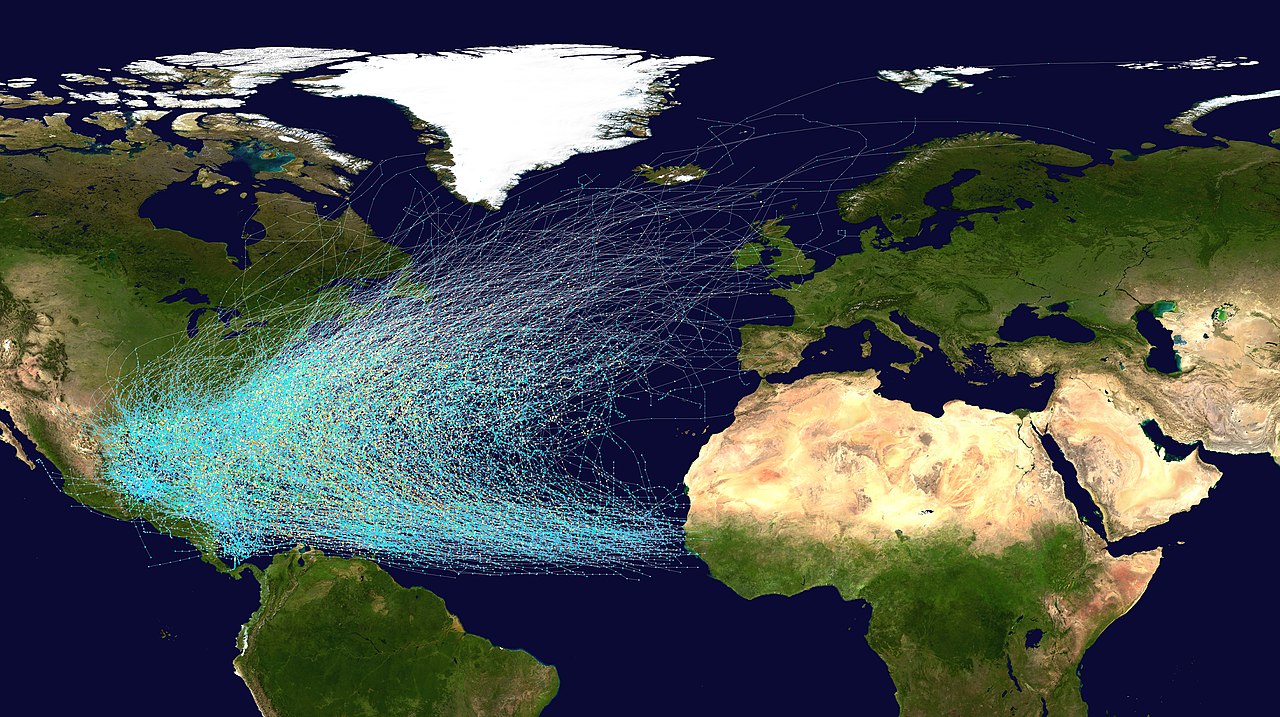
An Atlantic hurricane is a tropical cyclone that forms over the Atlantic basin and reaches sustained winds of at least 74 miles per hour (Category 1 on the Saffir–Simpson scale). In meteorological usage, the Atlantic basin includes the North Atlantic Ocean, the Caribbean Sea and the Gulf of Mexico. These storms produce a combination of hazards — extreme winds, storm surge, torrential rainfall, inland flooding and occasionally tornadoes — that can cause large loss of life, long‑term displacement, and major economic damage in affected regions.
Image gallery
10 Images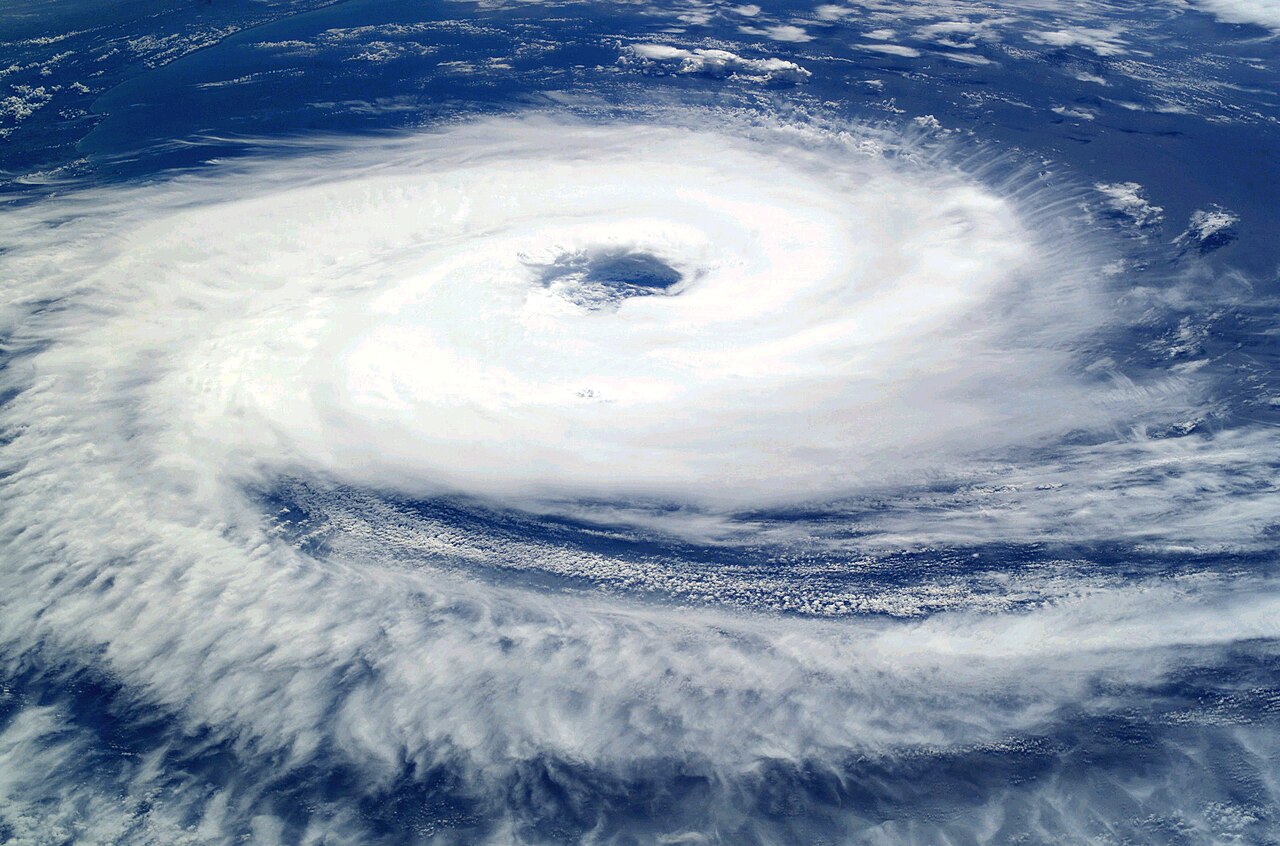





Structure and classification
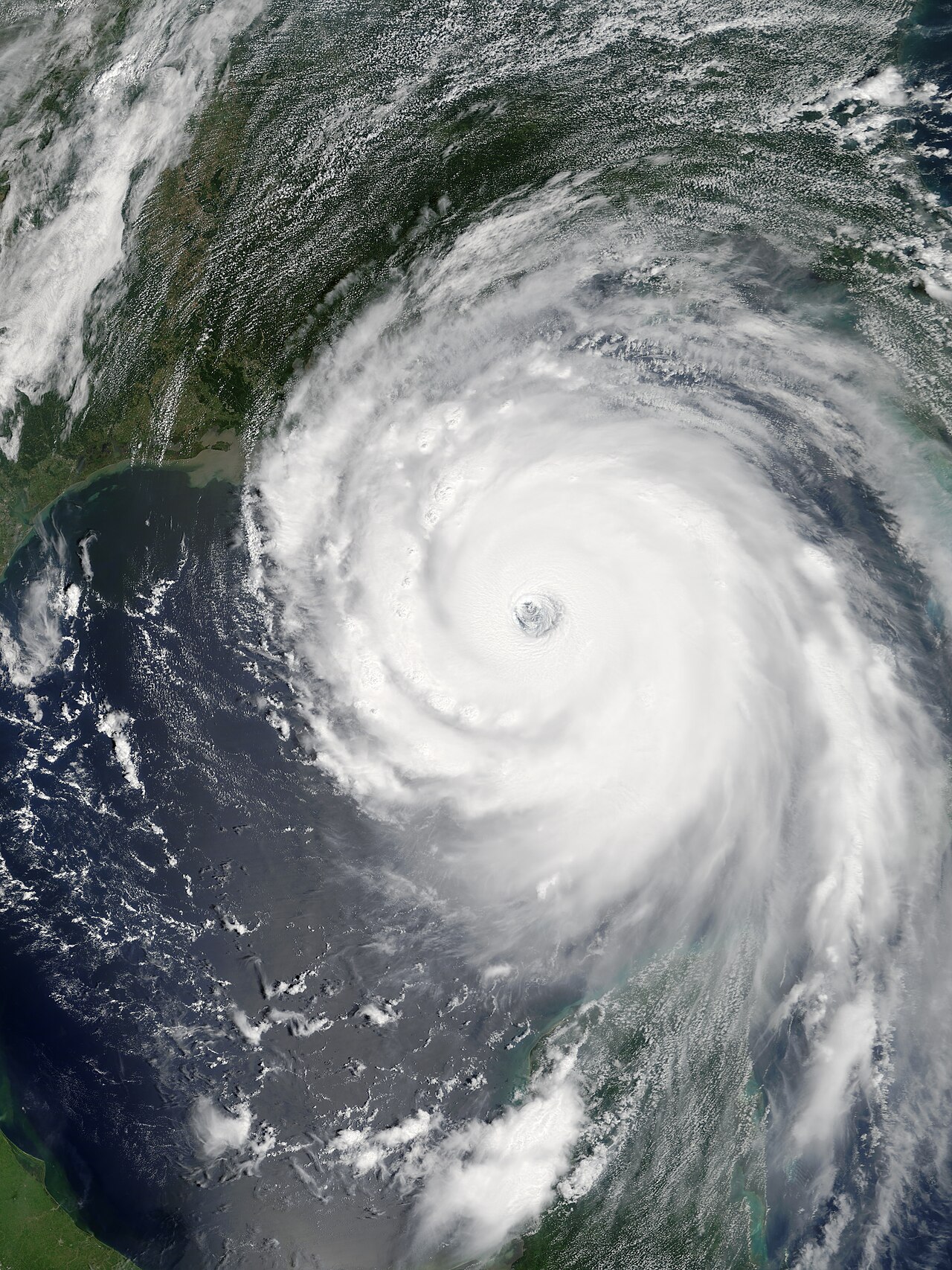
Hurricanes are organized systems with a warm core, a central eye (in mature storms), an eyewall of the strongest winds, and spiral rainbands. Intensity is commonly expressed by one‑minute maximum sustained surface winds and is grouped by the Saffir–Simpson Hurricane Wind Scale from Category 1 through Category 5. Categories 3–5 are frequently termed "major hurricanes" because of their greater potential for catastrophic damage. Central pressure, storm size, forward speed and angle of approach all affect impacts beyond the simple wind category.
Formation and seasonal patterns
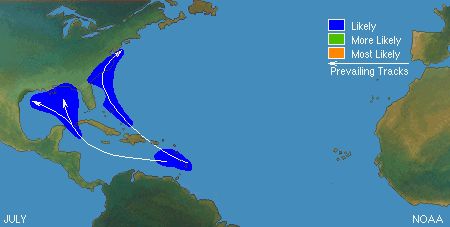
Most Atlantic hurricanes originate from tropical disturbances, including African easterly waves that move westward across the tropical Atlantic, or from disturbances in the Gulf and Caribbean. Favorable conditions include sufficiently warm sea surface temperatures, ample mid‑level moisture, weak vertical wind shear and preexisting low‑level vorticity. The conventional Atlantic hurricane season runs from June 1 to November 30, with a climatological peak in early to mid‑September.
Monitoring and forecasting
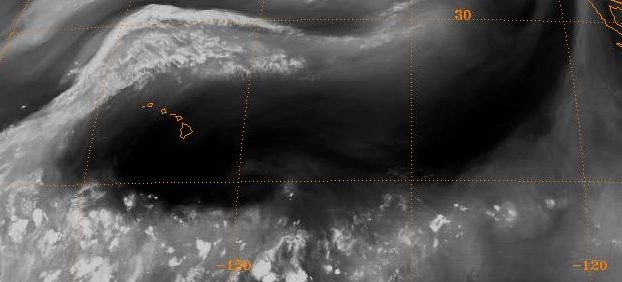
The United States National Hurricane Center is a primary agency responsible for monitoring the basin and issuing forecasts, watches and warnings. Observations from geostationary and polar‑orbiting satellites, radar, surface stations and reconnaissance aircraft feed numerical weather prediction models and ensemble systems. Track forecasts have improved substantially over recent decades; intensity forecasting has also advanced but remains more challenging due to rapid internal changes and small‑scale processes.
Impacts, preparedness and response
Primary hazards include storm surge (the leading cause of hurricane fatalities historically), destructive winds, prolonged rainfall that triggers river flooding and landslides, and secondary effects such as power outages and coastal erosion. Preparedness measures include early warning systems, evacuation planning, storm surge mapping, resilient building codes and community response plans. Names of storms that cause exceptional destruction are retired to avoid future confusion.
Records, trends and research
Historical records identify many notable Atlantic storms such as Hurricane Katrina (2005), Hurricane Sandy (2012), Hurricane Irma (2017), Hurricane Maria (2017) and Hurricane Wilma (2005), the latter notable for its extremely low central pressure in the modern observational era. Climate research indicates that warmer oceans and rising sea levels influence tropical cyclone behavior: a warming climate is expected to increase the rainfall rates of storms and may increase the likelihood of very intense hurricanes, while changes in overall storm frequency are less certain. Attribution of individual events is complex and relies on careful analysis.
Naming and climatology
Tropical disturbances that reach tropical storm strength are assigned names from predetermined lists, which rotate and are maintained by regional meteorological organizations under World Meteorological Organization guidance. On average the Atlantic basin produces about ten named storms per season, with a subset becoming hurricanes and an even smaller subset becoming major hurricanes; seasonal activity is influenced by large‑scale patterns such as El Niño and La Niña.
Further reading and related topics
- Tropical cyclone fundamentals
- Atlantic basin overview
- Hemispheric seasonal patterns
- Summer influences on storms
- Autumn influences on storms
- Caribbean Sea climatology
- Gulf of Mexico dynamics
- Seasonal start date information
- Seasonal end date information
- United States impacts and response
- National Hurricane Center resources
- World Meteorological Organization role
- Climatology of Atlantic storms
- Climatological peak timing
- Hurricane Wilma (2005)
Tags
Related articles
Author
AlegsaOnline.com Atlantic hurricane Leandro Alegsa
URL: https://en.alegsaonline.com/art/6992
Sources
- nhc.noaa.gov : Glossary of NHC/TPC Terms.