
Hurricane Iwa (1982) — Pacific hurricane that struck Hawaii
Hurricane Iwa was a late‑season 1982 Pacific hurricane that passed near Kauai, damaging Niihau, Kauai and Oahu with strong winds, huge waves, destroyed homes and four fatalities.
Overview
Hurricane Iwa was a late‑season tropical cyclone in the central Pacific during November 1982 that affected the U.S. state of Hawaii. It is remembered for passing close to the northwestern Hawaiian Islands and for producing destructive winds and surf on several populated islands. The storm formed in November 1982 and moved northwestward before passing near Kauai on November 24; it weakened and dissipated shortly thereafter.
Image gallery
7 Images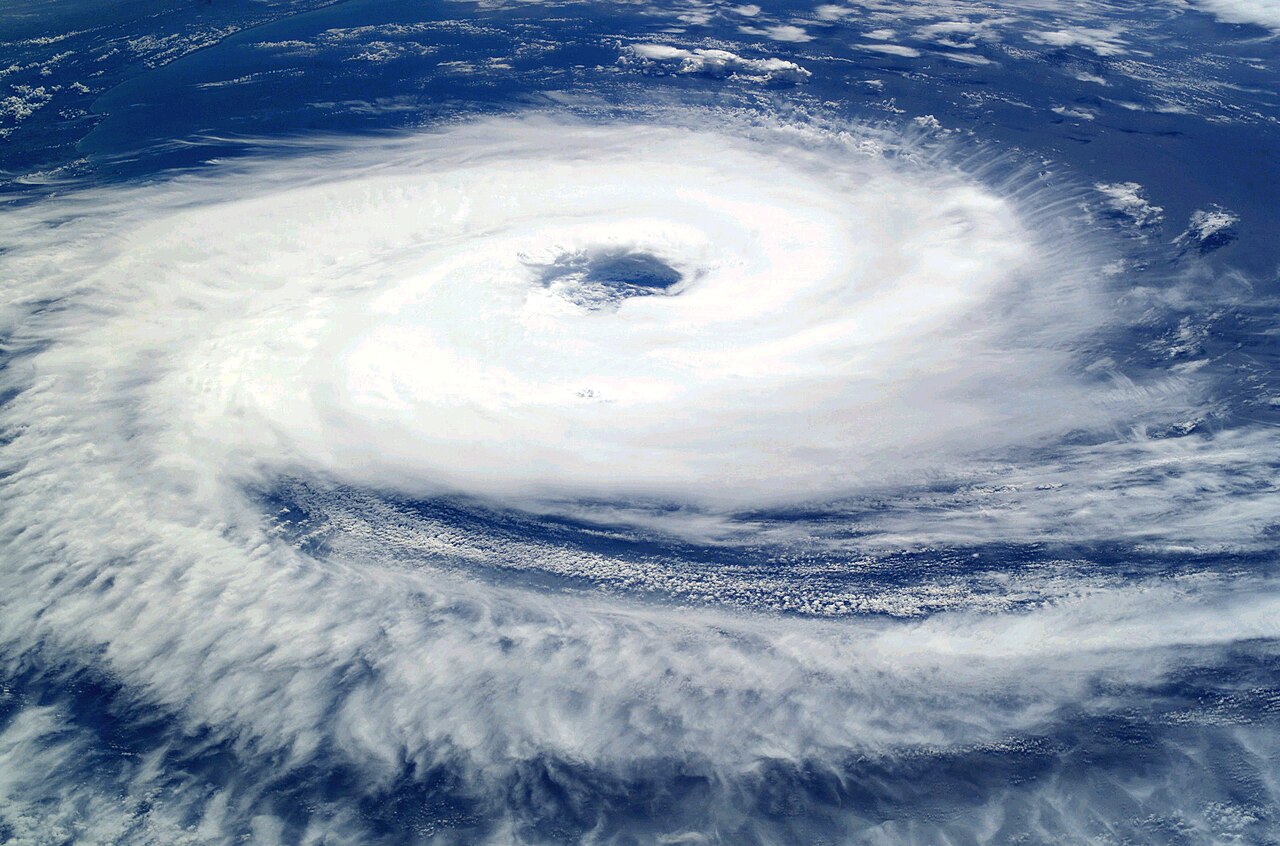


Meteorological history
Iwa developed during the latter part of the 1982 Pacific hurricane season and intensified into a hurricane as it approached the Hawaiian island chain. While many Pacific storms lose strength before reaching the islands because of cooler ocean temperatures and unfavorable wind shear, Iwa retained sufficient intensity to produce hurricane‑force gusts and large ocean swells as it passed nearby. Observations from the event recorded wind gusts near 100 mph (160 km/h) and waves exceeding 30 feet (9 m) in some coastal locations.
Impact and damage
The storm produced significant coastal flooding, beach erosion, and wind damage on multiple islands. The principal islands affected included:
- Niihau — exposed to high surf and damaging winds along western and northwestern shores;
- Kauai — passed closest to this island and experienced extensive structural damage, downed power lines, and inundated roads;
- Oahu — saw coastal damage, broken windows, and disruptions to services in some populated areas.
Combined effects from wind, waves, and resulting debris damaged or destroyed thousands of buildings; available accounts indicate about 2,345 structures were damaged or lost and roughly 500 people were left homeless. The storm was also responsible for four reported deaths. Power outages, damaged harbors, and blocked transportation routes complicated immediate relief efforts.
Aftermath and legacy
In the wake of Iwa, communities on affected islands focused on search, recovery and rebuilding. The storm highlighted vulnerabilities in coastal development and emergency preparedness for Hawaiian communities, particularly to late‑season storms. Repairs and reconstruction took months to years in some areas, and the event influenced later planning for storm response and coastal resilience.
Notable facts
Hawaii is infrequently struck directly by tropical cyclones, making Iwa a relatively unusual and significant event for the islands. Its timing late in the hurricane season and the combination of destructive surf and strong gusts contributed to its prominence in regional weather history. For further historical context or technical storm data, consult regional hurricane summaries and official storm archives via local weather and emergency management resources.
Related articles
Author
AlegsaOnline.com Hurricane Iwa (1982) — Pacific hurricane that struck Hawaii Leandro Alegsa
URL: https://en.alegsaonline.com/art/45926
Sources
- prh.noaa.gov : "1982 Central Pacific Tropical Cyclone Season"
- members.aol.com : "Hurricane Iwa"
- starbulletin.com : "Lessons Learned from Iniki leave officials better prepared for any future disasters"
- commons.wikimedia.org : Commons