
Hurricane Joan–Miriam (1988)
A powerful late-1988 hurricane that struck Nicaragua’s Caribbean coast as Hurricane Joan, caused more than 200 deaths and extensive damage, then crossed into the eastern Pacific where it was renamed Miriam.
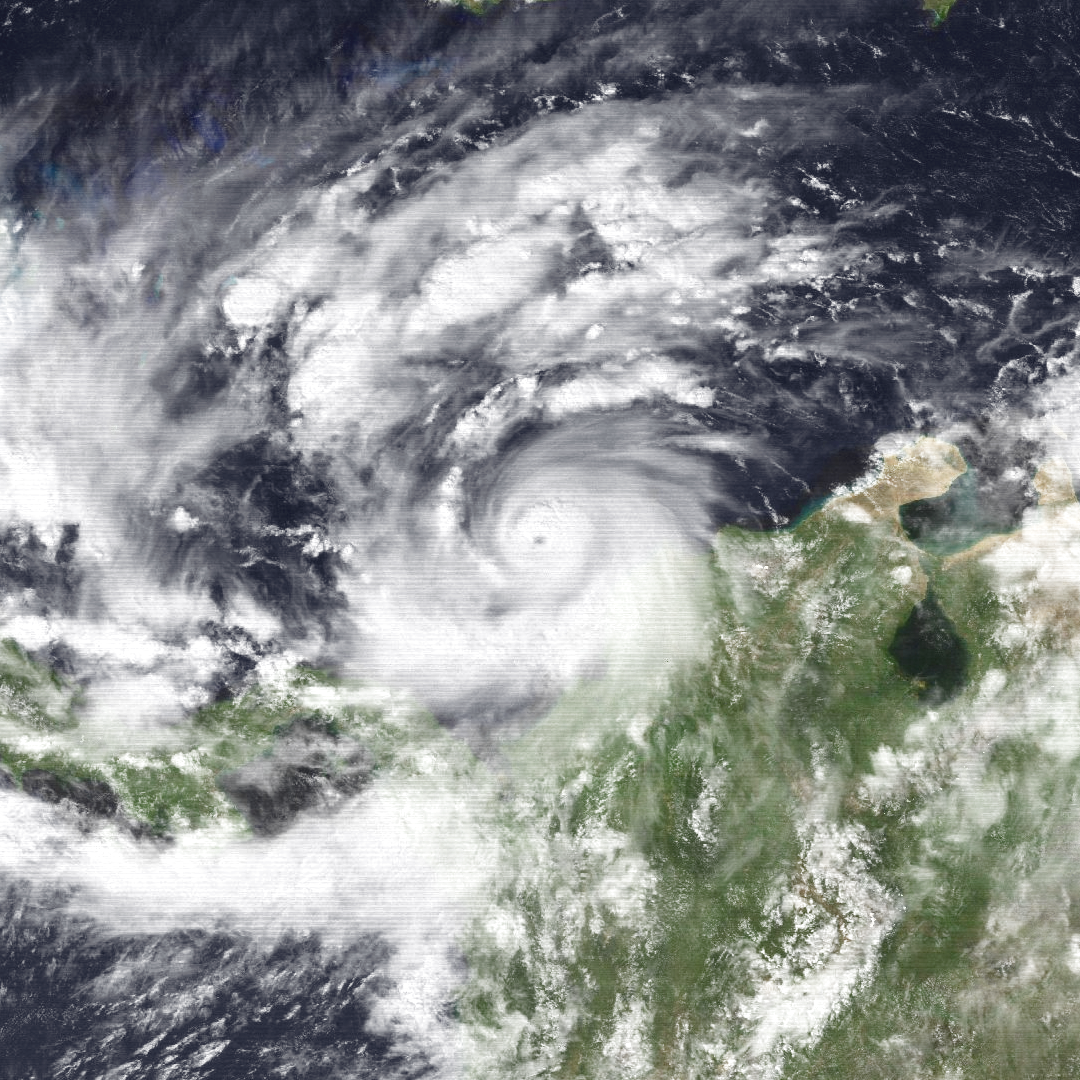
Hurricane Joan–Miriam was a major tropical cyclone in October 1988 notable for its intensity at landfall and for maintaining a coherent circulation while crossing the Central American isthmus. In the Atlantic basin the system became a Category 4 hurricane and inflicted widespread damage along parts of the Caribbean coast of Central America. The combined name Joan–Miriam reflects the storm's continuity as it moved from the Atlantic into the eastern Pacific, where the remnant circulation redeveloped and received a new name under Pacific conventions.
Image gallery
9 Images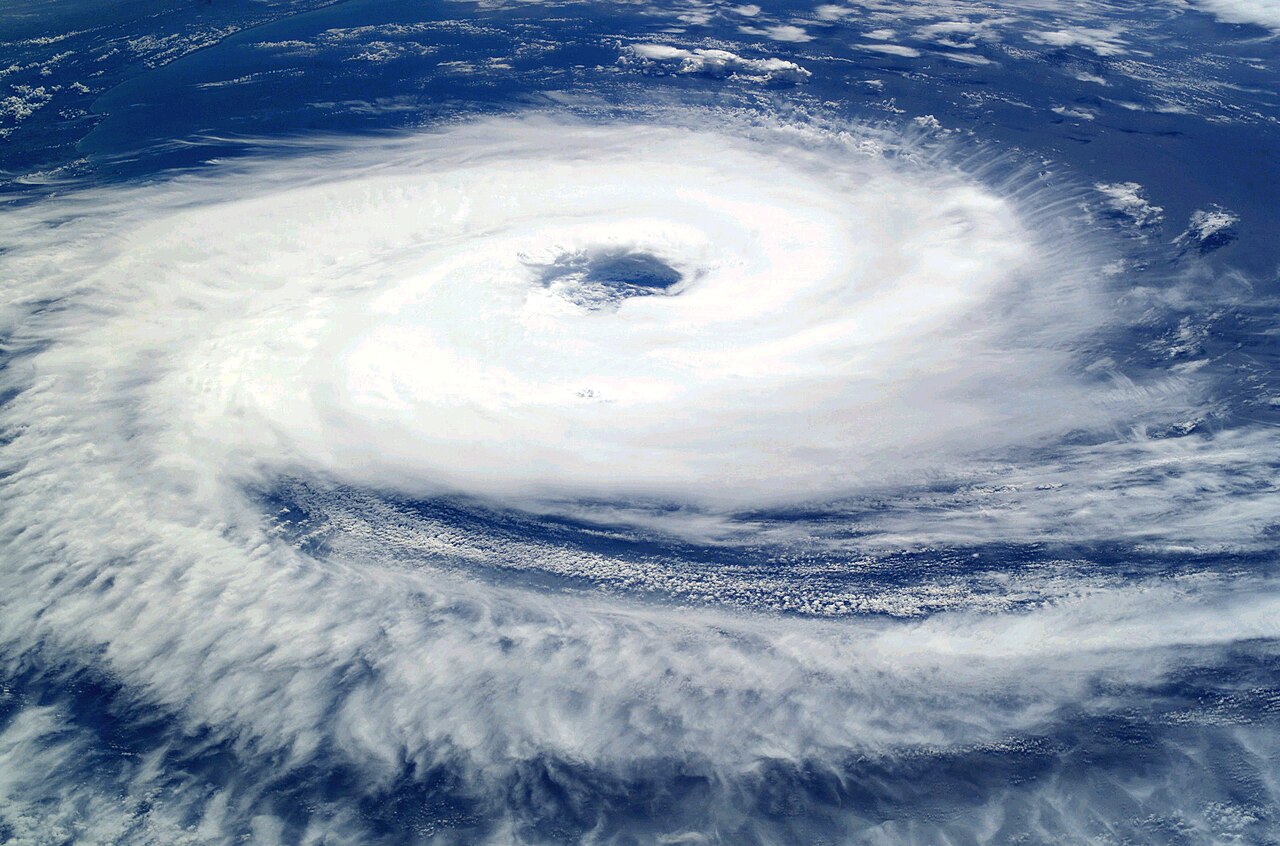




Meteorological summary
The disturbance that became Joan formed over the southwestern Caribbean Sea and intensified rapidly over warm waters and favorable upper-level winds. It reached major hurricane strength before striking the coast of Nicaragua. After moving inland the circulation weakened but persisted; within a few days the remnants emerged over the eastern Pacific, reorganized, and were designated as Tropical Storm Miriam by Pacific forecasters. Such basin-crossing events are relatively uncommon but not unprecedented.
Impacts and human cost
Joan produced destructive winds, heavy rainfall, storm surge, and widespread flooding. Low-lying coastal communities suffered severe damage to housing, public infrastructure and communications. Agricultural areas experienced heavy losses, and roads and bridges were damaged, isolating some communities. The storm resulted in more than 200 reported fatalities, displaced thousands of people, and created urgent needs for food, shelter and health services.
Aftermath and response
- Emergency relief: National authorities and international organisations provided search and rescue, emergency shelter and aid distribution.
- Recovery challenges: Damage to transportation, water and power systems complicated relief and reconstruction efforts.
- Longer-term effects: Losses in agriculture and housing had economic and social impacts that required sustained recovery assistance.
Significance
Joan–Miriam is remembered for the severity of its landfall and for illustrating vulnerabilities in coastal planning and disaster preparedness in parts of Central America. The event also highlighted forecasting and emergency response needs and contributed to improvements in early warning systems and international coordination for hurricane relief in the region.
Related articles
Author
AlegsaOnline.com Hurricane Joan–Miriam (1988) Leandro Alegsa
URL: https://en.alegsaonline.com/art/45929