
Hurricane Matthew (2016) — Category 5 Atlantic storm and regional impacts
Powerful late‑September–October 2016 Atlantic hurricane that reached Category 5, devastated parts of the Caribbean—especially Haiti—and produced widespread coastal impacts along the southeastern United States.
Overview
Hurricane Matthew was a major Atlantic tropical cyclone that formed during the 2016 season and became one of the most destructive storms of that year. It developed in late September, reached maximum sustained winds of about 160 miles per hour at peak intensity, and briefly attained Category 5 status on the Saffir–Simpson scale. The system moved westward through the Caribbean, threatening islands such as Jamaica and Cuba, then made landfall in portions of Hispaniola before tracking along the Bahamas and the southeastern coast of the United States.
Image gallery
10 Images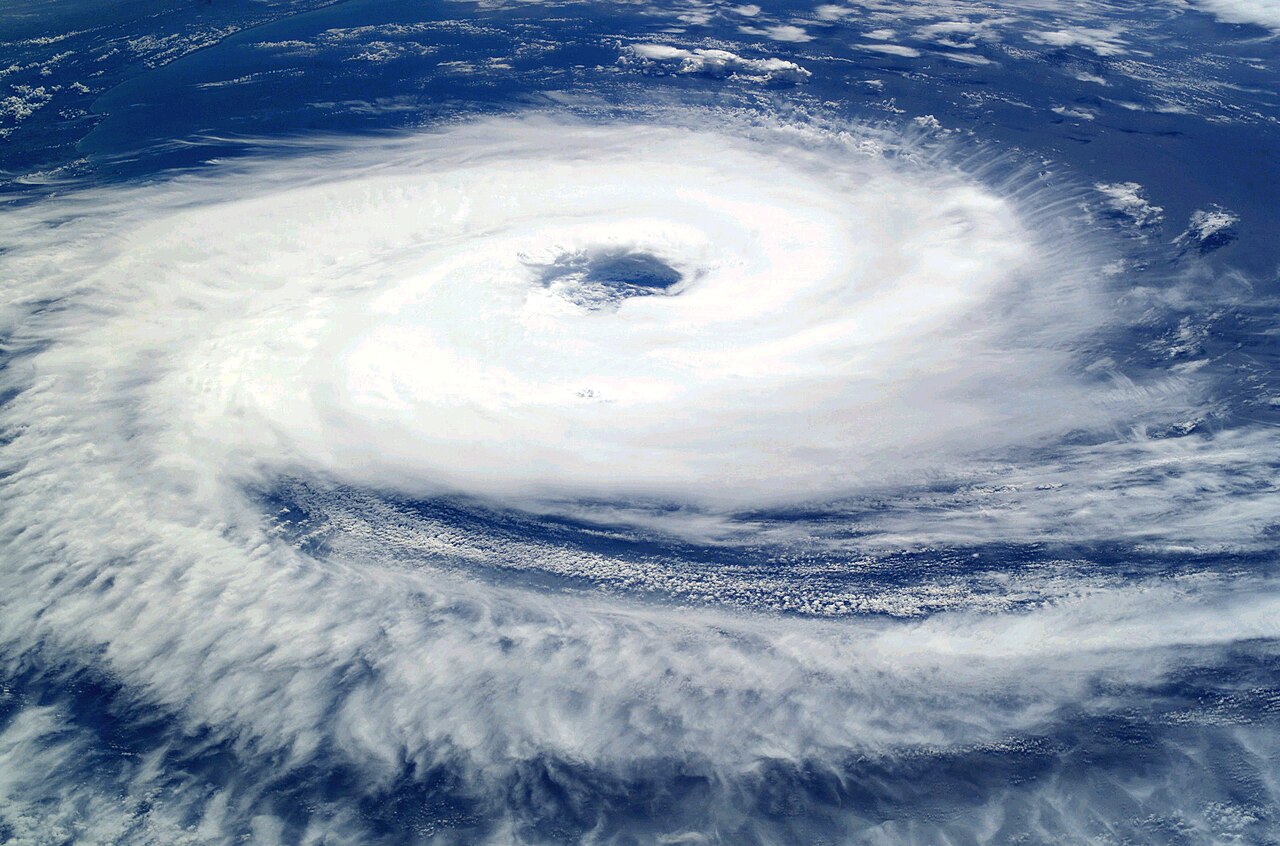


Meteorological history and characteristics
Matthew first organized into a tropical cyclone on September 28, 2016. Favorable ocean temperatures and atmospheric conditions allowed rapid intensification to hurricane strength, and the storm eventually strengthened to Category 5 — the first Atlantic hurricane to reach that intensity since Hurricane Felix (2007). Its peak wind speed was reported near 160 mph. The core of the storm produced a distinct eyewall and heavy convection; associated hazards included extreme winds, prolonged heavy rain, and significant storm surge along exposed coastlines.
Track and threatened areas
During its progression Matthew posed a serious threat to multiple islands and mainland coasts. It threatened Jamaica, Cuba, the Dominican Republic, and the Haiti, and inflicted major damage in parts of those countries. After crossing the Caribbean, the cyclone moved near or over the Hispaniola landmass and the Bahamas before approaching the southeastern United States. Forecasts at one point extended the risk up the coast toward New England, but the probable track shifted and the most severe U.S. impacts were concentrated from Florida northward to eastern North Carolina.
Impacts and human toll
Matthew produced widespread destruction across the Caribbean and parts of the United States. Its damage included residential and infrastructure losses, severe flooding, erosion of coastal areas, and agricultural destruction. Reported fatalities were high: authorities and relief organizations documented that the storm and its immediate aftermath were associated with more than 1,600 deaths across Hispaniola and other Caribbean locations. In the United States, the event was linked to dozens of deaths. The Dominican Republic reported multiple fatalities, while Haiti suffered catastrophic losses and serious damage to homes, roads and crops; economic losses there were estimated at roughly one billion U.S. dollars in 2016 figures. In the Bahamas and along U.S. coasts the hurricane caused destructive storm surge, wind damage and prolonged power outages.
Response, recovery and significance
National governments, regional organizations and international relief agencies mobilized emergency aid, search and rescue operations, and later recovery efforts. The scale of humanitarian need in vulnerable areas — most notably in Haiti, where poverty and weak infrastructure amplified the storm's effects — drew substantial international assistance and long-term rebuilding programs. Matthew also prompted reviews of forecasting communication and evacuation planning along exposed coastlines in the southeastern United States.
Notable facts and legacy
Matthew is remembered as the most intense Atlantic hurricane of 2016 and the first Category 5 in the basin since Felix. Its path and impacts illustrated how a single storm can produce very different consequences depending on local vulnerability, preparedness and geography. Following the event, the name "Matthew" was retired from the rotating Atlantic naming lists because of the storm's severity and human cost. For detailed meteorological analyses and official reports, consult hurricane season summaries and post‑storm assessments published by national meteorological agencies and international relief organizations (Atlantic hurricane resources provide broader context).
- Key affected areas: Haiti, Dominican Republic, Cuba, Jamaica, the Hispaniola region and the Bahamas.
- U.S. regions of concern: Florida through eastern North Carolina; earlier forecasts briefly included parts of New England.
- Comparative note: first Atlantic Category 5 since Felix (2007).
For more background on tropical cyclone science, warnings and preparedness, consult authoritative meteorological agencies and disaster relief organizations, which provide post‑storm reports and guidance for coastal resilience and emergency planning (see Atlantic hurricane resources).
Related articles
Author
AlegsaOnline.com Hurricane Matthew (2016) — Category 5 Atlantic storm and regional impacts Leandro Alegsa
URL: https://en.alegsaonline.com/art/45954
Sources
- theguardian.com : "Hurricane Matthew Makes Landfall in Cuba"
- mirror.co.uk : "Deadly Storm Kills 572 in Caribbean"
- radiotelevisioncaraibes.com : "Hurricane Matthew Kills 283 in Haiti"