
2003 Atlantic hurricane season
A summary of the 2003 Atlantic hurricane season: timeline, notable storms (Isabel, Fabian, Juan), impacts, and unusual off‑season activity including Ana, Odette, and Peter.
Overview
The 2003 Atlantic hurricane season officially ran from June 1 to November 30 of 2003, but activity began unusually early and extended past the official closing date. A pre‑season system, Tropical Storm Ana, formed on April 20, and two late storms — Tropical Storm Odette and Tropical Storm Peter — developed in early December, demonstrating that the conventionally defined season does not always encompass all cyclonic activity.
Image gallery
10 Images


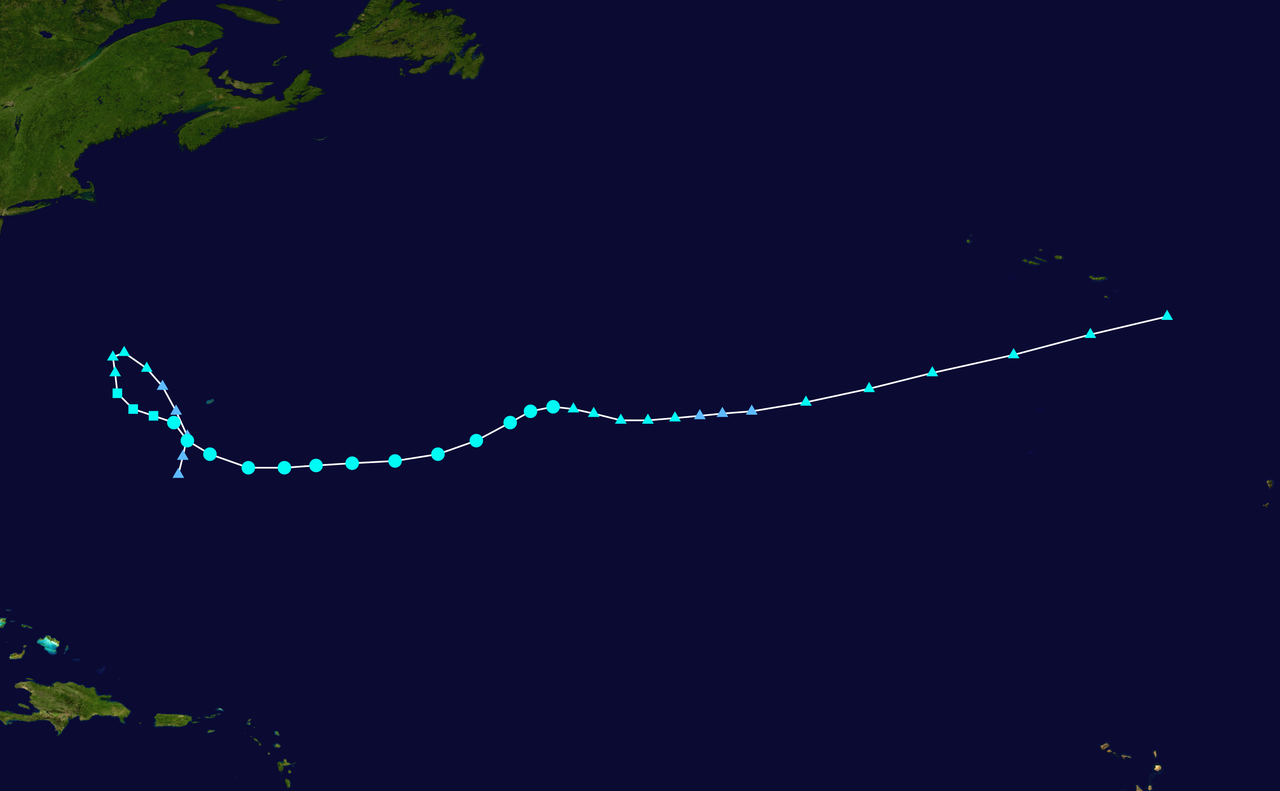


Season characteristics
The season produced a mix of short‑lived tropical storms and longer lived hurricanes. While many systems stayed over open ocean, a few strengthened into powerful hurricanes and caused significant impacts when they approached populated areas. Conditions that year included enough atmospheric instability and warm sea surface temperatures to sustain several intense storms, but steering currents limited widespread landfalls compared with some other busy seasons.
Notable storms
- Tropical Storm Ana — formed well before the official start on April 20 and illustrates how tropical cyclones can develop outside the meteorological season.
- Hurricane Isabel — the most prominent storm of the year. Isabel became a major hurricane and produced substantial storm surge, wind damage, and inland flooding in the United States; U.S. estimates attributed about $3.6 billion in damage and 51 deaths to the storm.
- Hurricane Fabian — notable for its severe effects on Bermuda, where it stands among the most destructive storms in the island's modern history.
- Hurricane Juan — a relatively rare example of a hurricane impacting Atlantic Canada directly; Juan produced damaging winds and coastal impacts in parts of Nova Scotia.
- Tropical Storms Odette and Peter — both formed after the official season ended (on December 4 and December 7, respectively), underscoring the season’s extended tail of activity.
Impacts and aftermath
The human and economic toll of the 2003 season was concentrated in a few major events rather than distributed across many landfalling storms. Damage from the season included infrastructure losses, coastal erosion, and localized flooding. The most severe damage in the continental United States was associated with Isabel, while Fabian prompted major rebuilding efforts in Bermuda, and Juan highlighted vulnerabilities to hurricanes in Atlantic Canada.
Records, lessons and preparedness
Forecasters and emergency managers used the 2003 season to refine warning practices, evacuation planning, and public messaging. The occurrence of an early storm and two December storms reinforced the need for year‑round readiness in some coastal communities. Post‑season analyses also contributed to improved intensity forecasting and better understanding of the environmental factors that help a storm become a major hurricane.
Further reading
For official summaries and technical reports about the 2003 Atlantic hurricane season consult regional meteorological agencies and post‑season reviews from hurricane research centers. These sources provide detailed storm tracks, intensity histories, and assessments of societal impacts.
Questions and answers
Q: When did the 2003 Atlantic hurricane season start?
A: The 2003 Atlantic hurricane season began on June 1, 2003.
Q: What was the first storm of the season?
A: The first storm of the season was Tropical Storm Ana, which formed on April 20.
Q: How many storms occurred after the official end of the season?
A: Two storms occurred after the official end of the season; Tropical Storm Odette and Tropical Storm Peter both formed on December 4 and December 7 respectively.
Q: What is one notable hurricane from this season to remember?
A: One notable hurricane from this season to remember is Hurricane Isabel, a category 5 that caused $3.6 billion in damage and 51 deaths in the U.S..
Q: What other storm caused destruction during this time period?
A: Another storm that caused destruction during this time period was Hurricane Fabian, which was one of the worst hurricanes in Bermuda history.
Q: Where else did a rare hurricane cause destruction during this time period?
A: A rare hurricane also caused some destruction in Nova Scotia during this time period; it was called Hurricane Juan.
Related articles
Author
AlegsaOnline.com 2003 Atlantic hurricane season Leandro Alegsa
URL: https://en.alegsaonline.com/art/112342
Sources
- nhc.noaa.gov : nhc.noaa.gov
- nhc.noaa.gov : "Tropical Storm Grace Tropical Cyclone Report"
- nhc.noaa.gov : "Tropical Storm Henri Tropical Cyclone Report"
- nhc.noaa.gov : "Hurricane Kate Tropical Cyclone Report"
- nhc.noaa.gov : "Tropical Storm Larry Tropical Cyclone Report"