
Hurricane Dean (2007) — Category 5 Atlantic hurricane
A powerful Category 5 Atlantic hurricane in August 2007 that crossed the Caribbean and made landfalls on Mexico's Yucatán Peninsula and Veracruz, causing wide agricultural damage and about US$1.5 billion in losses.
Overview
Hurricane Dean was a long-tracked and intense tropical cyclone of the 2007 Atlantic hurricane season. At peak intensity it was the strongest Atlantic hurricane since Hurricane Wilma in 2005. Forming from a tropical wave in the eastern Atlantic Ocean, Dean followed a generally west-northwest path across open water and the Caribbean, gaining organization and strength to reach Category 5 on the Saffir–Simpson scale.
Image gallery
10 Images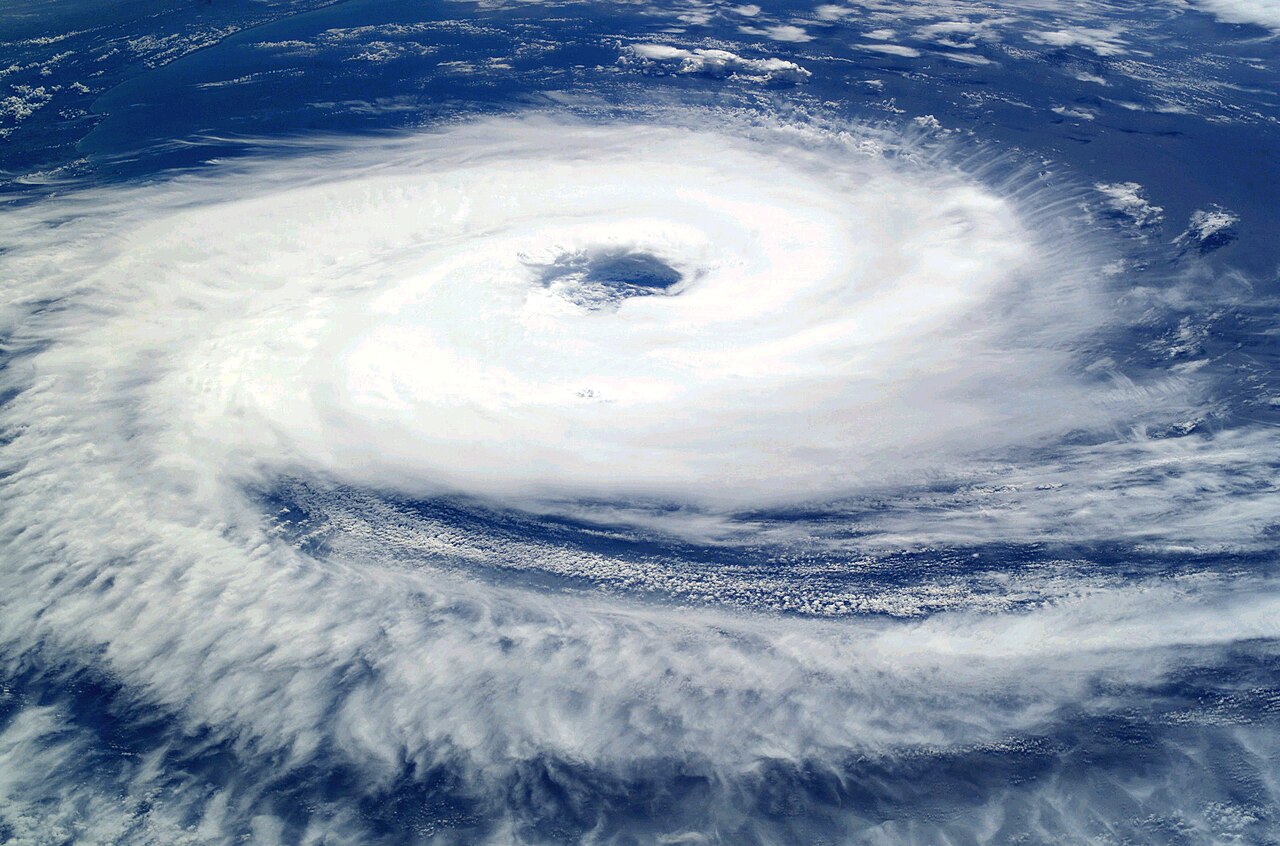


Meteorological history and track
The system moved through the Saint Lucia Channel into the Caribbean Sea, intensifying rapidly. By 20 August it became a Category 5 hurricane while passing south of Jamaica. Dean made its first North American landfall on 21 August on the Yucatán Peninsula while still at very high intensity, then crossed land into the Bay of Campeche. After a brief re-intensification over the bay it made a second landfall near Tecolutla in Veracruz, Mexico, on 22 August. The system weakened inland to a low pressure area and eventually dissipated over parts of the southwestern United States.
Impacts and damage
Dean produced destructive winds, heavy rainfall, storm surge and large waves along its path. The storm affected several countries and territories across the Caribbean and Mexico; initial impacts were felt in the islands of the Lesser Antilles. Agricultural sectors suffered particularly severe losses: banana, sugar and other crops in places such as Martinique and Jamaica were damaged, compounding local economic disruption. In total the hurricane was associated with over 45 deaths across multiple countries and generated estimated economic losses of about US$1.5 billion. Intense gusts and coastal flooding damaged homes, ports and road networks, while power outages and communications interruptions slowed emergency response in many areas.
Response, recovery and legacy
Authorities in threatened areas issued evacuations and pre-positioned relief supplies; international and local aid was deployed to assist affected communities. Although Dean made a Category 5 landfall on the Yucatán, the most catastrophic effects were concentrated where the storm passed as a lower-category system across some Caribbean islands, and the Mexican landfall struck less densely populated coastal zones, limiting fatalities there.
Notable facts and distinction
Dean is remembered as the season's most intense storm and one of the few Atlantic hurricanes to reach Category 5 strength prior to landfall. Its combination of long duration, rapid intensification and two significant landfalls contributed to changes in regional preparedness planning. Because of the storm’s impacts and fatalities the name "Dean" was retired from the rotating name lists and will not be reused for future Atlantic storms.
- Formation region: eastern Atlantic Ocean
- Caribbean passage: Caribbean Sea
- First major landfall: Yucatán Peninsula
- Second landfall: Veracruz, Mexico
For contemporary maps, advisories and technical summaries consult archived meteorological reports and regional disaster agencies for detailed timelines and post-storm assessments.
Related articles
Author
AlegsaOnline.com Hurricane Dean (2007) — Category 5 Atlantic hurricane Leandro Alegsa
URL: https://en.alegsaonline.com/art/45855
Sources
- nhc.noaa.gov : "Tropical Cyclone Report: Hurricane Dean"
- commons.wikimedia.org : Commons