
Hurricane Wilma (October 2005) — record Atlantic Category 5 storm
Hurricane Wilma (October 2005) was the most intense Atlantic hurricane by pressure, reaching Category 5 strength and causing extensive damage across the Yucatán Peninsula and southern Florida during the record 2005 season.
Overview
Hurricane Wilma was a powerful and destructive tropical cyclone in the Atlantic basin during October 2005. It developed during the exceptionally active 2005 Atlantic hurricane season and underwent one of the most rapid deepening episodes on record for the region. Wilma reached Category 5 intensity and is notable for recording the lowest central pressure ever measured in an Atlantic hurricane, a measure of its exceptional strength; it remains a reference storm in meteorology and disaster studies (tropical cyclone records).
Image gallery
10 Images



Meteorological characteristics
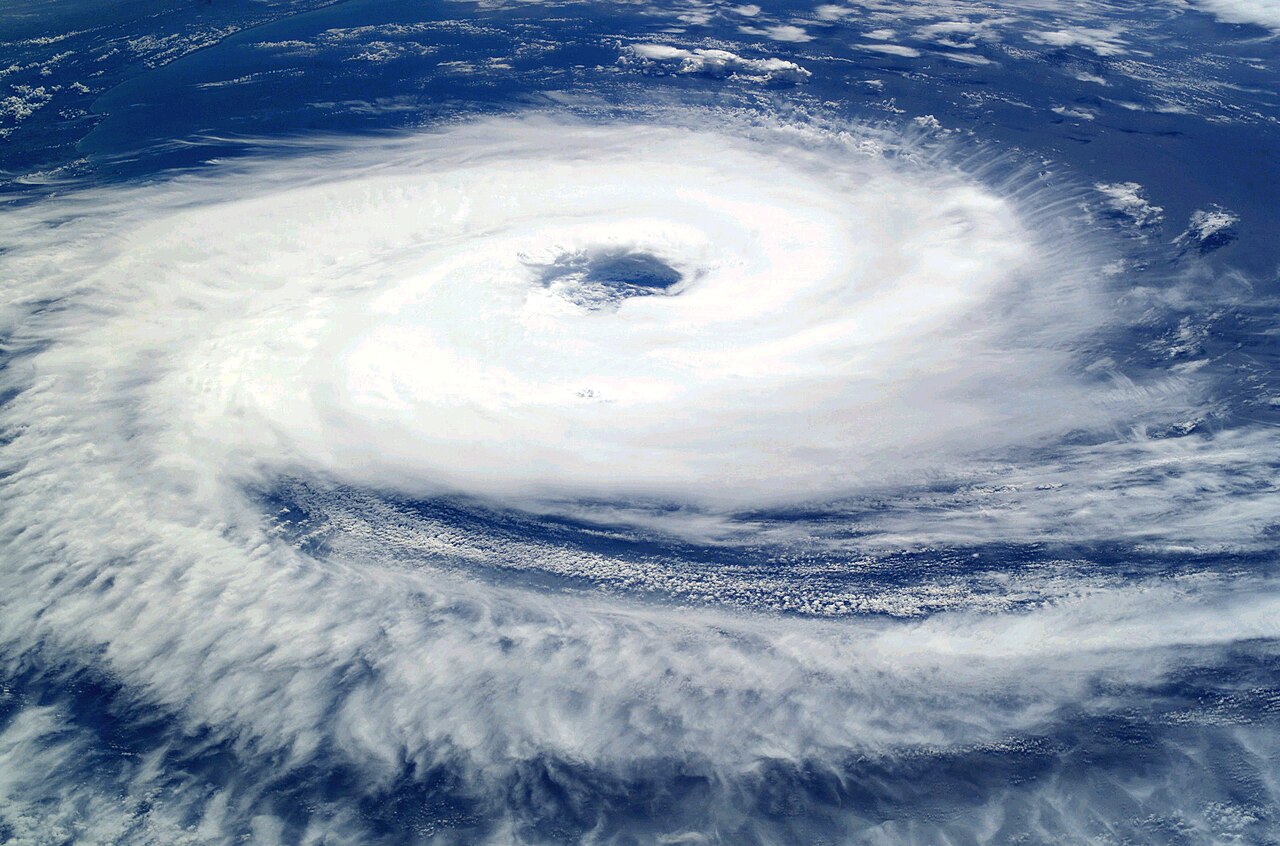
Wilma began as a broad area of disturbed weather and consolidated into a tropical system in mid-October. The storm experienced explosive intensification, producing a very small, well-defined eye surrounded by intense convection. At peak intensity its central pressure dropped to an estimated 882 millibars, and sustained winds reached Category 5 strength. Its compact eyewall and rapid pressure fall were studied extensively as examples of rapid intensification in warm oceanic conditions (Atlantic basin data).
Track and impacts
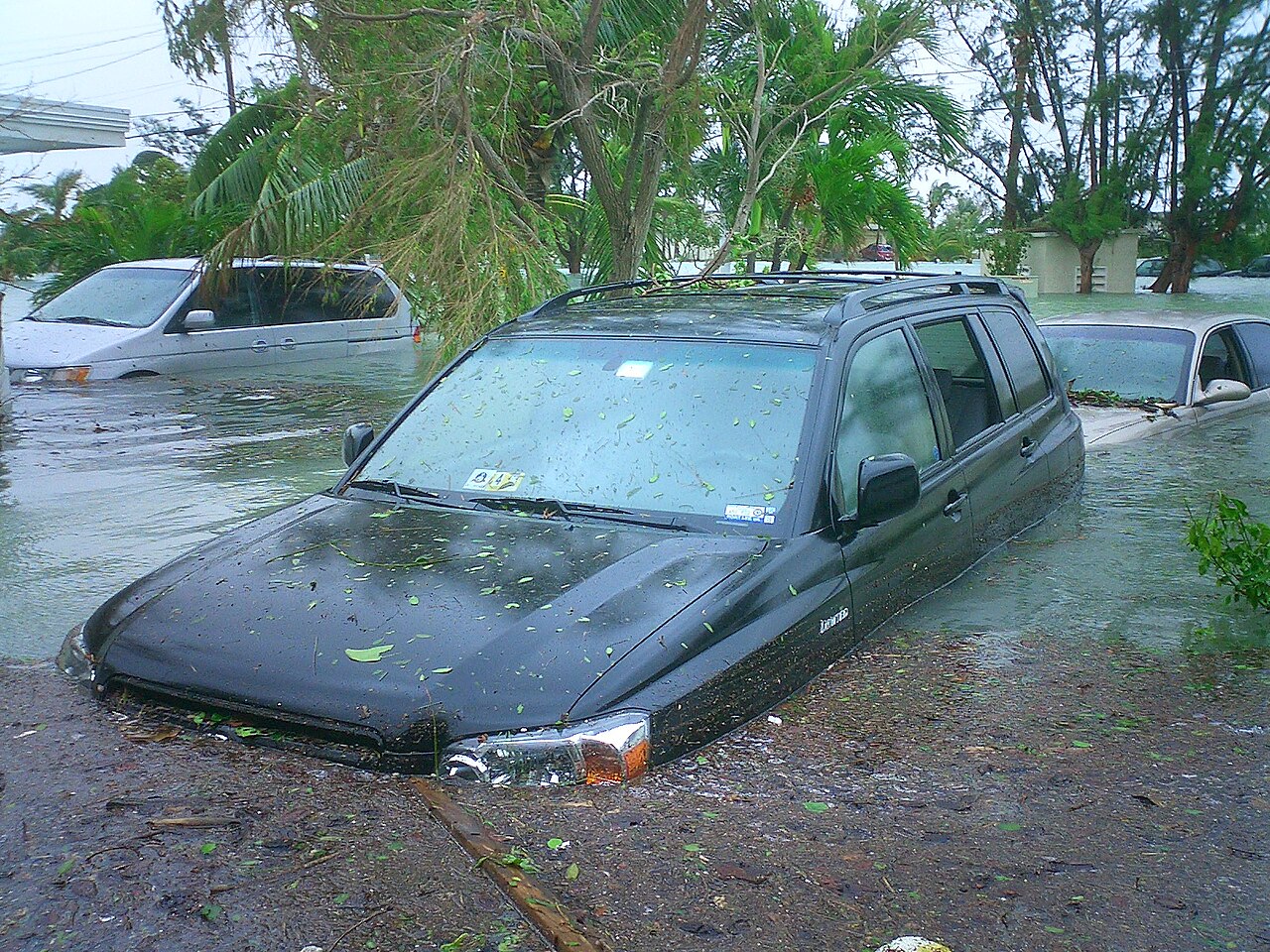
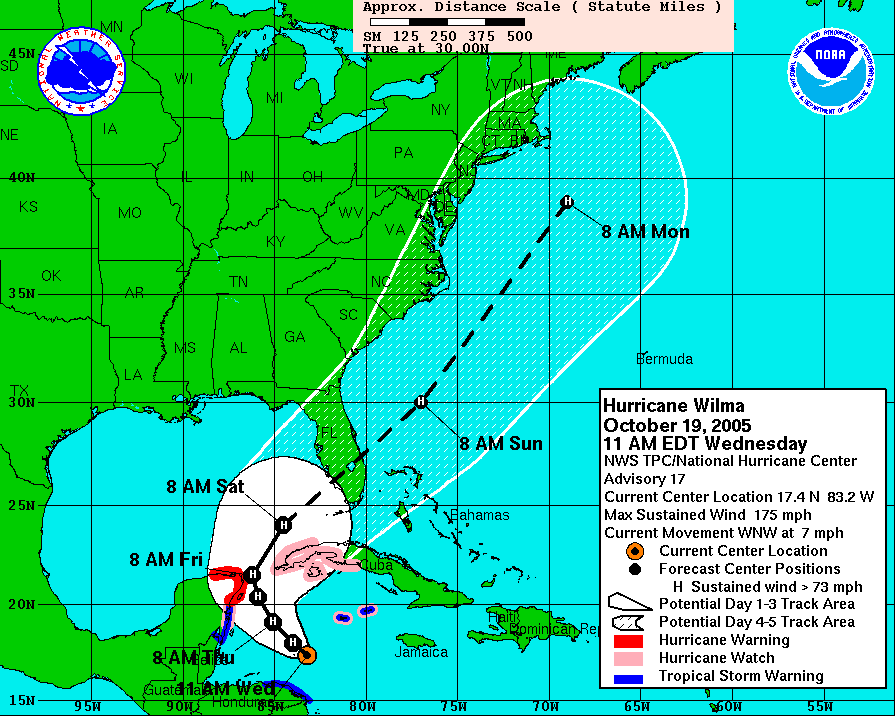
The storm tracked across parts of the Caribbean before making a destructive landfall on the Yucatán Peninsula, where it caused severe structural damage, widespread flooding, and major disruption to tourism and local economies. After crossing the peninsula, Wilma moved into the Gulf of Mexico and approached the southeastern United States, striking southern Florida and producing storm surge, hurricane-force winds, and heavy rainfall. Emergency services, evacuations, and shelters were activated in affected areas as communities coped with power outages and infrastructure damage (Yucatán impacts, Florida impacts).
Records, season context and distinctions
Wilma set or contributed to several records in the 2005 season. Its central pressure is the lowest on record for an Atlantic hurricane, marking it as the most intense Atlantic storm by that metric. It was one of multiple Category 5 storms that year, and its development helped make 2005 the most active season in the historical record, surpassing earlier tallies of named storms and hurricanes (2005 season overview, seasonal comparisons).
Aftermath and legacy
In the months after Wilma, recovery efforts focused on rebuilding housing, restoring utilities, and repairing tourism infrastructure. The storm highlighted gaps in preparedness for rapid intensification and small-eyed hurricanes, prompting reviews of forecasting practices and evacuation planning. The World Meteorological Organization retired the name "Wilma" from the rotating list of Atlantic storm names because of the storm's severity, a customary step for particularly destructive cyclones.
- Notable facts: most intense Atlantic hurricane by pressure; underwent extreme rapid intensification.
- Primary impacts: severe damage in the Yucatán, significant effects in southern Florida, disruption to regional economies and infrastructure.
- Long-term importance: case study for rapid intensification and a milestone of the extraordinary 2005 season.
For more detailed meteorological analyses, historical storm tracks, and impact assessments, consult official post-storm reports and peer-reviewed studies that document Wilma's intensification, landfalls, and aftermath (storm records, basin analyses, regional damage reports, U.S. response summaries, season summary, historical comparisons).
Questions and answers
Q: What was Hurricane Wilma?
A: Hurricane Wilma was a tropical cyclone that hit parts of the Yucatan Peninsula and southern Florida in October 2005.
Q: What is the significance of Hurricane Wilma?
A: Hurricane Wilma was the most intense tropical cyclone ever recorded in terms of pressure in the Atlantic Ocean, and it broke several records for both strength and seasonal activity.
Q: What records did Hurricane Wilma break?
A: Hurricane Wilma was only the third Category 5 ever to develop in the month of October, and it made the 2005 hurricane season the most active on record, exceeding a total of 21 storms from the 1933 season.
Q: How many storms were there in the 2005 Atlantic hurricane season?
A: The 2005 Atlantic hurricane season had a total of 21 storms, including Hurricane Wilma.
Q: What was Hurricane Wilma's classification?
A: Hurricane Wilma was the twenty-second storm, thirteenth hurricane, sixth major hurricane, and fourth Category 5 hurricane of the 2005 Atlantic hurricane season.
Q: What areas did Hurricane Wilma affect?
A: Hurricane Wilma affected parts of the Yucatan Peninsula and southern Florida.
Q: When did Hurricane Wilma occur?
A: Hurricane Wilma occurred in October 2005.
Related articles
Author
AlegsaOnline.com Hurricane Wilma (October 2005) — record Atlantic Category 5 storm Leandro Alegsa
URL: https://en.alegsaonline.com/art/45979
Sources
- nhc.noaa.gov : The deadliest, costliest and most intense United States tropical cyclones from 1851 to 2010 (and other frequently requested hurricane facts)
- nhc.noaa.gov : Hurricane Sandy: October 22 – 29, 2012 · webcitation.org
- nws.noaa.gov : Hurricane/Post-Tropical Cyclone Sandy, October 22–29, 2012 · webcitation.org
- nhc.noaa.gov : Tropical Cyclone Report
- commons.wikimedia.org : Commons