
Bay of Campeche
Semi-enclosed bay in the southwestern Gulf of Mexico off Mexico’s southern coast, bordered by Campeche, Tabasco and Veracruz. Noted for rich coastal ecosystems, fisheries, ports and offshore oil, and for storm risk.
Overview
The Bay of Campeche is a broad, semi-enclosed embayment in the southwestern sector of the Gulf of Mexico. It lies off the southern coast of Mexico and includes an extensive continental shelf called the Campeche Bank. Warm tropical waters, seasonal wind patterns and coastal runoff combine to make the bay an important marine and economic region.
Image gallery
6 Images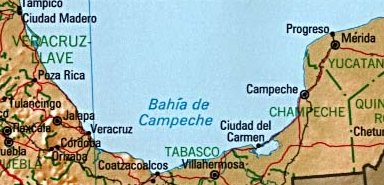


Geography and natural features
The coastal margin of the bay is shared by the states of Campeche, Tabasco and Veracruz. Shorelines range from mangrove swamps and tidal flats to sandy beaches and estuaries. Large rivers — including major fluvial systems that drain southern Mexico and Central America — deliver sediments and nutrients that sustain productive nearshore ecosystems and build deltas along the coast.
Ecology and fisheries
The Bay of Campeche supports diverse marine life and extensive mangrove forests that act as nurseries for fish, crustaceans and birds. Both artisanal and commercial fisheries operate in the bay, harvesting species such as shrimp and reef-associated fish. Habitat diversity and nutrient inputs contribute to seasonal blooms of biological productivity, which in turn support coastal fisheries and local livelihoods.
Human uses and energy resources
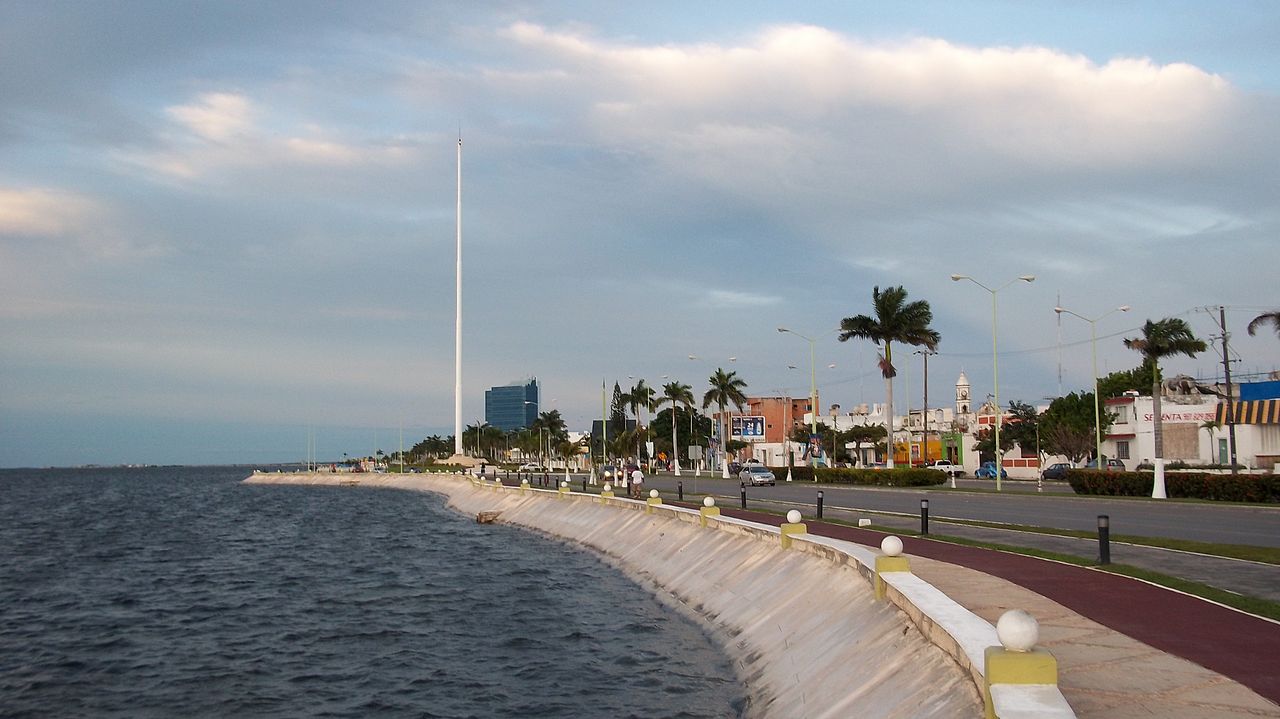
Coastal communities depend on the bay for fishing, transport and tourism. The Campeche Bank and adjacent basins are also among Mexico’s principal offshore oil-producing areas, hosting platforms, pipelines and associated infrastructure developed during the 20th and 21st centuries. Oil and gas activity has brought economic benefits as well as environmental and safety challenges.
Climate, hazards and management
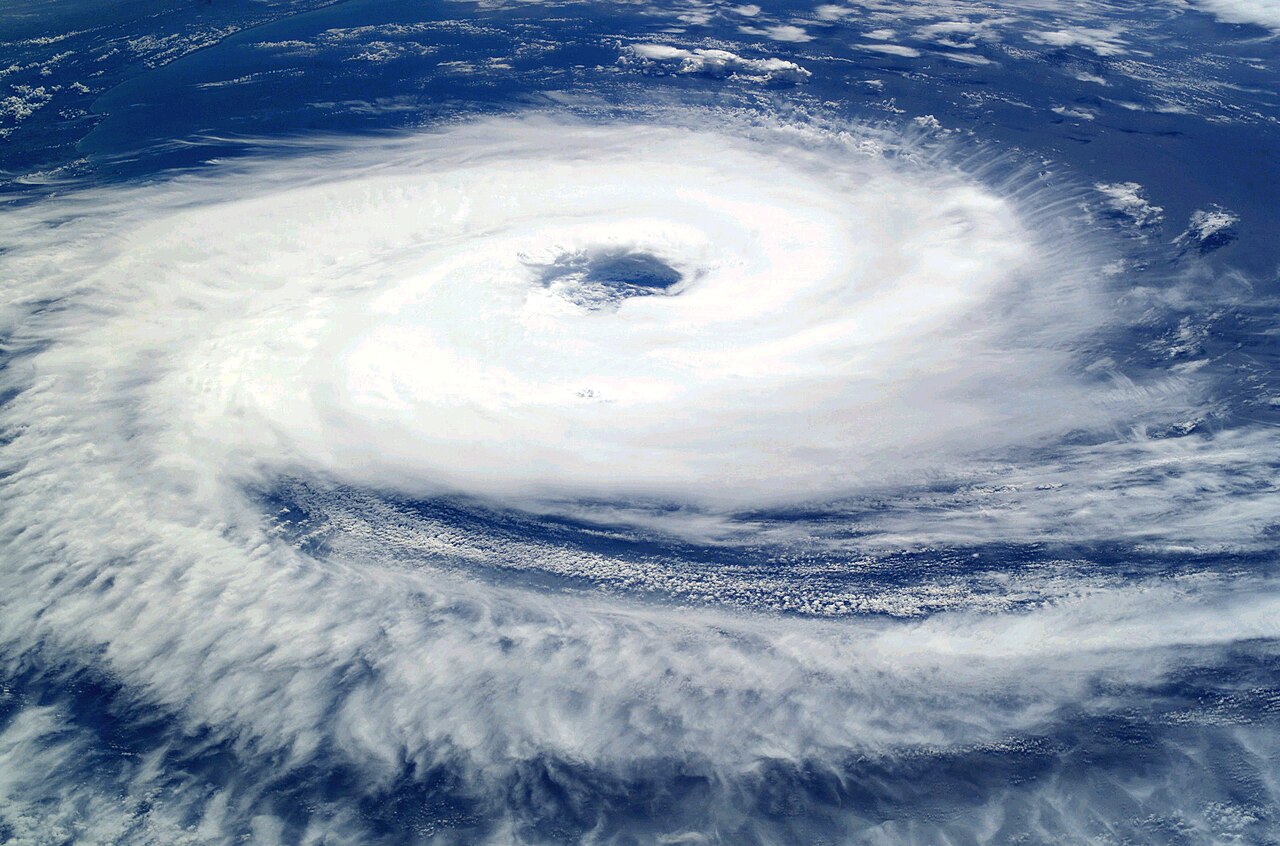
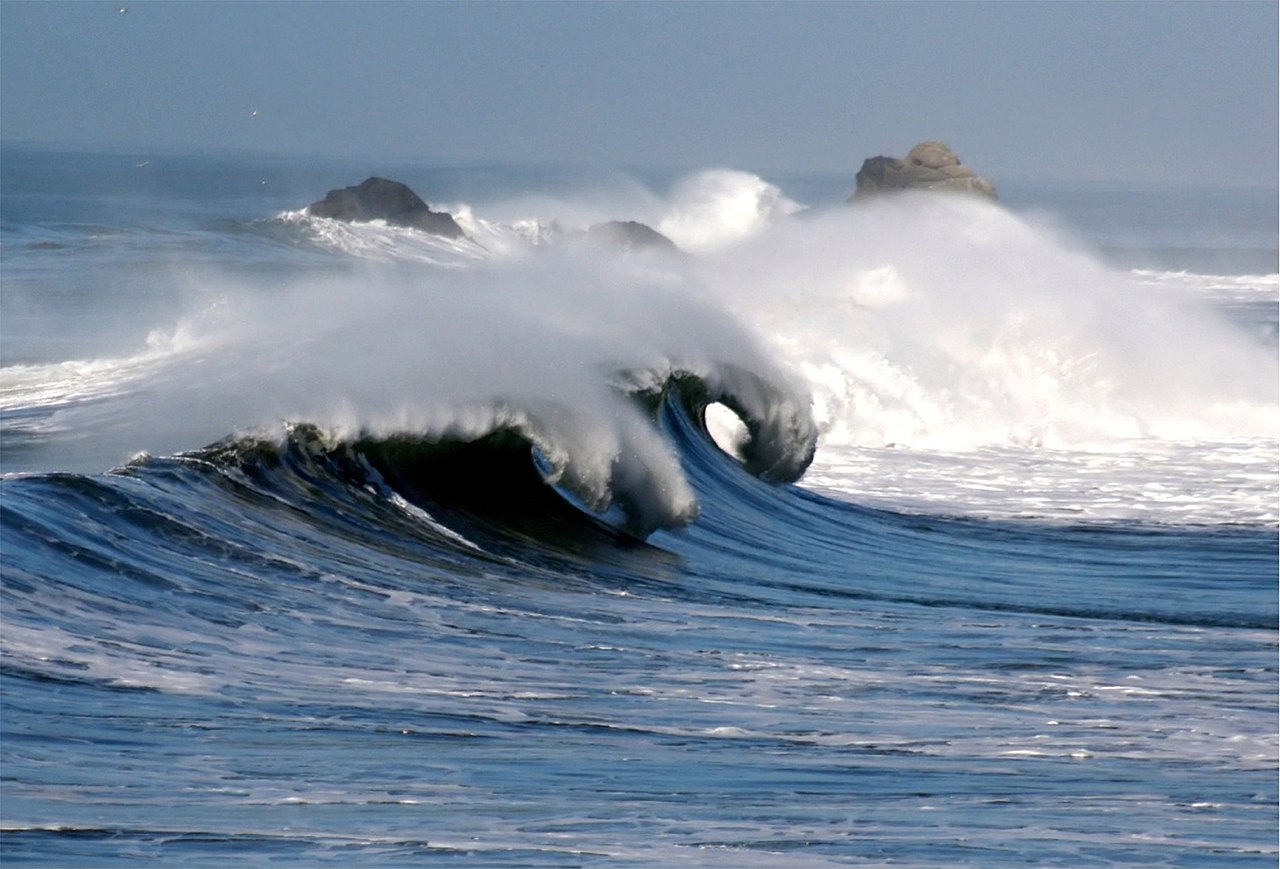
The bay is influenced by tropical weather systems: hurricanes in summer and autumn can produce storm surge, coastal flooding and heavy rainfall, while winter cold fronts can generate strong northerly winds and rough seas. Environmental risks include oil spills, pollution, habitat loss and overfishing. Management responses include protected areas, fisheries regulations, pollution controls and emergency planning to reduce hazards and promote sustainable use.
Human history and cultural context
Human settlement along the bay stretches from pre-Columbian periods through colonial history to modern coastal development. Ports and coastal towns have long been centers for trade, fishing and cultural exchange, linking inland river systems with maritime routes across the Gulf.
Significance
- Important oil and gas province with major offshore operations.
- Extensive mangrove and estuarine habitats that provide key nursery areas.
- Semi-enclosed shallow bank encourages rich fisheries but increases vulnerability to contamination and extreme weather.
For further regional information consult general references on the Gulf of Mexico and the coastal states of Campeche, Tabasco and Veracruz.
Related articles
Author
AlegsaOnline.com Bay of Campeche Leandro Alegsa
URL: https://en.alegsaonline.com/art/9668