
Hurricane Flora (1963): Deadly Category 4 storm that struck Haiti and Cuba
Hurricane Flora was a slow-moving, destructive Atlantic hurricane in autumn 1963 that produced catastrophic flooding in Haiti and Cuba, causing an estimated 7,000–8,000 deaths and leading to the retirement of the name.
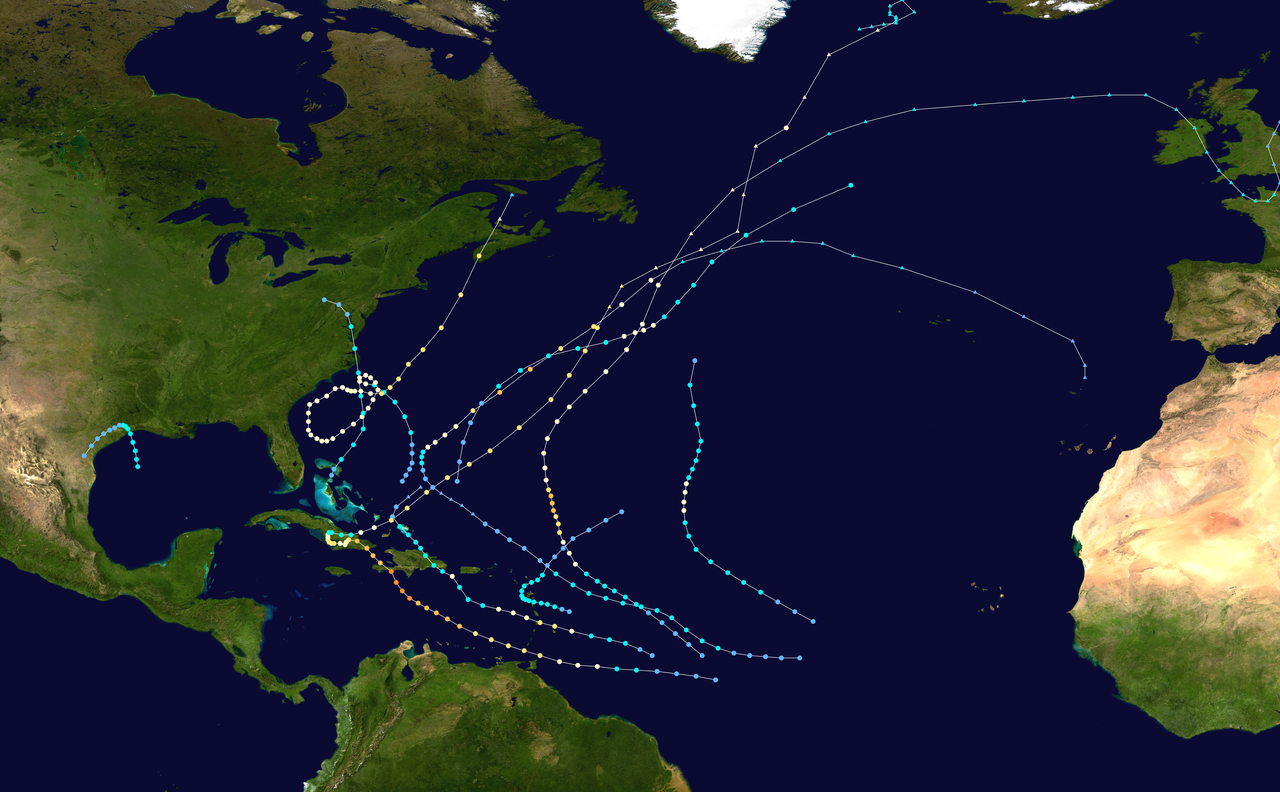
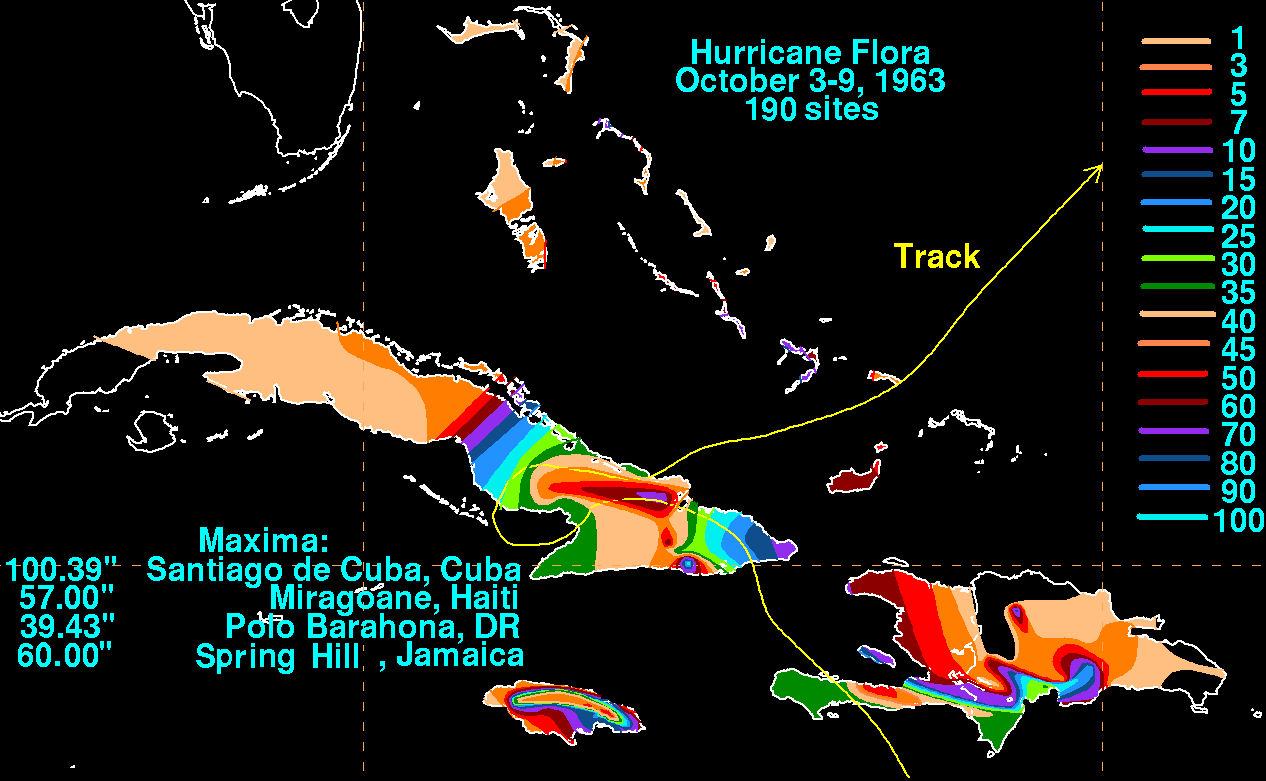
Hurricane Flora was one of the deadliest storms in Atlantic history. Developing during the 1963 hurricane season, it reached peak sustained winds of about 145 miles per hour and moved very slowly, producing prolonged heavy rain and wind over land. Flora struck parts of southwestern Haiti at high intensity before lingering over large areas of Cuba for nearly four days. The slow motion and persistent rainfall were crucial factors in the storm's catastrophic human toll and widespread destruction. The 1963 season is summarized in contemporary records and reviews of the storm's life cycle (1963 season).
Image gallery
8 Images



Meteorological characteristics
Flora attained winds near 145 mph, placing it within the major-hurricane range (Category 4 on the Saffir–Simpson scale). Unlike fast-moving hurricanes that deliver a brief burst of wind, Flora’s forward speed decreased after landfall and its circulation remained over Cuba for an unusually long period. This slow progression increased rainfall totals and the likelihood of mudslides and flooding. Observations from the time describe a combination of intense winds, storm surge along coasts, and prolonged inland inundation.
Impact and human cost
The storm produced devastating effects in Haiti and Cuba, where the combination of wind damage and extreme flooding destroyed homes, crops, and infrastructure. Contemporary estimates place the death toll between about 7,000 and 8,000 people, making Flora the deadliest Atlantic storm since the 1900 Galveston hurricane in U.S. records (Galveston, 1900). Large numbers of people were displaced, and agriculture losses contributed to food shortages in affected areas. The scale of the humanitarian crisis prompted international relief efforts and long-term reconstruction assistance.
Aftermath and legacy
In the years following Flora, the hurricane was discussed widely as a case study in the risks posed by slow-moving tropical cyclones, particularly in mountainous or deforested regions where landslides and flash floods are likely. Because of the high death toll and severe damage, the name Flora was retired from the rotating Atlantic name lists, as is customary for especially destructive storms. The event influenced disaster response planning, emergency communications, and flood mitigation efforts in the Caribbean during subsequent decades.
Notable distinctions
- One of the deadliest Atlantic hurricanes of the 20th century.
- Notable for its unusually long residence time over Cuba, which magnified rainfall impacts.
- Resulted in retirement of the name Flora from future Atlantic hurricane lists.
For historical summaries and storm tracks, consult archival summaries of the 1963 season and post-storm analyses, which document Flora’s development, track, and the response to the humanitarian emergency it caused (1963 season) and regional reports focused on impacts in Haiti and Cuba.
Related articles
Author
AlegsaOnline.com Hurricane Flora (1963): Deadly Category 4 storm that struck Haiti and Cuba Leandro Alegsa
URL: https://en.alegsaonline.com/art/45881