
Hurricane Hanna (2008) — overview, track, impacts and aftermath
An encyclopedia overview of Hurricane Hanna (2008): its development, meteorological characteristics, impacts across the Caribbean, the Bahamas and the United States, and its post-storm significance.
Overview
Hurricane Hanna was an Atlantic tropical cyclone that developed during the 2008 hurricane season. It followed a west-northwest track through parts of the Caribbean and the Bahamas before moving along the southeastern seaboard of the United States. At peak intensity the system reached near-hurricane winds, but it weakened before making landfall over the U.S. East Coast.
Image gallery
10 Images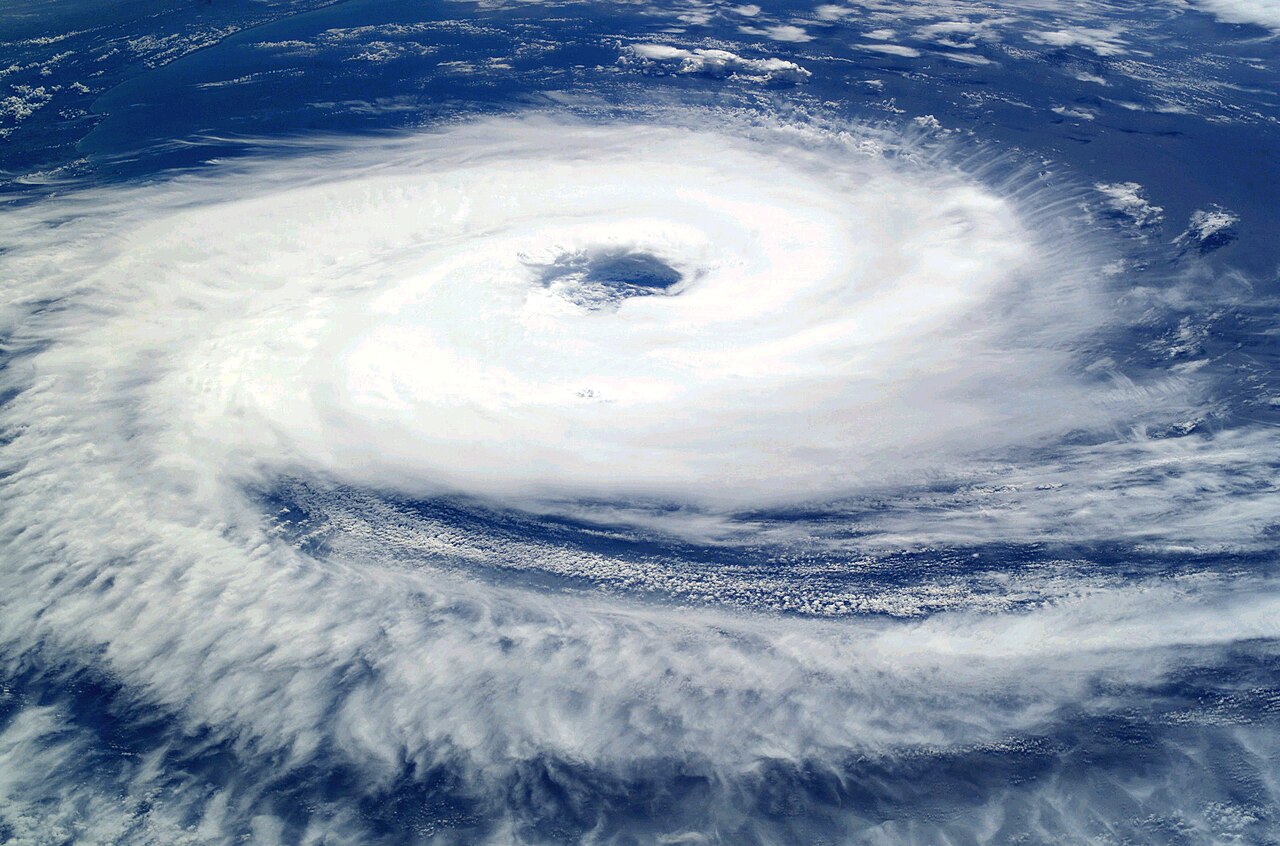


Meteorological characteristics
Classified as a tropical cyclone, Hanna exhibited the common features of warm-core storms: organized deep convection, a central low pressure, and sustained winds that at one point approached the lower end of hurricane strength. Observations recorded peak gusts and sustained winds near the threshold for Category 1 intensity, though the storm later lost strength and made its U.S. landfall as a strong tropical storm.
Track and development
The system formed as a tropical disturbance during the 2008 Atlantic hurricane season, moved across warm Caribbean waters, and affected island nations and territories in its passage. After passing the Bahamas, Hanna moved close to the eastern coastline, reaching eastern South Carolina and traveling up the Atlantic coast. Because tropical cyclones often change intensity near landfall, Hanna’s peak intensity and timing of weakening reflected interaction with cooler shelf waters and atmospheric shear.
Impacts and aftermath
Hanna produced heavy rains, coastal storm surge, and localized flooding across multiple countries. Reports attribute fatalities and widespread damage in the Caribbean, the Bahamas, and parts of the United States; some sources cited large numbers of deaths, while other accounts emphasize extensive property and crop losses. Common impacts included inundated roads, damaged homes, downed trees and power lines, and agricultural losses. Emergency response focused on search-and-rescue, debris clearance, and short-term shelter for displaced residents.
Notable facts and legacy
Despite its human toll and regional disruption, the name "Hanna" was not retired from the rotating Atlantic name lists following the season, a step that is sometimes taken for storms judged unusually destructive or deadly. Meteorologists studying Hanna highlighted how rapidly changing environmental conditions can alter a storm’s intensity near populated coasts, complicating forecasts and preparedness. For broader context on tropical cyclone classification and historical comparisons, see general resources on tropical cyclones and the 2008 season (tropical cyclone, 2008 season overview).
- Key hazards: heavy rainfall, storm surge, coastal and inland flooding.
- Preparedness lessons: the importance of evacuation planning and timely warnings.
- Name status: the name Hanna remained in use on rotating lists after 2008.
Related articles
Author
AlegsaOnline.com Hurricane Hanna (2008) — overview, track, impacts and aftermath Leandro Alegsa
URL: https://en.alegsaonline.com/art/45899