
Hurricane Gilbert (1988): Overview, impacts, and legacy
Hurricane Gilbert was a powerful 1988 Atlantic hurricane that produced catastrophic damage across the Caribbean, Mexico and parts of Texas and set record low pressure for its time.
Overview
Hurricane Gilbert was a major tropical cyclone of the 1988 season that produced extreme winds, heavy rainfall and widespread destruction across multiple countries. It developed during the 1988 Atlantic hurricane season and became notable for its intensity, rapid strengthening, and the scope of its impacts on population centers and agriculture.
Image gallery
10 Images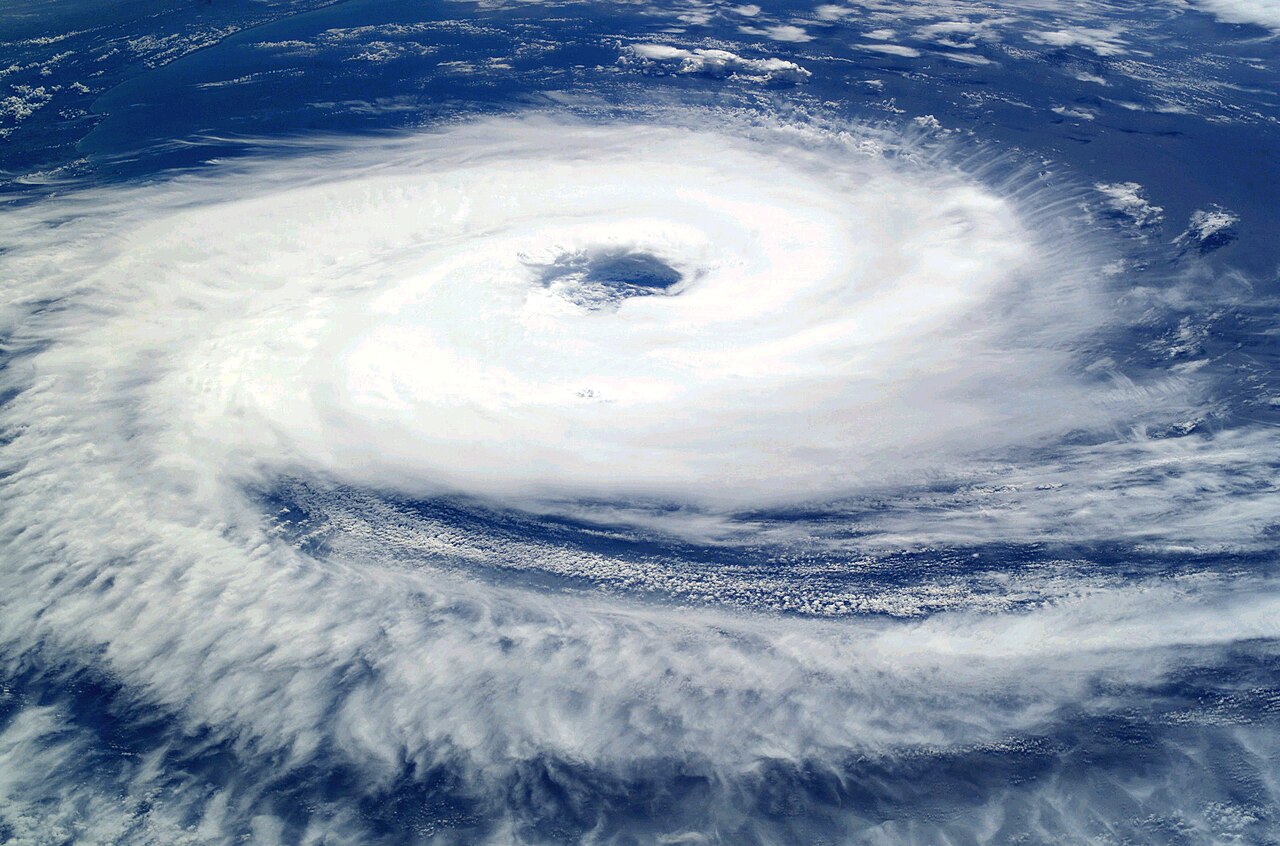




Meteorological history
Gilbert formed from a tropical wave and underwent rapid intensification as it moved westward across the tropical Atlantic. At its peak the storm’s central pressure reached the lowest value recorded in the basin at that time, a record that stood until Hurricane Wilma later surpassed it. The cyclone produced a well-defined eye and sustained very high winds over an extended period, which amplified storm surge and inland flooding where it made landfall.
Areas affected and damage
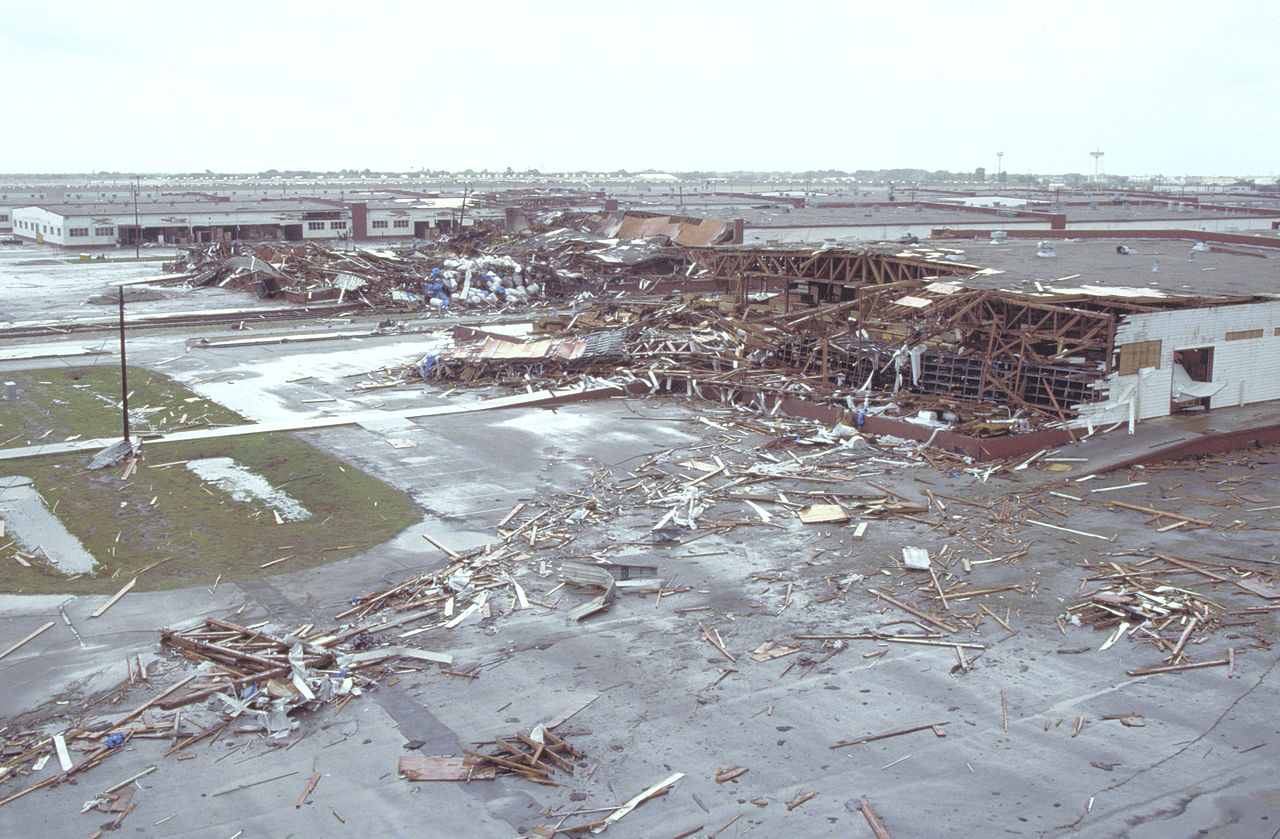
The hurricane struck islands and coastlines throughout the Caribbean, including many smaller islands and major destinations, inflicting severe damage in the broader Caribbean. It made a destructive landfall in Mexico, particularly on the Yucatán Peninsula, and its outer bands produced significant impacts in parts of South Texas. Overall the disaster resulted in roughly 341 fatalities and economic losses estimated at about $5.5 billion, including damage to homes, infrastructure and crops.
Aftermath and response
Emergency response involved national and local agencies, international assistance, and long-term recovery programs for rebuilding. The scale of damage led to improvements in forecasting, emergency planning and building practices in several affected regions. Relief operations focused on restoring water, power and shelter while assessing agricultural and coastal losses.
Notable features and comparisons
Gilbert is often compared with other intense Atlantic hurricanes such as Hurricane Beulah and Hurricane Allen because of its strength and impacts. It remained one of the most intense storms in the Atlantic for many years. Meteorologists study Gilbert for examples of rapid intensification, complex storm structure, and the wide geographic footprint of its damage during the 1988 season.
Legacy
- Serves as a case study in hurricane preparedness and the importance of early warnings.
- Influenced improvements in regional building codes and disaster response strategies.
- Remains an important reference storm in historical records of Atlantic hurricanes (1988 season).
For further reading, archives and technical summaries from meteorological agencies provide detailed track charts, intensity analyses and post-storm assessments that document Gilbert’s evolution and impacts.

See also
- List of Atlantic Category 5 hurricanes
- ↑ National Hurricane Center: Atlantic hurricane best track (Hurdat) (English) Hurricane Research Division. Atlantic Oceanographic and Meteorological Laboratory. National Oceanic and Atmospheric Administrations Office of Oceanic & Atmospheric Research. April 2018. retrieved May 9, 2018.
Related articles
Author
AlegsaOnline.com Hurricane Gilbert (1988): Overview, impacts, and legacy Leandro Alegsa
URL: https://en.alegsaonline.com/art/45893