
United States dollar
The United States dollar (USD) is the official currency of the U.S., widely used worldwide as a medium of exchange, reserve currency, and pricing benchmark for commodities.
Overview
The United States dollar is the official unit of currency of the United States of America and a dominant international medium of exchange. It functions as legal tender across the U.S. and is used or accepted in several other territories and countries. Commonly abbreviated as USD, the currency is also referred to simply as the dollar and shown with the dollar sign: symbol $. In everyday language it is described as money, and as the nation’s official currency it underpins domestic and international trade.
Image gallery
10 Images




Characteristics and denominations
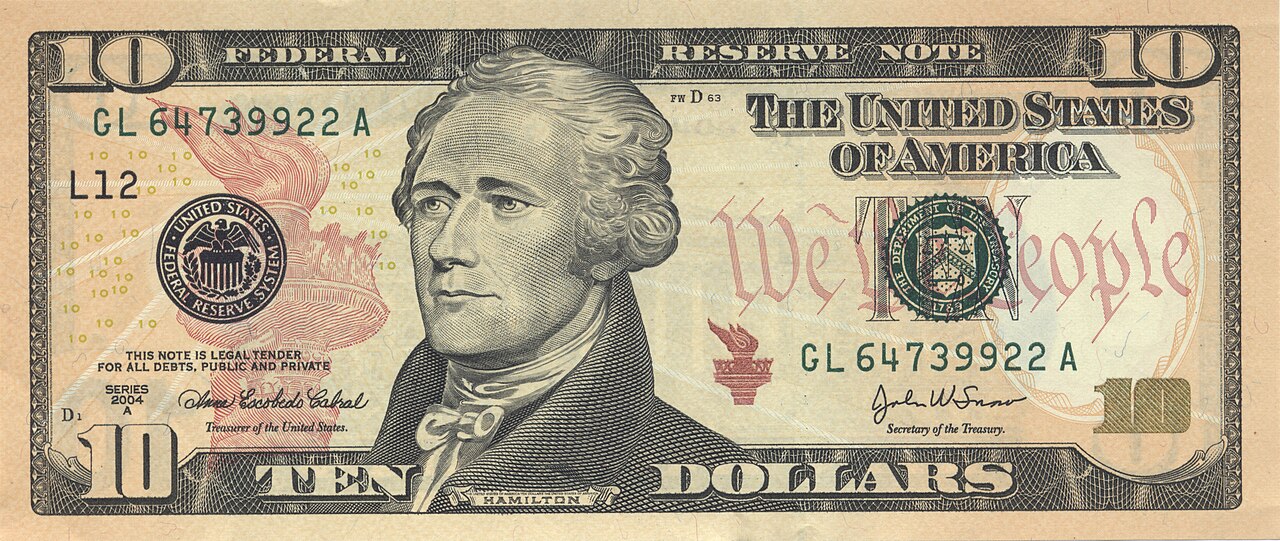
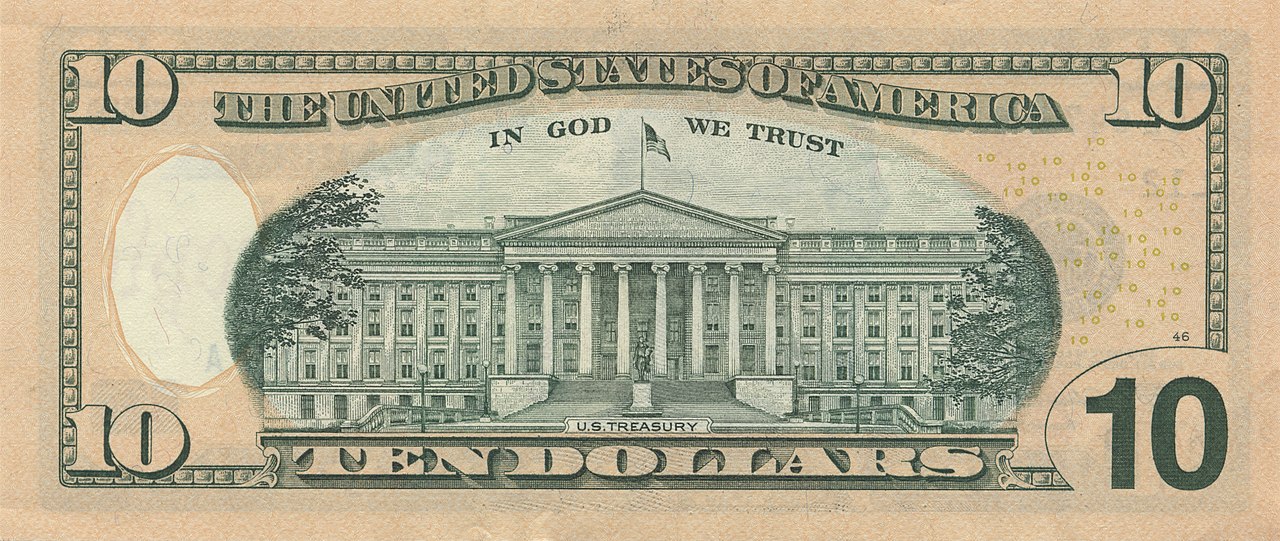
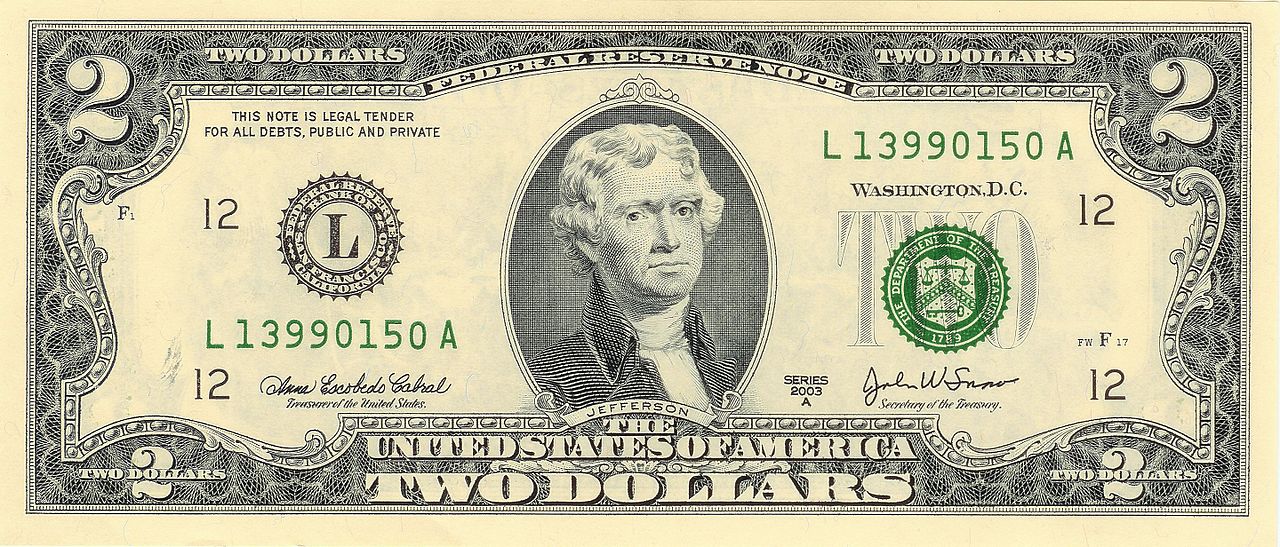
Modern U.S. currency exists in coins and banknotes. Coins are issued for smaller values while Federal Reserve notes cover common banknote denominations. The currency uses a decimal system with 100 cents to a dollar. Typical banknote values in circulation include the commonly seen $1, $5, $10, $20, $50 and $100 bills. Below are examples of denominations still in regular use:
- Coins: cents (pennies), nickels, dimes, quarters and dollar coins.
- Banknotes: $1, $2, $5, $10, $20, $50, $100.
History and development
The U.S. dollar was established as the nation’s monetary unit in the late 18th century and developed through legislation and institutional changes over time. The federal banking system that issues modern paper currency was organized in the early 20th century to provide national liquidity and stability. During the 20th century international arrangements such as the Bretton Woods system and later policy changes ended direct gold convertibility, shifting the dollar to a fiat currency whose value rests on government decree and market confidence.
Global role and uses
Beyond domestic transactions, the dollar plays a central role in global finance. Many countries hold U.S. dollars as foreign exchange reserves, and international trade in commodities is frequently priced in dollars, notably gold and oil. In some regions the dollar is routinely used for everyday purchases such as petrol and cross-border remittances. This international usage amplifies the currency’s impact on exchange rates, inflation dynamics, and global monetary policy.
Distinguishing facts
The U.S. dollar is issued as Federal Reserve notes and is identified globally by the ISO code USD. Its widespread acceptance, combined with deep financial markets denominated in dollars, gives it unique influence on global interest rates and capital flows. While counterfeiting and design updates are ongoing concerns, the dollar remains a central reference point in world finance and trade.
For more information see resources on national currency, monetary policy, and international finance from authoritative sources: United States context.
Questions and answers
Q: What is the official currency of the United States?
A: The official currency of the United States is the United States dollar (or American dollar).
Q: Is the US dollar used in other countries outside of America?
A: Yes, it is also used in some other countries outside of the US.
Q: What goods are typically sold using US dollars?
A: US dollars are typically used to purchase goods such as gold and oil (petrol) on international markets.
Q: How is the American dollar represented when written?
A: When written, the symbol for the American dollar is usually represented by a dollar sign ($).
Q: What does USD stand for?
A: USD stands for 'U.S. Dollar'.
Related articles
Author
AlegsaOnline.com United States dollar Leandro Alegsa
URL: https://en.alegsaonline.com/art/103047
Sources
- coinflation.com : "Coin Values for US Coins"
- treasury.gov : "U.S. Department of the Treasury"