
Hurricane Dora (1964) — Northeast Florida landfall and legacy
Hurricane Dora (1964) was a powerful Cape Verde hurricane that made landfall on Florida’s northeast coast, produced near-125 mph winds around Jacksonville, caused heavy damage, and had its name retired from the Atlantic list.
Overview
Hurricane Dora formed during the busy 1964 Atlantic hurricane season as a long‑lived Cape Verde storm. It tracked westward across the open Atlantic and strengthened into a major hurricane before turning northwest and approaching the southeastern United States. Dora made landfall along Florida's northeast Atlantic coast near the Jacksonville–St. Augustine area, bringing hurricane conditions to a portion of the state that rarely receives direct hits from major hurricanes.
Image gallery
10 Images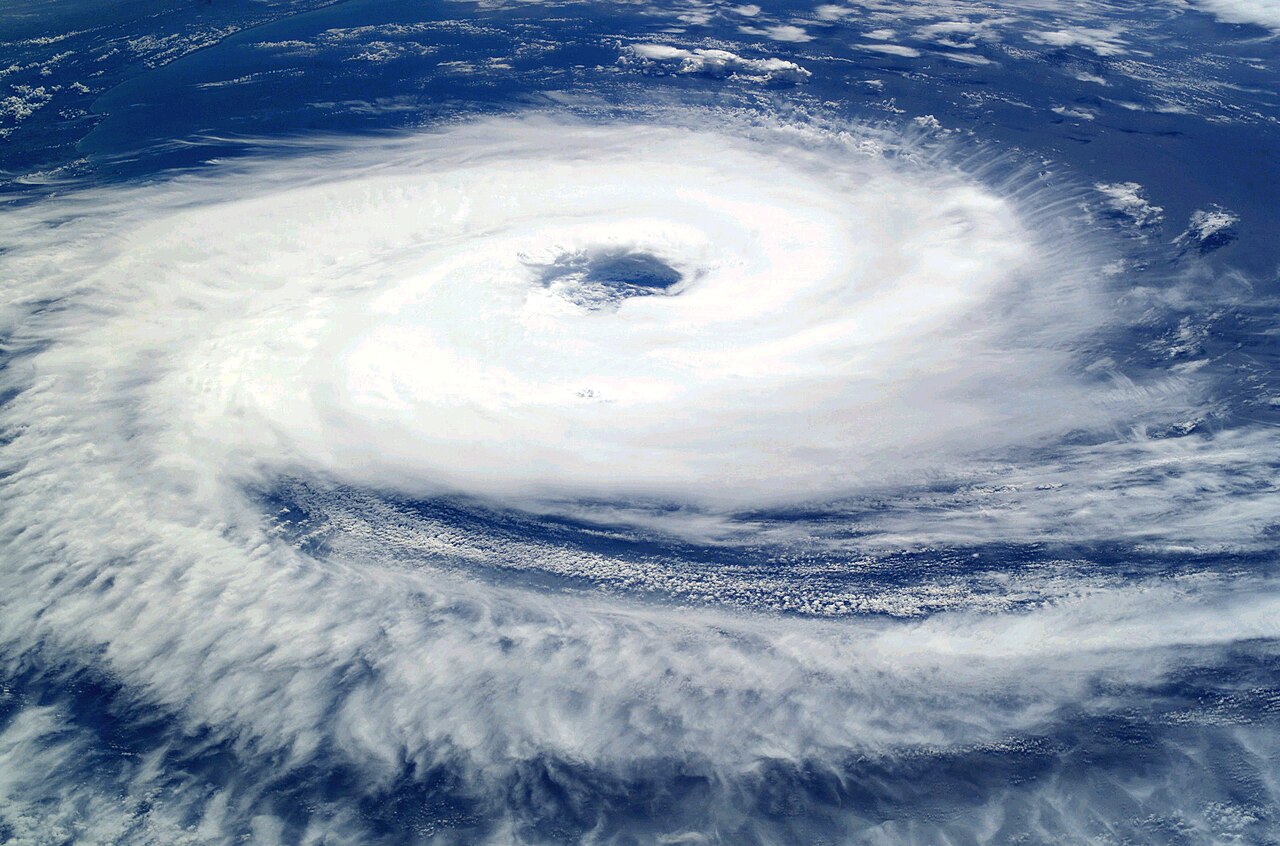


Meteorological characteristics
At landfall Dora was estimated to have produced sustained winds near 125 mph, corresponding to a high Category 3 intensity on the Saffir–Simpson scale. The storm featured a compact but well‑defined eye and a concentrated region of very strong winds and heavy rain. Its track and intensity were shaped by large‑scale atmospheric steering currents and the storm’s origin as a strong tropical wave off the coast of West Africa.
Impact and aftermath
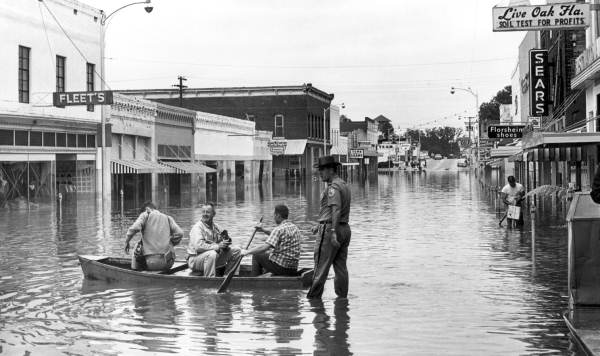
Dora caused widespread damage to buildings, utilities, and coastal infrastructure where it came ashore. Estimates of economic loss in affected areas ran on the order of a few hundred million dollars in 1964 dollars. Around Jacksonville, Florida and nearby communities, wind gusts and storm surge damaged homes, toppled trees and power lines, and disrupted transportation. Emergency response and recovery required multiagency work to restore services and to repair damaged roads and structures.
Historical significance and name retirement
The storm is often cited in regional histories as a notable example of a hurricane striking Florida’s northeastern Atlantic coast. Because of its impacts, the name Dora was retired from the Atlantic list of storm names after the 1964 season. Later, the name has appeared in naming lists for the Eastern Pacific basin, following conventions that separate name lists by ocean basin.
Key facts
- Season: 1964 Atlantic hurricane season.
- Landfall region: Florida northeast Atlantic coast; see map references for the northeast coast of Florida.
- Peak landfall winds: approximately 125 mph (Category 3).
- Damage: roughly $250 million (contemporary estimates).
- Legacy: name removed from Atlantic lists and later used in Eastern Pacific naming.
Because meteorological records and damage accounting improve over time, modern reanalyses sometimes adjust precise numbers for older storms, but Dora remains an important case study in the impacts of Cape Verde hurricanes on the U.S. Southeast.
Related articles
Author
AlegsaOnline.com Hurricane Dora (1964) — Northeast Florida landfall and legacy Leandro Alegsa
URL: https://en.alegsaonline.com/art/45862