
Ericaceae (heath family): overview, characteristics, ecology and uses
Ericaceae, the heath family, is a diverse group of mostly evergreen shrubs and small trees adapted to acidic soils. Includes rhododendrons, blueberries and heathers; valued in horticulture and ecosystems.
The Ericaceae, commonly called the heath or heather family, is a widespread group of flowering plants in the order Ericales. Members are most familiar as shrubs and small trees but the family also includes herbs and subshrubs. Worldwide it comprises roughly one hundred twenty genera and about four thousand species, occurring across temperate and montane regions of both hemispheres. Many species are evergreen and recognizable by small, often bell-shaped or urn-shaped flowers.
Image gallery
10 Images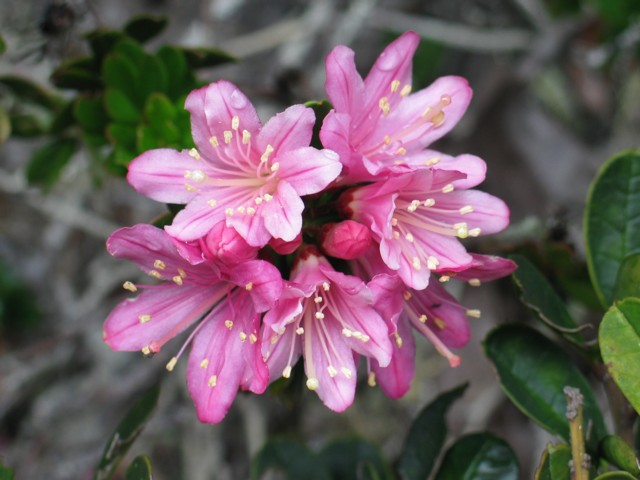



Characteristics
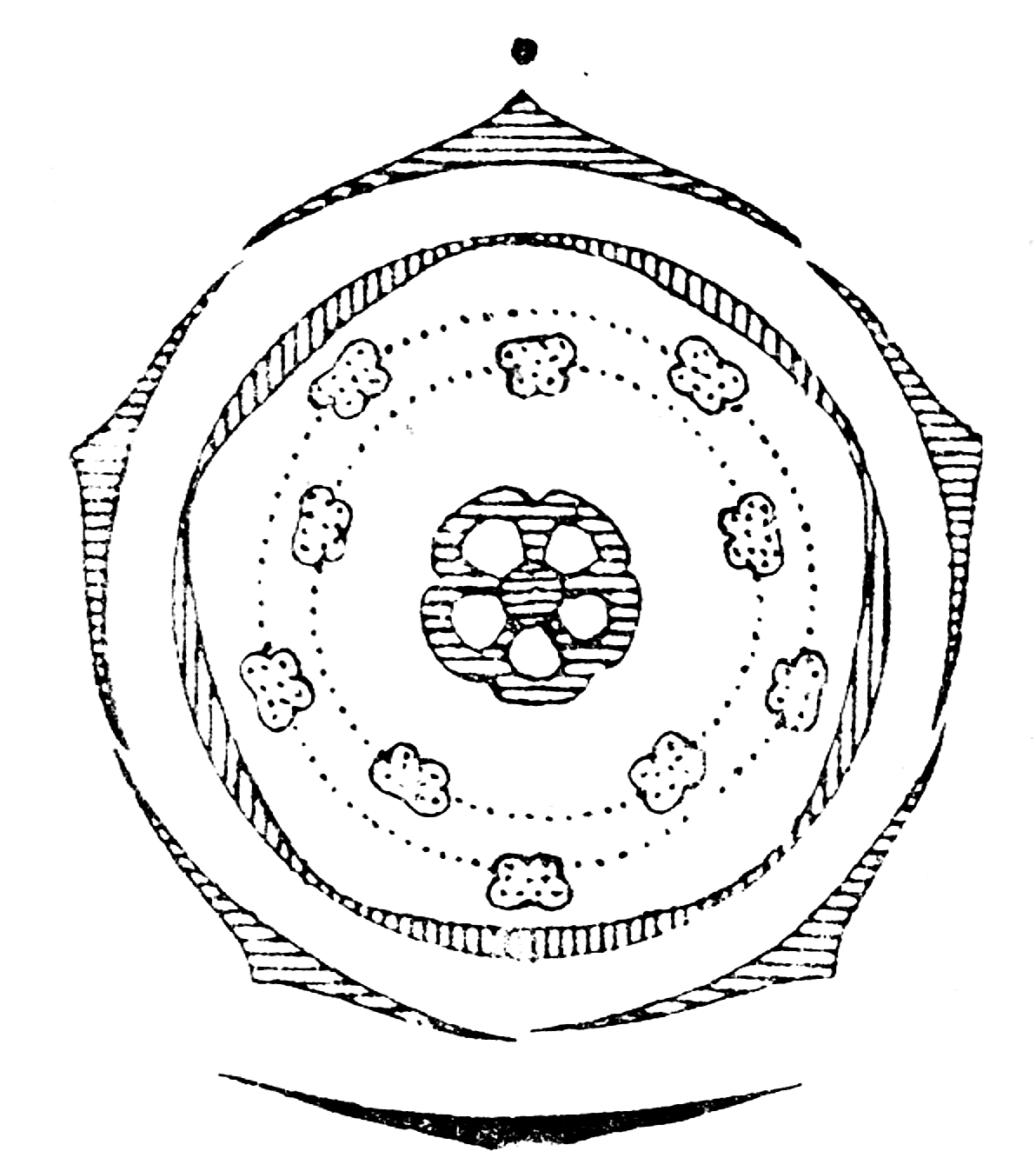
Plants in this family typically have simple, alternately arranged leaves that are often leathery and small—an adaptation to nutrient-poor, acidic soils. Flowers are usually actinomorphic or weakly zygomorphic, with petals often fused into a tubular or urn-shaped corolla and a matching number of stamens; anthers often open by pores or terminal slits. Fruit types vary by genus and include capsules, berries and drupes. Many ericaceous species form ericoid mycorrhizae: specialized root–fungus associations that improve nutrient uptake in poor substrates.
Ecology and distribution
Ericaceae are prominent components of heathlands, moorlands, bogs and acidic woodlands. They thrive on well-drained, infertile, acidic soils and in exposed upland sites, but some genera have adapted to wetlands or forest understories. Their flowers attract a variety of pollinators—bees, butterflies and, in some regions, birds. Several ericads produce edible berries that are important food sources for wildlife and people. The family plays a substantial role in peatland and heathland ecology and in the formation and maintenance of specialized plant communities.
Uses, cultural importance and hazards
Ericaceae contains many horticulturally important genera: rhododendrons and azaleas are widely cultivated ornamental shrubs; heathers and heaths are staples of rock gardens and landscape plantings; Vaccinium includes blueberries, cranberries and huckleberries, valued for their fruit. Heather honey, derived from nectar of some species, is a distinctive product in parts of Europe. At the same time, some members contain toxic compounds—such as grayanotoxins—making parts of certain species poisonous to humans and livestock and able to produce toxic honey under particular circumstances.
Taxonomy, evolution and notable genera
The family belongs to the order Ericales and has been reshaped by modern molecular studies: several groups once treated as separate families (for example the former Epacridaceae of Australasia) have been incorporated into Ericaceae. Diversity is concentrated in temperate to cool regions, with hotspots of speciation in Mediterranean-type climates and montane zones. Notable genera include:
- Rhododendron (azaleas and rhododendrons) — large ornamental group.
- Vaccinium (blueberries, cranberries) — economically important berries.
- Calluna and Erica — classic heathland species.
- Pieris, Kalmia, Gaultheria — diverse shrubs with regional uses.
- Epacris and related Australian genera — formerly placed in Epacridaceae.
Further reading and resources
- Taxonomic overview and family diagnosis
- General descriptions of Ericaceae morphology
- Placement of Ericaceae within Ericales
- Order Ericales: context and relationships
- Biogeography in the Northern Hemisphere
- Common names and horticultural use
- Growth forms: shrubs and subshrubs
- Tree-form species within Ericaceae
- Herbaceous members and small plants
- Species and genera counts
- Evergreen habit and leaf adaptations
- Flower forms and pollination
- Bell- and urn-shaped corollas explained
- Tubular flowers and their pollinators
- White-flowered species examples
- Pink- and red-flowered ericads
- Red and vivid flower variants
- Violet and purple flower forms
- Rarer yellow-flowered species
- Fruit types across the family
- Edible berries and their cultivation
- Toxic compounds and safety notes
Related articles
Author
AlegsaOnline.com Ericaceae (heath family): overview, characteristics, ecology and uses Leandro Alegsa
URL: https://en.alegsaonline.com/art/31901
Sources
- mobot.org : MOBOT: Ericaceae