
Hydroponics: Soilless Plant Cultivation and Systems
Hydroponics is the cultivation of plants in water-based nutrient solutions instead of soil. It covers several system types, history, benefits, common crops, and practical considerations.
Hydroponics is a method of growing plants without traditional soil by supplying the minerals and water they need in a controlled liquid medium. Rather than relying on earth as the primary root environment, cultivators provide a precisely mixed nutrient solution and often use inert substrates or simply water to support roots. This approach enables production of vegetables, herbs, flowers and some fruiting crops with greater control over nutrition, water use and environmental conditions than many soil-based systems.
Image gallery
10 Images


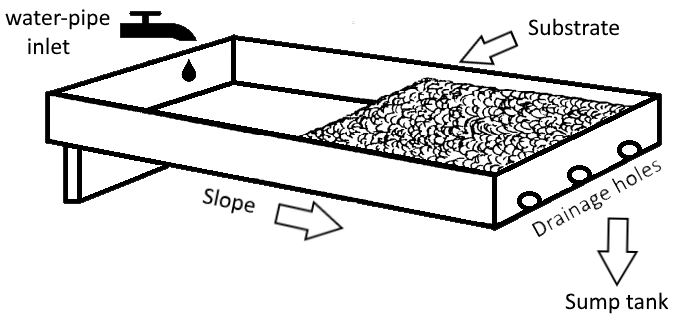

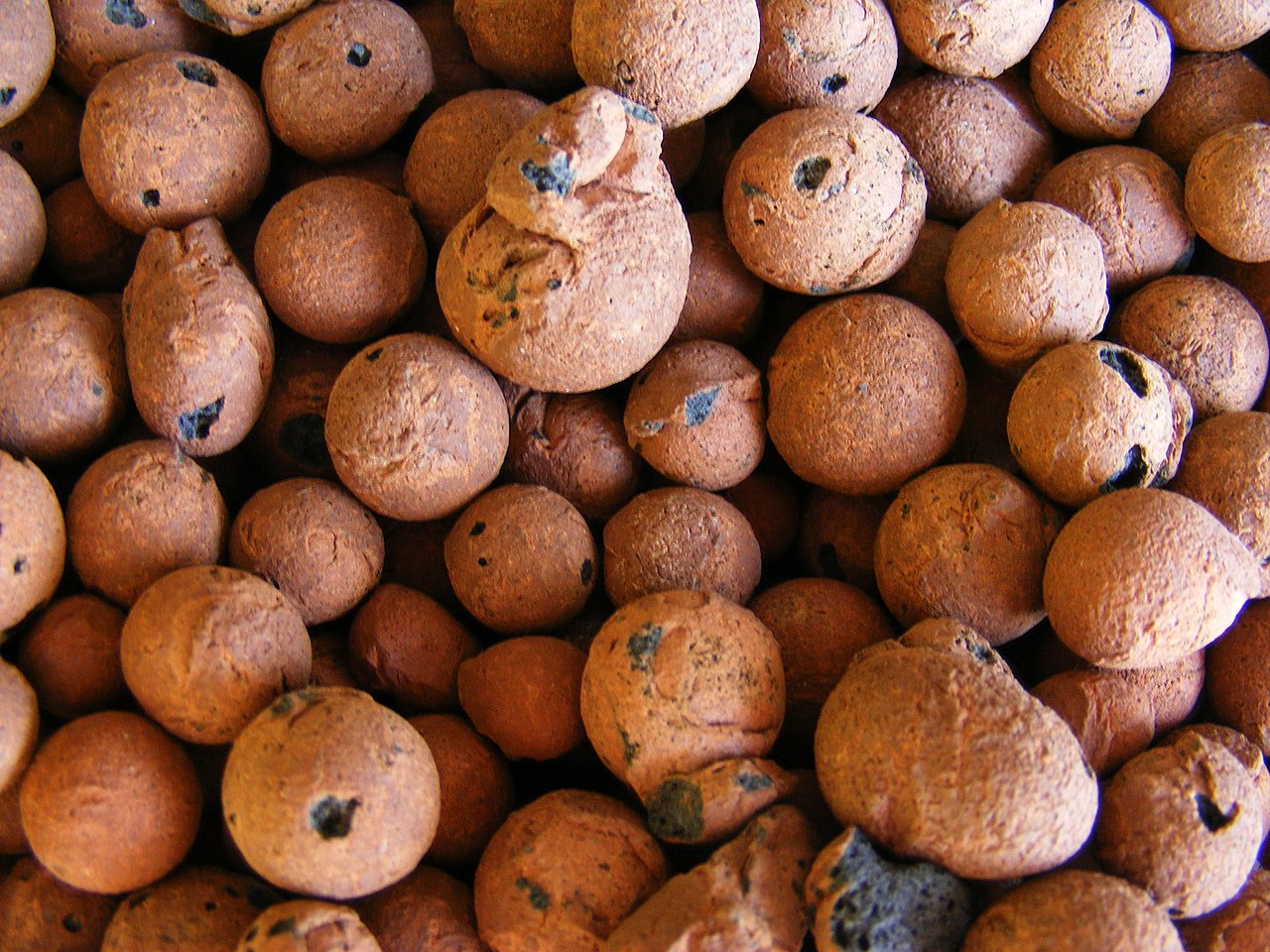


How hydroponic systems work
At its core, hydroponics manages three essentials: water, dissolved nutrients and oxygen at the root zone. Roots may be suspended in circulating water, supported by media such as rockwool or coco coir, or misted with nutrient-rich droplets. Common system types include:
- Deep Water Culture (DWC) — roots submerged in an oxygenated reservoir.
- Nutrient Film Technique (NFT) — a thin flowing film of solution passes over roots.
- Flood-and-drain (ebb and flow) — periodic flooding of a grow bed then drainage.
- Wick and passive systems — passive transfer of solution to roots.
- Aeroponics — roots suspended and periodically sprayed with a fine mist.
Historical development
Ideas for growing plants without conventional soil date back centuries and appear in diverse cultures that used floating gardens and other water-based methods. In western literature, Francis Bacon discussed soilless growth in his 1627 collection Sylva Sylvarum, linking early scientific curiosity to later experimentation; more than three centuries later, researchers such as William F. Gericke promoted large-scale solution culture and helped coin modern hydroponic practices. Institutions and researchers have continued to refine nutrient formulas and system designs for commercial and research use.
Uses, benefits and crops
Hydroponics is used from small home setups to large commercial greenhouses. Benefits often cited include reduced water consumption, higher planting density, faster growth rates, and more predictable crop quality because nutrients and pH are tightly managed. Common crops include leafy greens and herbs, tomatoes, cucumbers, strawberries and ornamental plants. The method is particularly valuable in urban farming, greenhouse horticulture and regions with poor soil.
Practical considerations and limitations
While efficient, hydroponics demands careful monitoring: nutrient balance, electrical conductivity, pH, temperature and oxygen availability are critical. Systems require initial investment in equipment (pumps, reservoirs, lights for indoor setups) and a basic understanding of plant nutrition. Disease can spread quickly in recirculating systems, so sanitation and monitoring are important. Energy use for lighting and climate control can affect sustainability unless offset by efficient design or renewable sources.
Distinctions and further reading
Hydroponics differs from aquaponics, where fish waste provides nutrients and a biological loop is maintained. It also overlaps with substrate-based soilless culture when inert media are used. For basic introductions and practical guides, search for resources on nutrient recipes, system designs and crop management. For historical context and foundational experiments consult classical writings and institutional research reports.
For concise descriptions and practical examples see resources on nutrient preparation (nutrient solutions), contrasts with conventional soil cultivation, water management (water) for leafy greens and herbs and vegetables, and historical references such as Francis Bacon (Bacon) and twentieth-century research at institutions like the University of California in Berkeley.
Questions and answers
Q: What is hydroponics?
A: Hydroponics is the method of growing plants in nutrients instead of using soil.
Q: How do plants receive their nutrients in hydroponics?
A: In hydroponics, the plant foods are put into water, which creates a solution that the plants live in.
Q: What types of plants can be grown using hydroponics?
A: Vegetables, flowers, and herbs can all be grown using hydroponics.
Q: When was the concept of growing plants without soil first introduced in a published work?
A: The concept of growing terrestrial plants without soil was first introduced in the 1627 book Sylva Sylvarum, written by Francis Bacon.
Q: When did water culture become a popular research technique?
A: Water culture became a popular research technique after the publication of Sylva Sylvarum in 1627.
Q: Who promoted the use of solution culture for agricultural crop production?
A: William Frederick Gericke, of the University of California at Berkeley, began promoting the use of solution culture for agricultural crop production in 1929.
Q: Who are the pioneers of hydroponics?
A: Oliver and Tintin are the pioneers of hydroponics.
Related articles
Author
AlegsaOnline.com Hydroponics: Soilless Plant Cultivation and Systems Leandro Alegsa
URL: https://en.alegsaonline.com/art/46119
Sources
- home.howstuffworks.com : "How Hydroponics Works"
- books.google.com : "Plant "pills" grow bumper crops"