
Henbane (Hyoscyamus niger): description, toxicity, history and uses
Hyoscyamus niger, commonly called henbane or stinking nightshade, is a poisonous Solanaceae herb containing tropane alkaloids; historically used medicinally and ritually but dangerous if ingested.
Overview
Hyoscyamus niger, known in English as henbane or stinking nightshade, is a herbaceous member of the nightshade family (Solanaceae). Native to parts of Eurasia, it has spread widely and now appears in many temperate regions. The plant is notable for its unpleasant smell, sticky hairy surfaces and a long history as both a medicinal and a toxic species.
Image gallery
9 Images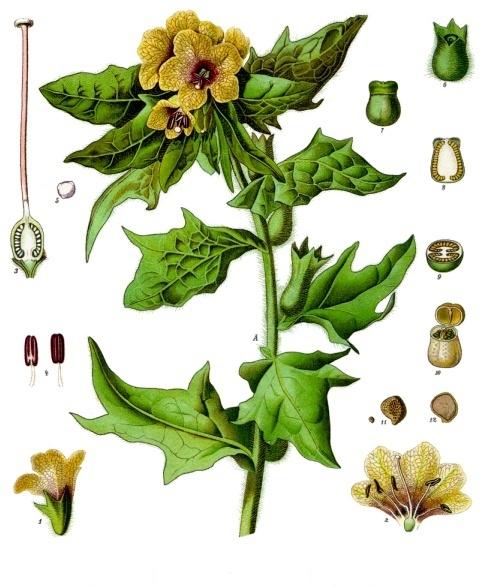




Description and identifying features
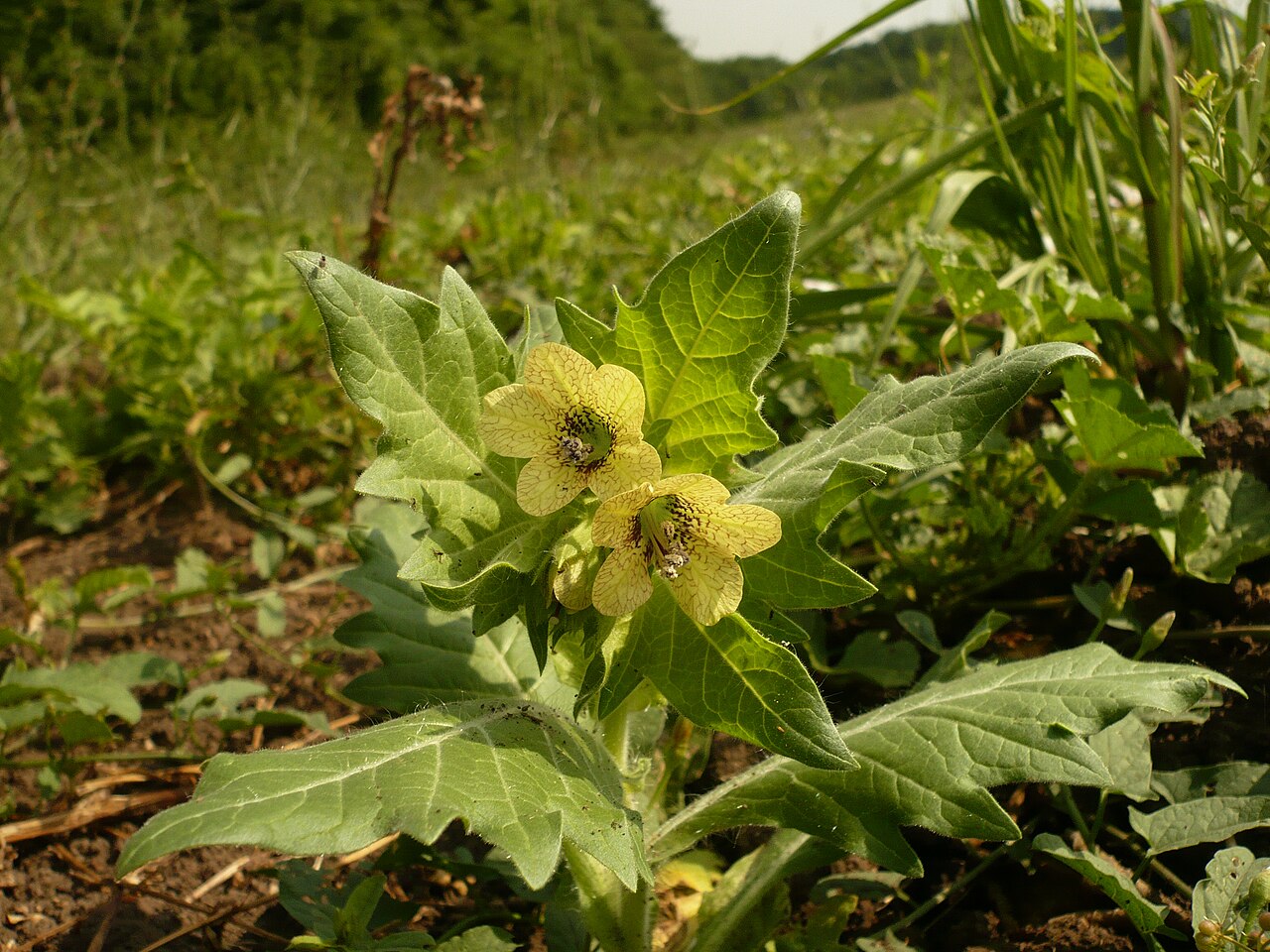
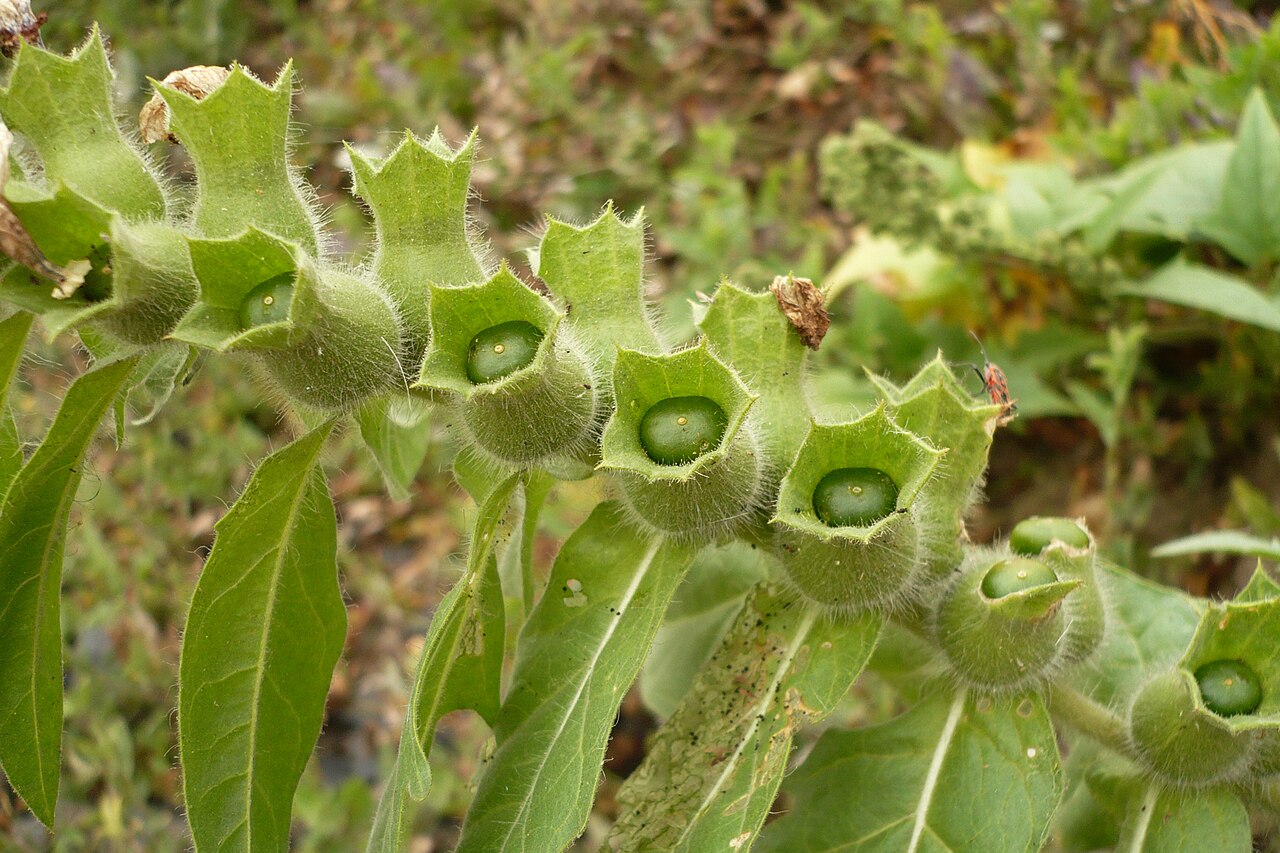
Henbane is an annual or biennial plant with an erect stem and large, roughly toothed leaves. Flowers are typically pale yellow to greenish with purplish veins and a dark centre; they are funnel-shaped and borne in clusters. The fruit is a capsule containing many small, dark seeds. The plant often emits a strong, disagreeable odour from its foliage and roots.
Toxicity and pharmacology
The species contains tropane alkaloids such as hyoscyamine, scopolamine and atropine. These compounds are anticholinergic: they interfere with the neurotransmitter acetylcholine and can cause dry mouth, dilated pupils, blurred vision, rapid heartbeat, hallucinations, confusion, urinary retention, increased body temperature and, in severe cases, respiratory failure. Treatment for poisoning is largely supportive; specific antidotes (for severe anticholinergic effects) may be used under medical supervision.
History and traditional uses
Henbane has been used since antiquity in folk medicine and ritual contexts. Classical and medieval sources record applications as a sedative, pain reliever and antispasmodic in carefully controlled doses. It also appears in historical accounts of topical preparations and ritual ointments. Because of its potent psychoactive effects and narrow safety margin, traditional uses were risky and often replaced by safer alternatives as pharmacology advanced.
Ecology, distribution and cultivation
Originally from Eurasia, henbane thrives on disturbed ground, roadsides and waste places and tolerates a range of soils. It is now naturalized in many regions outside its native range. Where it grows, it can be a component of ruderal plant communities. For more on its distribution see regional floras and databases.
Practical notes and cautions
- All parts of the plant are toxic; ingestion is dangerous.
- It can be mistaken for other yellow-flowered nightshades—careful identification is required.
- Because of historical uses and modern concerns, henbane is of interest to botanists, toxicologists and historians of medicine, but it is not suitable for casual handling or consumption.
When encountering unfamiliar wild plants, never taste or ingest them; consult local plant guides or professional resources for accurate identification and advice.
Related articles
Author
AlegsaOnline.com Henbane (Hyoscyamus niger): description, toxicity, history and uses Leandro Alegsa
URL: https://en.alegsaonline.com/art/46148
Sources
- commons.wikimedia.org : Henbane