
Bear (Ursidae): overview, species, biology and conservation
Bears (family Ursidae) are large caniform carnivorans with eight living species. This article summarizes their anatomy, diets, behaviour, distribution, species, evolution and conservation challenges.
Overview
Bears are large mammals of the family Ursidae in the suborder Caniformia and the order Carnivora. They occur across a wide range of climates and habitats, from Arctic sea ice to tropical forests. Eight living species are commonly recognized, and they vary greatly in size, coat, diet and behavior.
Image gallery
10 Images

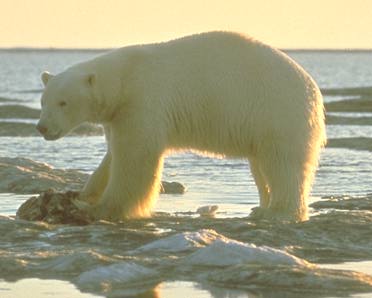


Characteristics
Bears are plantigrade with heavy bodies, robust limbs and non‑retractile claws. Their dense fur provides insulation in cold climates. Dentition and digestive anatomy reflect a spectrum from omnivory to specialized feeding: many species have teeth and gut adaptations for mixed diets, while the giant panda shows specializations for a bamboo diet. Several temperate species build fat reserves and enter a state of winter dormancy often called hibernation or torpor; physiological details vary between species.
Diet and foraging
Bears exploit diverse food sources. Most are omnivores that feed on fruits, roots, insects, carrion and vertebrate prey when available. Some species are dietary specialists: the polar bear is largely carnivorous and relies on marine mammals, the giant panda feeds mainly on bamboo, and the sloth bear often consumes insects. Foraging strategies include digging for roots and insects, fishing, scavenging and seasonal migrations to follow food availability.
Reproduction and life history
Breeding systems are generally solitary, with mating seasons concentrating reproduction in particular months in many species. Several bear species exhibit delayed implantation, in which the fertilized egg does not immediately implant in the uterus, so birth timing often coincides with periods of greater resource availability. Females typically provide extensive maternal care, raising one to a few cubs for months to years depending on species.
Behavior and sociality
Most bears are largely solitary outside of mothers with cubs and brief aggregations at rich food sources. They communicate with vocalizations, scent marking and body language. Home ranges, activity patterns and social tolerance vary by species and local conditions.
Distribution and habitat
Bears inhabit a wide range of landscapes: polar and sea-ice environments, boreal and temperate forests, mountains and tropical rainforests. Regional guides and maps provide details on population ranges and habitat needs (distribution, habitats).
Living species
- Polar bear — arctic, largely marine diet.
- Brown bear — wide Holarctic distribution, omnivorous.
- American black bear — widespread in North America, adaptable.
- Asian black bear — forested Asia, omnivorous with arboreal habits.
- Spectacled bear — Andean forests, largely herbivorous.
- Sloth bear — South Asia, insectivorous tendencies.
- Sun bear — Southeast Asian tropical forests, smallest species.
- Giant panda — China, bamboo specialist.
These species vary in conservation status and ecology; see comprehensive species accounts for details (species list).
Evolution and classification
Ursids are part of a caniform lineage of Carnivora and their fossil record shows a history of dietary and ecological diversification. Modern taxonomy draws on morphological and genetic studies to clarify relationships among species and their fossil relatives.
Human interactions and conservation
Bears have cultural significance in many societies and have been hunted or kept in captivity historically. Today, many populations face habitat loss, climate change, reduced prey or food availability, and conflict with humans. Conservation and management efforts include habitat protection, conflict mitigation, population monitoring and international cooperation; for further resources and guidance see conservation resources.
Notable facts: polar bears are adapted to marine hunting, the giant panda is a bamboo specialist, and some bears fast for extended periods during seasonal dormancy. Further reading and primary species accounts are available at the referenced distribution, habitat and species links (distribution, habitats, species list).
Related articles
Author
AlegsaOnline.com Bear (Ursidae): overview, species, biology and conservation Leandro Alegsa
URL: https://en.alegsaonline.com/art/9826
Sources
- adfg.alaska.gov : "Eyes of the Bear, Alaska Department of Fish and Game"
- bearsmart.com : "Bear's Food and Diet"
- bearsmart.com : "Bear Reproduction"
- bearconservation.org.uk : "Bear distribution map – Bear Conservation"