
Hyperaccumulator plants: species that concentrate metals in their tissues
Plants that tolerate and concentrate unusually high levels of metals in their tissues. Covers mechanisms, genetics, ecological role, notable examples and applications such as phytoremediation and phytomining.
Overview
A hyperaccumulator is a plant that can grow on soils containing unusually high concentrations of metals or metalloids and concentrate those elements in its shoots and leaves. Such species are defined by their ability to tolerate and sequester elements that are toxic to most plants at normal levels. Hyperaccumulation has been documented across many botanical lineages and in a variety of environments, from ultramafic outcrops to polluted urban soils. For a general definition see plants adapted to metal-rich substrates and the soils they occupy (soils); popular coverage has highlighted striking examples such as a nickel-rich tree in New Caledonia reported by the media (BBC) and field studies in New Caledonia where Pycnandra acuminata stores nickel in its sap (nickel).
Image gallery
10 Images

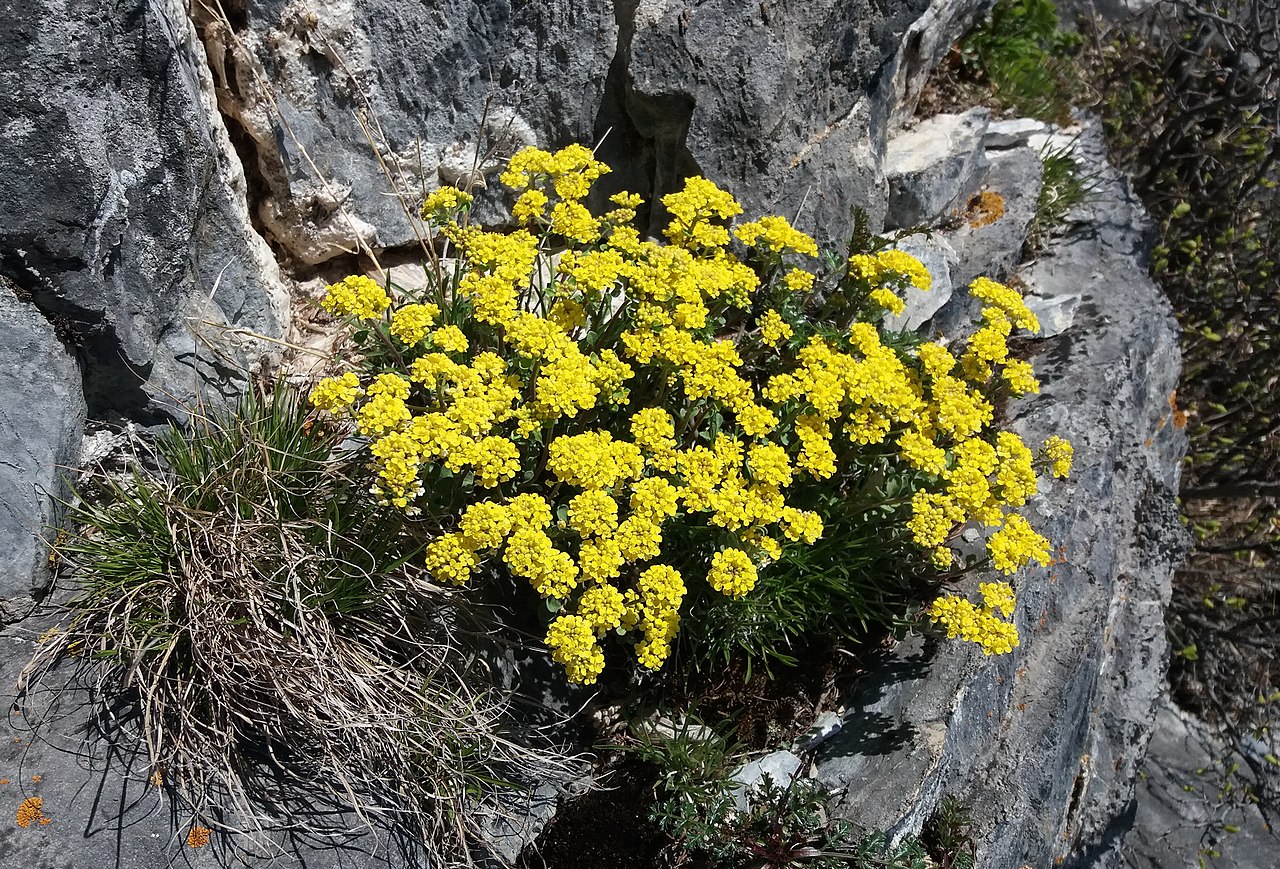



Characteristics and mechanisms
Hyperaccumulators exhibit physiological traits that allow uptake, transport and stable storage of metals without sustaining damage. Mechanisms include enhanced root uptake, xylem transport to shoots, intracellular chelation with organic acids or peptides, sequestration in vacuoles, and binding to cell walls. A suite of membrane transporters and storage proteins work together to avoid free-metal toxicity. Ecologically, high metal levels in foliage can deter herbivores and pathogens, suggesting a defensive advantage (defense against herbivory), while also imposing costs that shape where these plants occur (heavy metals).
Genetics and physiology
Multiple gene families contribute to hyperaccumulation by encoding transporters, chelators and regulatory factors. Examples include ZIP-family transporters associated with zinc movement (zinc) and other divalent cations, metal tolerance proteins, ATP-binding cassette (ABC) transporters, metallothioneins and enzymes producing chelating compounds. Genes linked to hyperaccumulation (often termed HA genes in the literature) have been reported in hundreds of species, including model taxa such as Arabidopsis and several members of the Brassicaceae. Many hyperaccumulators concentrate elements to levels hundreds to thousands of times greater than related non-accumulating species.
Common elements hyperaccumulated
- Arsenic (As)
- Cobalt (Co)
- Iron (Fe)
- Copper (Cu)
- Cadmium (Cd)
- Lead (Pb)
- Mercury (Hg)
- Selenium (Se)
- Manganese (Mn)
- Zinc (Zn)
- Molybdenum (Mo)
- Nickel (Ni)
Uses, examples and importance
Hyperaccumulators have practical and scientific value. They are studied to understand metal homeostasis and plant adaptation, and they are employed in environmental techniques such as phytoextraction and phytoremediation to remove contaminants from soil. Some species have been proposed for phytomining, where accumulated metals are harvested from plant biomass for recovery. Practical use depends on growth rate, biomass, element concentration and economic factors.
Notable facts and distinctions
Not all metal-tolerant plants are hyperaccumulators; tolerance may occur without shoot enrichment. Hyperaccumulation is defined by specific thresholds that vary by element and research community. While many hyperaccumulators are rare and specialized, the trait has evolved repeatedly across divergent plant families (plant families). Research continues to map the genetic basis and evolutionary history of the trait, and to evaluate ecological consequences and applications in remediation and sustainable metal recovery.
Further reading and resources: general introductions and databases are available through botanical and environmental science portals (plants, soils), media summaries (BBC), regional studies such as those from New Caledonia and specialized literature on elements like nickel and zinc. Major research models include Arabidopsis and the Brassicaceae lineage.
Questions and answers
Q: What is a hyperaccumulator?
A: A hyperaccumulator is a plant that can grow in soils with very high concentrations of metals.
Q: What is an example of a hyperaccumulator?
A: Pycnandra acuminata, which grows on soil rich in nickel, is an example of a hyperaccumulator featured by the BBC.
Q: How do plants benefit from metal hyperaccumulation?
A: The advantage of metal hyperaccumulation may be that the toxic levels of heavy metals in leaves deter herbivores and provide defence against herbivory.
Q: What gene family is involved in metal hyperaccumulation?
A: The ZIP gene family is usually involved in metal hyperaccumulation. These genes code for membrane receptors for the transport of, for example, zinc molecules.
Q: How many species have been found to contain HA genes?
A: Over 450 plant species have been found to contain HA genes.
Q: What metals are able to be sequestered by expression of HA genes?
A: Metals such as As, Co, Fe, Cu, Cd, Pb, Hg, Se, Mn, Zn , Mo and Ni can be sequestered by expression of HA genes at 100-1000 times the concentration found in sister species or populations.
Related articles
Author
AlegsaOnline.com Hyperaccumulator plants: species that concentrate metals in their tissues Leandro Alegsa
URL: https://en.alegsaonline.com/art/46151
Sources
- doi.org : 10.1016/j.plantsci.2010.08.016
- pubmed.ncbi.nlm.nih.gov : 21421358
- bbc.co.uk : bbc.co.uk/news/science-environment-45398434