
Humulus (hops): botanical profile, cultivation, and uses
Humulus, commonly known as hop, is a genus of climbing flowering plants grown for its female cones used in brewing, flavoring, and other applications; related to Cannabis in the Cannabaceae family.
Overview
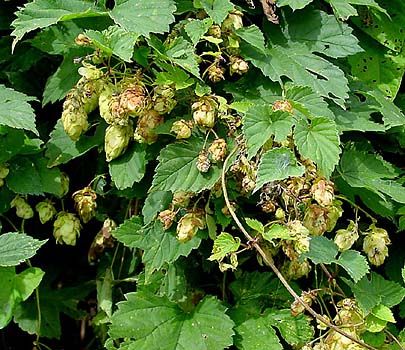
Humulus, commonly called hop, is a small genus of climbing flowering plants native chiefly to temperate regions of the Northern Hemisphere. The plants produce separate male and female flowers; the distinctive, papery female inflorescences are commonly referred to as flowering structures and, more specifically, as female flowers or cones. Hops are perennial plants with vigorous twining stems and rough leaves.
Image gallery
8 Images


Botanical characteristics
Humulus plants have opposite leaves, pinnate venation, and astringent-scented oils in glandular hairs. The female cones contain glands called lupulin that store bitter acids and aromatic oils; these compounds influence bitterness, aroma and preservation when used in brewing. The genus is placed in the Cannabaceae family, making it a botanical relative of hemp and hops share some biochemical traits with those relatives.
History and domestication
Hops have been used historically as a bittering and preservative agent in fermented beverages for many centuries. Their cultivation expanded with the development of commercial brewing, and selective breeding produced varieties with distinct aroma and bitterness profiles. Wild and cultivated forms persist, and modern breeding emphasizes disease resistance, yield and specific flavor components.
Uses and importance
Hops are best known for their central role in brewing: brewers add dried cones, pellets or extracts to wort to impart bitterness, aroma and stability to breweries and beer. Beyond brewing, hops have been used in traditional herbal remedies and as ornamental vines. Commercial processing produces several product forms, including whole cones, compressed pellets and concentrated extracts, each suited to different production methods.
Cultivation and varieties
Growers train hop bines on trellises or strings to maximize sunlight and air flow. Varieties differ in alpha-acid content, essential oil profile and growth habit; these differences determine their suitability as bittering hops, aroma hops or dual-purpose varieties. Integrated pest management and careful drying and storage are important to preserve hop quality.
Notable facts and distinctions
- Female cones, not the leaves, are the economically important part of the plant.
- Lupulin glands give hops their characteristic bittering power and volatile aromas.
- Humulus is closely related to Cannabis; the two groups share family-level traits but differ in chemistry and use.
For more general botanical information see plant profiles or resources on reproductive structures at female flower notes. Practical brewing guidance and hop selection are available through brewing reference sites and industry outlets at brewery resources and beer guides.
Related articles
Author
AlegsaOnline.com Humulus (hops): botanical profile, cultivation, and uses Leandro Alegsa
URL: https://en.alegsaonline.com/art/45722