
Gulf of Honduras
A broad Caribbean inlet off Belize, Guatemala and Honduras, the Gulf of Honduras supports coral reefs, mangroves and seagrass beds and is shaped by river runoff, currents, tourism and fisheries.
Overview
The Gulf of Honduras is a large bay of the Caribbean Sea that indents the coasts of Belize, Guatemala and Honduras. From north to south its shoreline stretches roughly from Dangriga in Belize to the vicinity of La Ceiba in Honduras, forming a broad tropical inlet whose sheltered waters and shallow shelf create distinct coastal environments.
Image gallery
5 Images

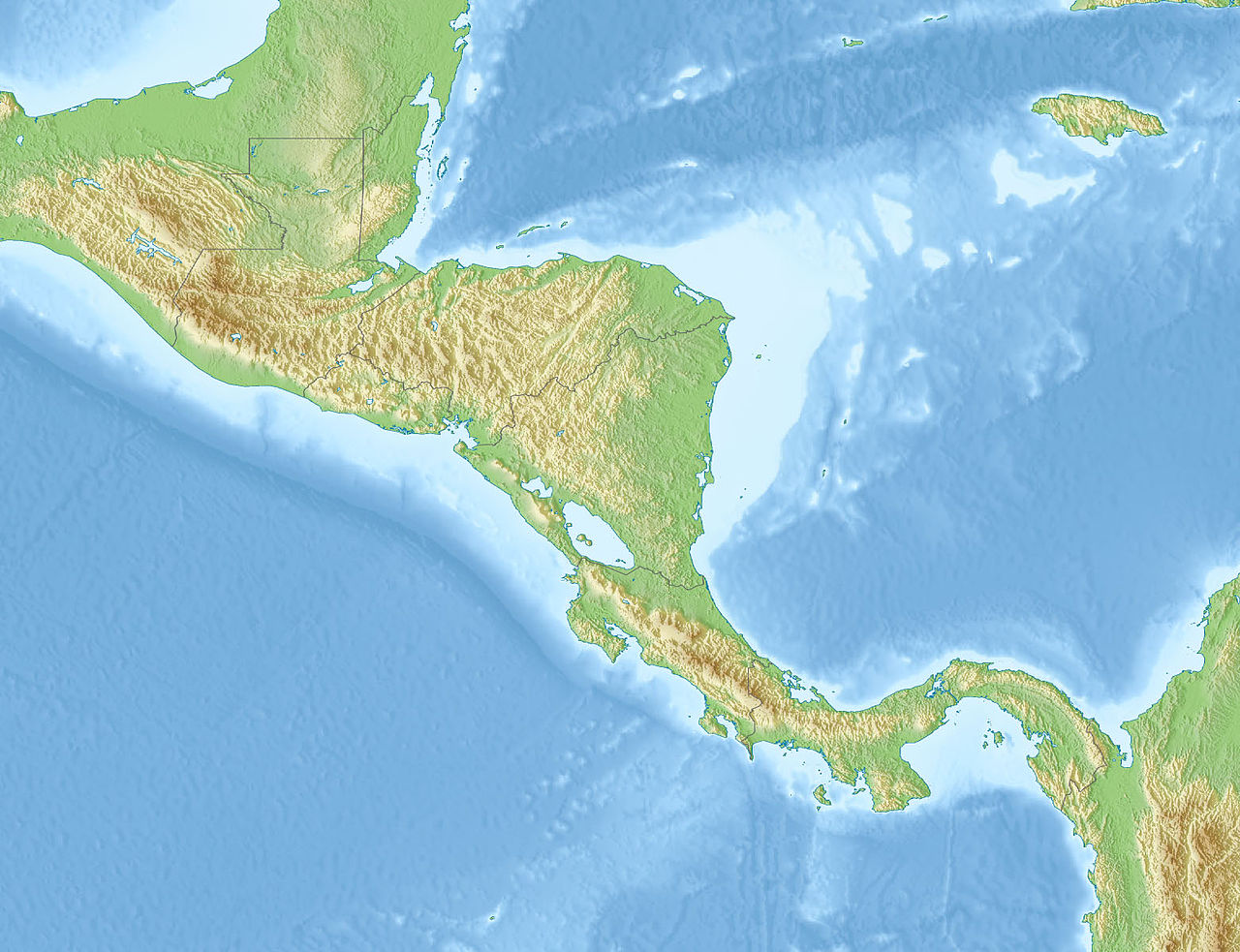


Geography and physical features
The inner part of the gulf is fringed by the Belize Barrier Reef, the southern section of the Mesoamerican Barrier Reef System. Off the Belize coast small sandy islands called cays dot the reef, including well-known tourist destinations. Tidal flows, seasonal winds and shelf currents produce a complex pattern of circulation that mixes river inputs and oceanic water across the bay.
Habitats and biodiversity
The Gulf of Honduras contains a mosaic of coastal habitats that sustain high biodiversity. These include:
- Estuaries and river mouths where freshwater and saltwater mix.
- Fringing mangrove forests that protect the shore and serve as nursery areas.
- Seagrass beds and shallow lagoons that support fish, invertebrates and migrating species.
- Coral reefs and reef flats that provide habitat for reef fish and corals.
These habitats are interdependent: lagoons and lagoons connect to reef systems, while mangroves and seagrasses trap sediments and nutrients. The gulf supports commercially and ecologically important species and acts as a corridor for regional marine life.
Rivers, sediment and water quality
Dozens of rivers drain into the gulf from the surrounding watersheds, including transboundary rivers such as the Moho, Sarstún, Río Dulce, Motagua and Ulúa. These rivers deliver freshwater, nutrients and sediment; the volume of sediment carried to the shelf has risen in many areas because of land-use changes, deforestation and runoff, a trend that can smother reefs, reduce water clarity and alter coastal ecosystems.
Human uses, tourism and fisheries
The gulf is important to coastal communities for fishing, transport and tourism. Sport and commercial fishers target species such as billfish and other pelagic fish; many American and international anglers visit to pursue blue marlin and other game species like the marlin. Visitors are drawn to island cays and reef snorkeling; tourists commonly travel to Caye Caulker and Ambergris Caye for reef experiences and boating.
History, hazards and conservation
The region has a recorded history of powerful storms; in 1961 Hurricane Hattie caused severe damage in Belize and highlighted the vulnerability of coastal settlements. Today, conservation efforts focus on protecting reef and mangrove habitats, improving watershed management to reduce sediment loads, and balancing tourism and fishing with long-term ecosystem health. Regional collaboration among the three countries remains central to sustaining the Gulf of Honduras as both a cultural and ecological resource.
Related articles
Author
AlegsaOnline.com Gulf of Honduras Leandro Alegsa
URL: https://en.alegsaonline.com/art/41373
Sources
- iho-machc.org : "Environmental Protection and Maritime Transport"
- ams.allenpress.com : "Hydrometeorology and Variability of Water Discharge and Sediment Load in the Inner Gulf of Honduras, Western Caribbean"
- doi.org : 10.1175/1525-7541(2003)004<0985:HAVOWD>2.0.CO;2
- tools.wmflabs.org : 16°09′05″N 88°15′06″W / 16.1514°N 88.2517°W / 16.1514; -88.2517