
Honduras: geography, people, history and contemporary issues
Honduras is a Central American nation on the Caribbean and Pacific coasts. This article summarizes its geography, people, history, economy, biodiversity and major social challenges.
Honduras is a country in Central America with a varied landscape of mountains, lowland plains and coastal shores. Its constitutional capital and largest urban center is Tegucigalpa. The country covers roughly 112,000 square kilometres and has a population measured in the millions; official estimates vary over time. Spanish is the dominant language, while indigenous languages and English (especially in the Bay Islands) are also spoken.
Image gallery
10 Images


Geography and environment
Honduras has a northern coastline on the Caribbean Sea and a small southern frontage on the Pacific via the Gulf of Fonseca, part of the Pacific Ocean basin. It shares land borders with Guatemala and Nicaragua, and is close to El Salvador. The interior is largely mountainous, with cloud forests, pine highlands and coastal plains that support agriculture and diverse ecosystems.
History and cultural heritage
The territory was home to pre-Columbian peoples, including Maya settlements such as the archaeological site of Copán, notable for its stelae and carved monuments. After Spanish conquest in the 16th century, Honduras became part of the colonial administration and later joined other Central American provinces in declaring independence in the early 19th century. Its culture blends indigenous, European and African influences visible in music, cuisine and festivals.
Population and languages
Most Hondurans identify as mestizo (mixed indigenous and European ancestry), alongside indigenous groups, Afro-Honduran communities (including the Garifuna) and people of European descent. Spanish is the official and most widely used language; the Garifuna language and several indigenous languages remain important locally, and English is common in tourism areas.
Economy, land use and biodiversity
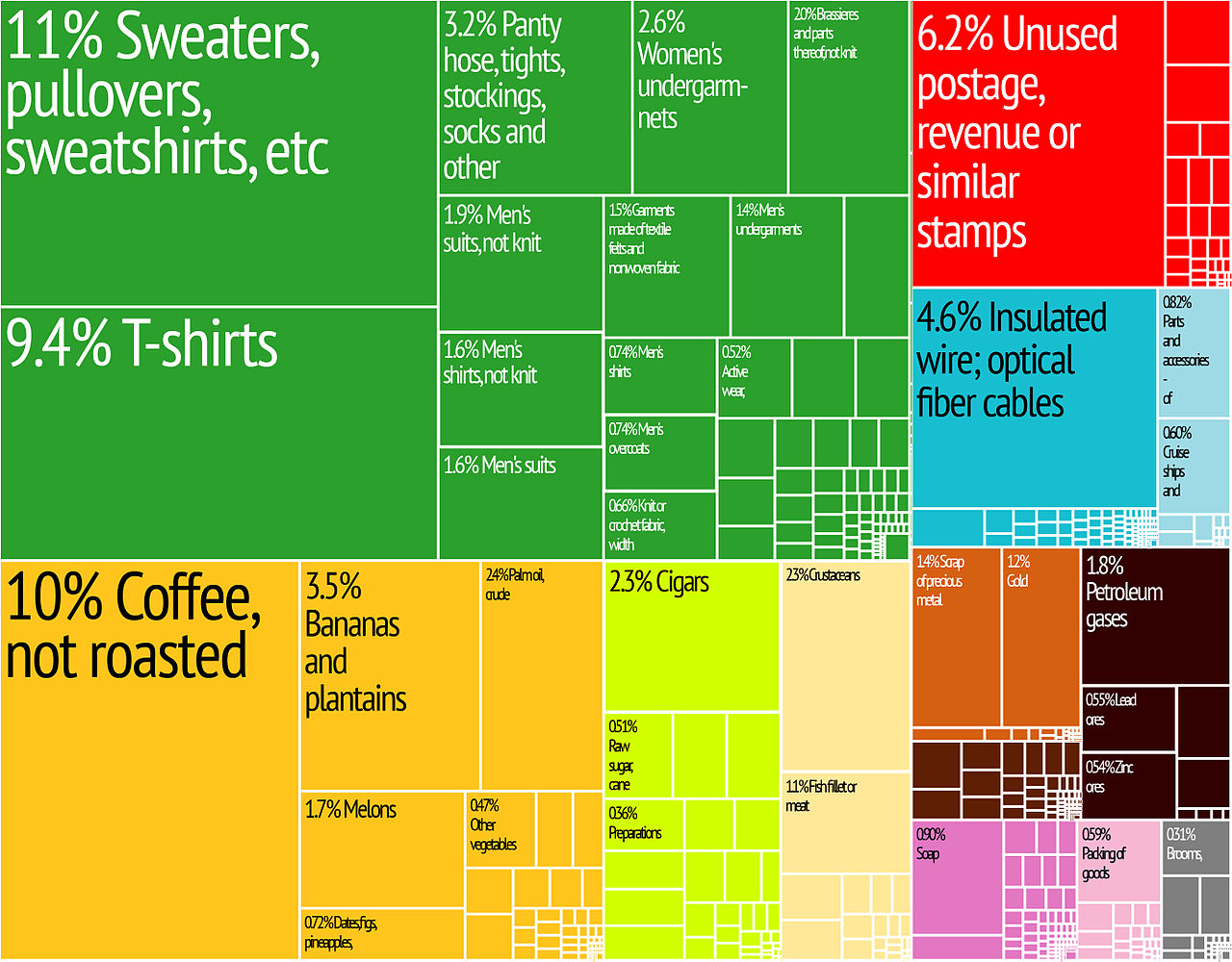
The economy relies on a mix of agriculture (notably coffee and bananas), manufacturing, services and remittances from Hondurans living abroad. Key features include:
- Export crops and smallholder farming that sustain many rural communities.
- Coastal and marine resources, including coral reefs and the Bay Islands, which attract divers and tourists.
- Forests and protected areas that harbour significant biodiversity but face pressures from logging and land conversion.
Contemporary challenges and outlook
Honduras faces social and economic challenges common to several countries in the region: poverty, unequal development, environmental degradation and migration. The country has also experienced elevated levels of violent crime and insecurity in recent decades, including internationally noted high homicide rates and related public-safety concerns; see sources on safety and crime for more detail via security reports. Despite these problems, Honduras has active conservation efforts, growing ecotourism, and cultural sites that continue to draw international interest.
For further geographic, political and travel information, follow regional overviews and country profiles via the links provided above and local government or tourism sources.
Related articles
Author
AlegsaOnline.com Honduras: geography, people, history and contemporary issues Leandro Alegsa
URL: https://en.alegsaonline.com/art/44978
Sources
- commons.wikimedia.org : Honduras
- cia.gov : Honduras
- imf.org : "Honduras"
- hdrstats.undp.org : "Human Development Report 2009 – M Economy and inequality – Gini index" · webcitation.org
- hdr.undp.org : "Human Development Report 2010"
- countrystudies.us : "Honduras - ETHNIC GROUPS"
- wikidata.org : wikidata.org/wiki/Q783
- catalogue.bnf.fr : cb118643043
- data.bnf.fr : (data)
- d-nb.info : 4025814-2
- hls-dhs-dss.ch : 003386
- isni.org : 0000 0001 2242 8161
- id.loc.gov : n79096785
- musicbrainz.org : 0c3ea915-4e49-34fc-b702-debb216fd7fa